Drying a rug correctly after pressure washing is just as important as the cleaning process itself. Proper drying prevents odors, mold, and structural damage while ensuring your rug stays fresh, hygienic, and long-lasting. This comprehensive guide covers how to dry a rug after pressure washing using expert-approved methods, professional insights, safety considerations, and Google-preferred formatting to help you achieve the best results.
Short Answer Regarding How to Dry a Rug After Pressure Washing
The fastest and safest way to dry a rug after pressure washing is to first remove as much water as possible using a squeegee or rolling method, then place the rug in an elevated position where air can circulate on all sides. Combine natural airflow with fans or sunlight (when appropriate) and flip the rug at least once to ensure full and even drying.
Why Proper Drying Matters
Preventing Mold, Mildew, and Odors
A damp rug creates the perfect environment for mold growth. Moisture trapped deep in the fibers, especially in thick or natural-fiber rugs, can lead to musty smells and potential bacterial buildup.
Protecting Rug Fibers and Backing
Excess moisture can weaken adhesives in the rug backing, cause warping, or make fibers stiff over time. Correct drying prevents breakdown of the rug’s structure.
Ensuring Long-Term Durability
Drying the right way helps your rug maintain its shape, color, and texture especially essential for wool, Oriental, handmade, and delicate rugs.
Complete Explanation of How to Dry a Rug After Pressure Washing
How Moisture Behaves in Rug Materials
Different rug materials absorb water differently. For example:
- Wool holds moisture deeply, slowing drying.
- Synthetic fibers repel water better, allowing faster evaporation.
- Shag rugs trap moisture due to dense pile height.
Understanding your rug type helps you choose the best drying strategy.
Indoor vs. Outdoor Drying Considerations
- Outdoor drying is ideal for airflow and sunlight but requires dry weather.
- Indoor drying is safer for delicate rugs but must be paired with fans and dehumidifiers to avoid stagnation.
Factors That Affect Drying Time
Several elements influence how long it takes to dry a rug after pressure washing:
- Rug thickness
- Fiber type
- Air circulation
- Humidity and climate
- Sun exposure
- Backing material
Each of these determines how aggressive or gentle your drying method should be.
Sub-Questions People Also Ask
Can I use a pressure washer on all rug types?
No. Pressure washers can be too harsh for wool, silk, hand-knotted, and antique rugs. They are better suited for synthetic, outdoor, and durable rugs.
How long does it take to dry a rug after pressure washing?
Drying typically takes 6–24 hours, depending on thickness, airflow, and weather.
Can you dry a rug indoors after pressure washing?
Yes if you use fans, a dehumidifier, and proper elevation. Never leave the rug flat on a non-ventilated surface.
Should I use heat to dry a rug faster?
Avoid high heat; it can shrink or damage fibers. Instead, use moderate airflow and natural warmth.
What happens if a rug doesn’t dry completely?
Expect mildew, foul odors, backing damage, discoloration, and even rug warping.
Can I walk on a rug while it’s drying?
You should avoid it. Walking on damp fibers compresses them and slows drying.
Step-by-Step Guide: How to Dry a Rug After Pressure Washing
Step 1 — Remove Excess Water Immediately
Use a floor squeegee, beginning in the center and pushing outward. For thick rugs, roll them tightly to squeeze out moisture. Blot stubborn wet areas with absorbent towels.
Step 2 — Lay the Rug Elevated for Airflow
Place the rug over:
- Railings
- Sawhorses
- Drying racks
- Balcony edges
Elevation ensures air circulates beneath and above the rug.
Step 3 — Maximize Air Circulation
Use:
- Box fans
- High-velocity fans
- Natural breeze from open windows
- Outdoor wind
A constant flow of air is the foundation of fast, safe drying.
Step 4 — Use Sunlight Strategically
Sunlight helps but use it wisely:
- Beneficial for synthetic and outdoor rugs
- Limited exposure for wool or natural fibers
- Avoid prolonged UV exposure to prevent fading
Step 5 — Flip the Rug Midway
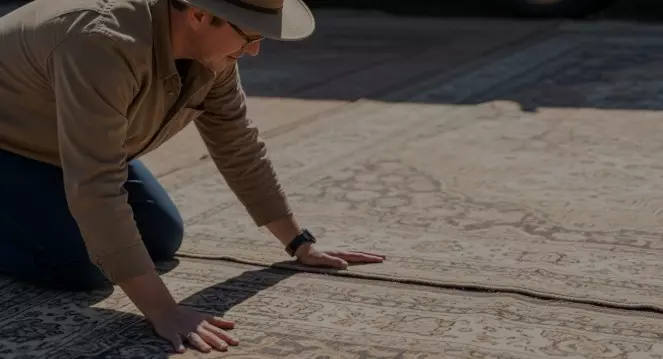
Once the top feels dry, flip the rug to allow the backing and underside to dry. This prevents trapped moisture and warping.
Step 6 — Ensure the Rug is Fully Dry Before Use
Check for:
- Coolness (still indicates moisture)
- Softness (dry fibers feel fluffy, not clumped)
- Even texture
- Completely dry backing
Only place the rug back on the floor when every layer is dry.
Comparison Table — Best Methods to Dry a Rug After Pressure Washing
| Drying Method | Best For | Pros | Cons | Precautions |
|---|---|---|---|---|
| Sun Drying | Outdoor rugs, synthetic rugs | Fast, natural drying | Can fade colors | Limit UV exposure |
| Air-Drying Indoors | Delicate or natural-fiber rugs | Controlled environment | Slower | Ensure constant airflow |
| Elevated Outdoor Drying | Large or heavy rugs | Even airflow, consistent drying | Requires outdoor space | Avoid drying in rain or high humidity |
| Fan-Assisted Drying | Any rug | Fast, effective | Needs equipment | Rotate rug for even airflow |
| Dehumidifier Drying | Indoor drying | Prevents mold, reduces moisture quickly | Limited coverage | Use in small or enclosed rooms |
Drying Different Rug Types
Wool Rugs
Dry slowly and gently. Avoid direct sun and high heat. Elevate and use fans.
Cotton Rugs
Quick-drying. Sunlight is acceptable but monitor for fading.
Synthetic Rugs
Fastest drying. Safe for sun and strong airflow.
Oriental/Handmade Rugs
Extremely delicate avoid sun, excessive pressure, and high heat. Air-dry in shade.
Shag Rugs
Dry slowly due to long fibers. Use fans underneath and above.
Outdoor Rugs
Easy to dry. Sunlight and wind are ideal.
Mistakes to Avoid When Drying a Rug After Pressure Washing
Leaving it flat on the ground
This traps moisture and creates a mildew pocket under the rug.
Using direct high heat
Heat can shrink natural fibers and damage rubber backings.
Not checking the rug backing
Backing often holds moisture longer than the surface.
Drying in humid or stagnant air
Moisture must be able to escape; otherwise the rug stays damp.
Signs Your Rug Is Not Drying Properly
Damp odor
A musty smell indicates early mold growth.
Wavy or warped backing
Moisture imbalance is causing structural shift.
Cold or heavy-feeling fibers
Cold spots indicate trapped moisture.
Uneven texture
Crunchiness or stiffness is a sign of improper drying.
How to Speed Up the Drying Process Safely
Increasing airflow
More fans = faster drying.
Combining sunlight + shade
Use sun briefly to kickstart drying, then finish in shade for safety.
Using multiple fans
Aim airflow from different angles.
Controlled indoor drying with dehumidifiers
Best for thick, heavy, or delicate rugs.
FAQs About How to Dry a Rug After Pressure Washing
How long should a rug take to dry after pressure washing?
Most rugs dry within 6–24 hours, depending on airflow and material.
Can I use a shop vac to remove water from a rug?
Yes wet/dry vacs are excellent for extracting moisture before drying.
Should I hang or lay a rug flat to dry?
Elevating the rug is best. Hanging works for thinner rugs but may distort heavy ones.
Is sunlight bad for certain rugs?
Yes sunlight can cause fading in wool, silk, and handmade rugs.
Can I pressure wash indoor rugs?
Only if they are synthetic or marked as washable. Delicate rugs should never be pressure washed.
Do thicker rugs take significantly longer to dry?
Absolutely. Dense or shag rugs can take much more time and require stronger airflow.
Is it safe to put a wet rug back indoors?
No. This encourages mold growth inside your home and damages flooring.
How do professionals dry rugs quickly?
Pros use air movers, controlled heat rooms, moisture meters, and specialized drying platforms.
Conclusion — The Right Way to Dry a Rug After Pressure Washing
Drying a rug properly is essential for maintaining its appearance, preventing odors, and extending its lifespan. By removing excess water, elevating the rug, promoting airflow, and using sunlight strategically, you can ensure a safe, effective drying process. Whether you’re caring for a delicate wool rug or a durable outdoor one, following these steps ensures your rug stays fresh, clean, and damage-free after every pressure wash. For professional help that keeps your rugs clean, safe, and perfectly maintained, trust Stegmeier Pressure Washing for expert pressure washing and drying support.