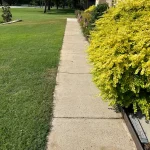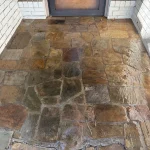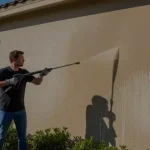
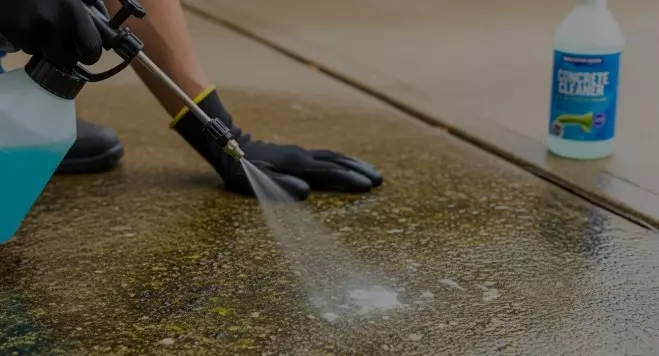
Cleaning concrete effectively starts long before you pull the trigger on a pressure washer. The real secret lies in the pre-treatment you apply to the surface. Choosing the correct solution can mean the difference between a lightly cleaned driveway and one that looks professionally restored. This guide provides the most complete, expert breakdown on what to spray on concrete before pressure washing, covering products, chemistry, scenarios, comparisons, and professional insights.
Short Answer: What to Spray on Concrete Before Pressure Washing
The best thing to spray on concrete before pressure washing is a pre-treatment solution such as a concrete detergent, degreaser, mold/mildew remover, surfactant-based cleaner, or specialty product for oil or rust. Pre-spraying is essential because it helps loosen embedded dirt, dissolve stains, and break surface tension leading to a deeper, more efficient clean with less physical effort and better final results.
Why You Should Spray a Pre-Treatment on Concrete Before Pressure Washing
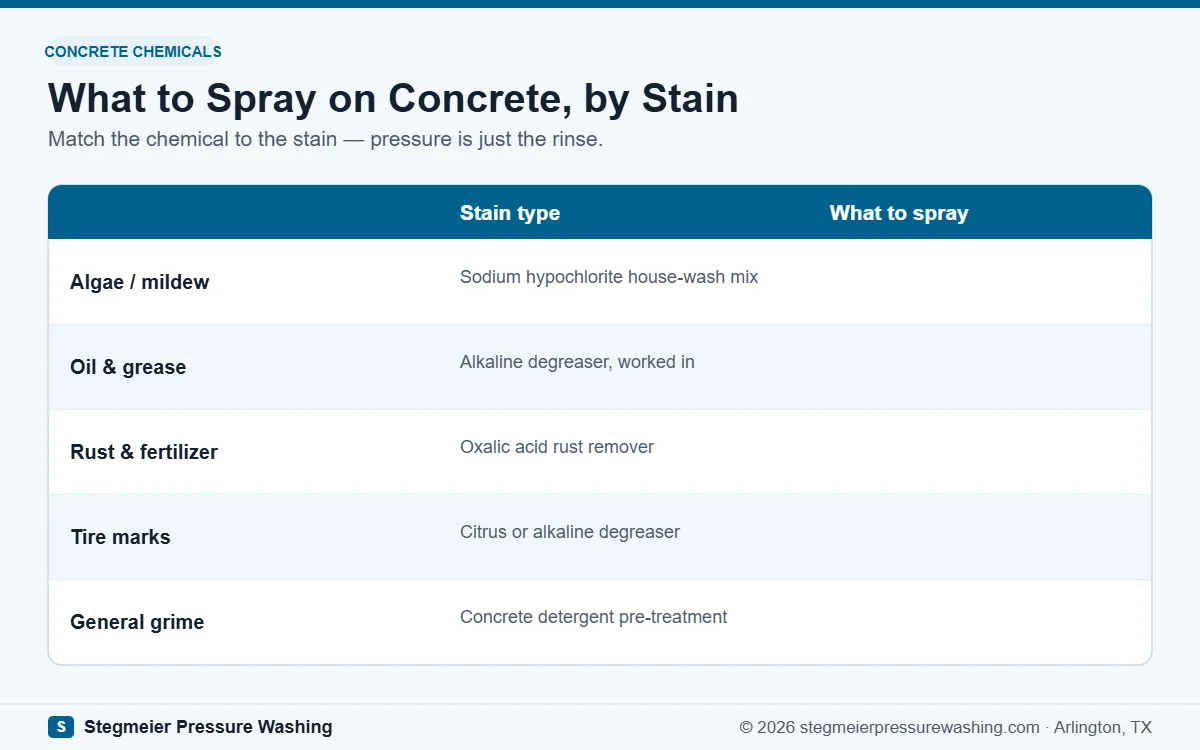
How Pre-Treatment Helps Clean Concrete More Effectively
Concrete is extremely porous, meaning dirt, oil, algae, and contaminants settle deep inside the substrate. A proper pre-spray:
- Softens and dissolves buildup
- Breaks the bond between stains and the concrete surface
- Allows water pressure to rinse away contaminants instead of merely moving them around
- Reduces the need for aggressive pressure that can etch concrete
Why Skipping Pre-Spray Leads to Poor Results
Without pre-treatment:
- Oil stains remain visible
- Mildew and algae may return quickly
- Pressure washing takes longer
- Concrete may require multiple passes
- Surface may be unevenly cleaned
When You Should Use Degreaser vs Detergent vs Specialty Cleaners
- Detergent: Light buildup and general cleaning
- Degreaser: Heavy oil, automotive leaks, garage floors
- Specialty cleaners: Rust, irrigation stains, tire scuffs, mold colonies
Best Products to Spray on Concrete Before Pressure Washing (Expert Breakdown)
Concrete Detergents (General Purpose)
A balanced, all-purpose cleaner that works for dirt, dust, and light organic material. These are safe for most surfaces and ideal for routine cleaning.
Degreasers for Oil & Automotive Stains
Use a degreaser when dealing with:
- Motor oil
- Transmission fluid
- Hydraulic stains
- Grease and lubricants
Degreasers break down petroleum molecules that pressure washers alone cannot remove.
Mold & Mildew Removers
Typically sodium hypochlorite-based, these kill spores and sanitize concrete. Ideal for humid regions or shaded driveways.
Enzymatic Cleaners for Organic Stains
Best for:
- Food spills
- Leaf stains
- Pet messes
- BBQ grease
These cleaners use enzymes to digest organic material.
Specialty Rust & Mineral Deposit Pre-Sprays
Acidic formulas designed to dissolve:
- Rust
- Battery acid stains
- Irrigation/hard water marks
Use carefully these are strong.
Eco-Friendly & Biodegradable Concrete Pre-Treatments
Best for areas with plants or strict runoff guidelines. These contain plant-safe, low-toxicity formulas.
DIY Options (Vinegar, Baking Soda, Dish Soap | When They Work & When They Don’t)
DIY works only for:
- Light dirt
- Mild mildew
- Small organic stains
Not suitable for heavy oil, deep grime, or rust.
What to Spray on Concrete Before Pressure Washing for Specific Problems
For Oil Stains
Use an alkaline degreaser with surfactants. Let it dwell 10–20 minutes.
For Rust Stains
Acidic rust removers work best. Avoid DIY methods rust bonds tightly to concrete.
For Tire Marks
Use solvent-based or alkaline cleaners designed to dissolve rubber residue.
For Mold, Mildew & Algae
Apply a mold/mildew remover with sodium hypochlorite. Let it sit until discoloration fades.
For Irrigation or Hard Water Stains
Use an acidic mineral remover.
For Food, Grease & Organic Spills
Enzymatic cleaners outperform typical detergents in these cases.
What to Spray on Concrete Before Pressure Washing for Old, Stubborn Stains
Old stains require:
- High-strength degreasers
- Acidic cleaners (for rust/irrigation marks)
- Long dwell time
- Agitation with a stiff brush
The Science Behind Concrete Pre-Treat Cleaners
Surfactants & How They Lift Stains
Surfactants lower surface tension, allowing the solution to penetrate pores and lift dirt from within.
pH Levels: Acidic vs Alkaline Cleaners
- Alkaline (High pH): Remove grease, oils, organic stains
- Acidic (Low pH): Remove minerals, rust, contaminants
Why Dwell Time Is Critical for Results
The cleaner must remain on the surface long enough to chemically break down what you intend to remove. Too little dwell time = weak results.
Step-by-Step Guide: What to Spray on Concrete Before Pressure Washing
Step 1 — Identify the Type of Stain
Evaluate whether you’re dealing with oil, mildew, rust, or general grime.
Step 2 — Choose the Correct Pre-Treatment Solution
Use:
- Detergents for general dirt
- Degreasers for oil
- Mold removers for algae
- Acidic cleaners for rust
Step 3 — Apply the Pre-Spray Evenly
Use a pump sprayer or downstream injector for larger surfaces.
Step 4 — Let the Cleaner Dwell
Typical dwell times:
- Detergents: 5–10 minutes
- Degreasers: 10–20 minutes
- Mold removers: 10–15 minutes
- Acidic cleaners: 5–10 minutes
Step 5 — Agitate (When Necessary)
Stubborn stains benefit from brushing to increase penetration.
Step 6 — Rinse or Pressure Wash Properly
Use appropriate PSI:
- 2,500–3,200 PSI for driveways
- 1,500–2,000 PSI for delicate concrete
Step 7 — Post-Wash Treatment
Optional steps:
- Apply sealers
- Repeat cleaning for heavy buildup
- Apply a post-treatment to prevent regrowth
Comparison Table: What to Spray on Concrete Before Pressure Washing
| Type of Pre-Spray | Best For | Strength | Cost | Safe for Plants? | Dwell Time | Pros | Cons |
|---|---|---|---|---|---|---|---|
| Concrete Detergent | General cleaning | Medium | Low | Yes | 5–10 mins | Versatile | Not strong for oil |
| Degreaser | Oil/grease | High | Medium | Often No | 10–20 mins | Powerful | Can harm grass |
| Mold/Mildew Remover | Organic growth | High | Medium | Sometimes | 10–15 mins | Kills spores | Needs thorough rinsing |
| Enzymatic Cleaner | Organic stains | Medium | High | Yes | 20–60 mins | Natural | Slow acting |
| Acidic Cleaner | Rust/mineral stains | Very High | Medium | No | 5–10 mins | Instant results | Corrosive |
| DIY Mixes | Light dirt | Low | Very Low | Yes | 10–20 mins | Affordable | Weak cleaning power |
People Also Ask (PAA) Subtopics
Do you need to spray soap before pressure washing concrete?
Yes soap or detergent dramatically increases cleaning effectiveness.
Can you pressure wash concrete with just water?
Yes, but results will be limited, especially on oil or mildew.
What is the strongest concrete cleaner?
Acid-based rust and mineral removers are the most aggressive.
Is bleach good to spray on concrete before pressure washing?
Bleach works for mold/mildew but not for oil or rust.
Can vinegar damage concrete?
Prolonged exposure can degrade the surface. Avoid using vinegar on large areas.
What should you not spray on concrete?
Avoid pure acids, undiluted bleach, and solvents unless specifically designed for concrete.
Safety & Environmental Guidelines
Plant & Landscaping Protection
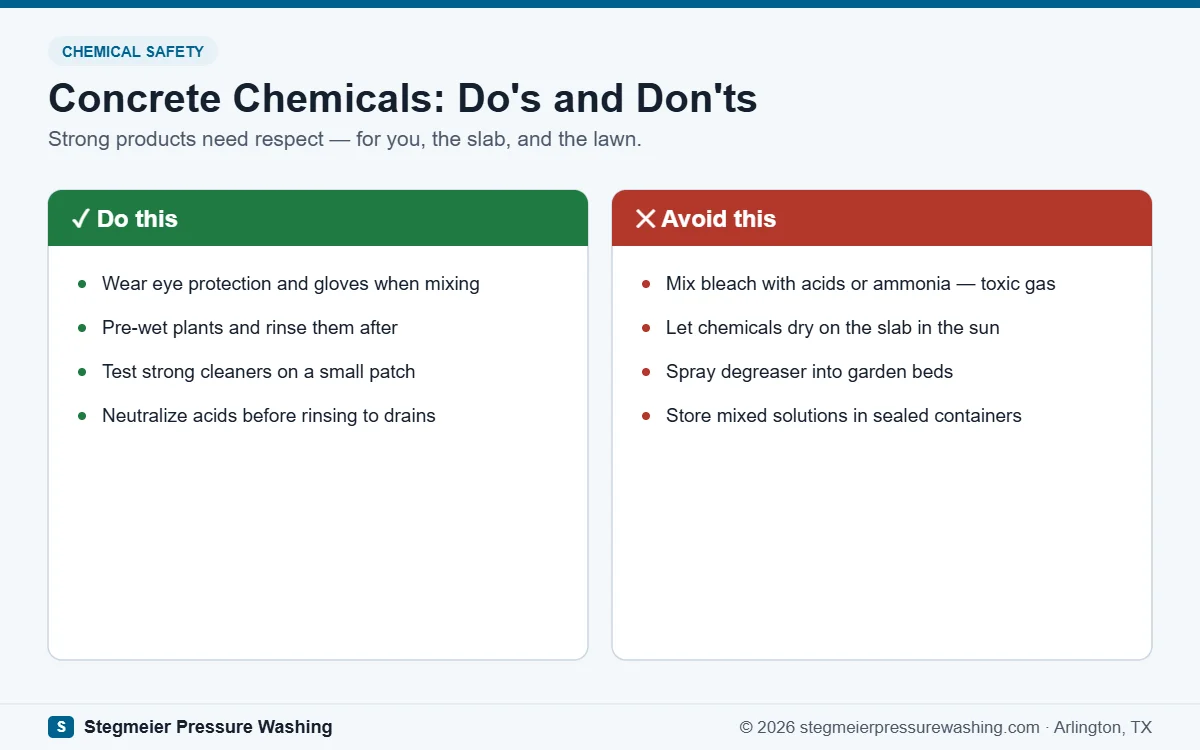
Pre-wet plants and cover them when using harsh chemicals.
Chemical Handling and PPE
Wear gloves, goggles, and non-slip shoes. Follow all label instructions.
Avoiding Surface Damage
Do not use overly strong chemicals on stamped, sealed, or decorative concrete.
Local Runoff Regulations to Consider
Some cities require environmentally safe cleaners to avoid contaminating storm drains.
Professional vs DIY: Who Should Use Which Pre-Spray?
When DIY Pre-Spray Is Good Enough
For light dirt, mildew, or small stains, DIY methods and general detergents work fine.
When You Need Professional-Grade Detergents
Choose commercial products for:
- Oil
- Engine leaks
- Rust
- Deep organic stains
Cost Comparison: DIY vs Professional Cleaner
DIY: $5–$15
Professional-grade: $20–$50
Commercial contractor: $150–$400
Results Comparison
Professionals consistently achieve deeper, longer-lasting results due to specialized chemicals and equipment.
What to Spray on Concrete Before Pressure Washing (Full Expert List + Usage Guide)
The top recommended products include:
- Concrete detergents
- Alkaline degreasers
- Mold/mildew removers
- Enzymatic cleaners
- Acidic rust removers
- Eco-friendly green cleaners
- DIY mixes for light dirt
FAQs
What is the best chemical to spray on concrete before pressure washing?
A degreaser for oil, an acidic cleaner for rust, and a detergent for general dirt.
Do you need a degreaser before pressure washing driveways?
If there are oil stains, absolutely pressure alone cannot remove petroleum.
What is the safest pre-treat for concrete around plants?
Biodegradable, plant-safe detergents or enzyme cleaners.
Can bleach be used as a pre-wash for concrete?
Yes, for mold/mildew but avoid using it regularly and never on sealed surfaces.
How long should pre-spray dwell before washing?
Typically 5–20 minutes depending on the product.
Will pre-treat solutions damage sealed or stamped concrete?
Some may. Always test a small area first.
What is the best pre-spray for old concrete stains?
A commercial-grade degreaser or acidic cleaner combined with agitation.
Do professionals always pre-treat concrete?
Yes pre-treatment is standard practice for achieving top-tier results.
For background on how concrete surfaces break down, see Concrete in Practice 2: Scaling Concrete Surfaces from the National Ready Mixed Concrete Association.
Conclusion
Knowing what to spray on concrete before pressure washing is the key to restoring concrete quickly and effectively. Pre-treatments like detergents, degreasers, mold removers, and specialty cleaners make pressure washing significantly more efficient and ensure deeper, longer-lasting results. Match the product to the stain type, follow proper dwell times, and always prioritize safety and environmental care. For professional-grade results without the hassle, trust Stegmeier Pressure Washing
to handle all your concrete cleaning needs experienced, reliable, and guaranteed to leave your surfaces spotless.
Stained driveway? Our driveway and concrete cleaning in Arlington, TX uses surface cleaners for an even, stripe-free finish, and we also offer rust stain removal. Book a free estimate or try our pressure washing cost calculator.