Paint protects your home’s exterior from weather, insects, and moisture. In Arlington’s climate, exterior surfaces face intense sun, humidity, and temperature swings. These conditions gradually break down paint and shorten its functional life.
Regular house washing removes contaminants that accelerate paint deterioration. Knowing how cleaning preserves your paint helps you make informed decisions about home maintenance. This protection saves money by delaying costly repainting projects.
Contaminants That Damage Paint
Dirt and dust coat exterior surfaces over time. These particles act like sandpaper when wind blows them across painted siding. The constant abrasion wears away the paint’s protective layer and exposes underlying material to damage.
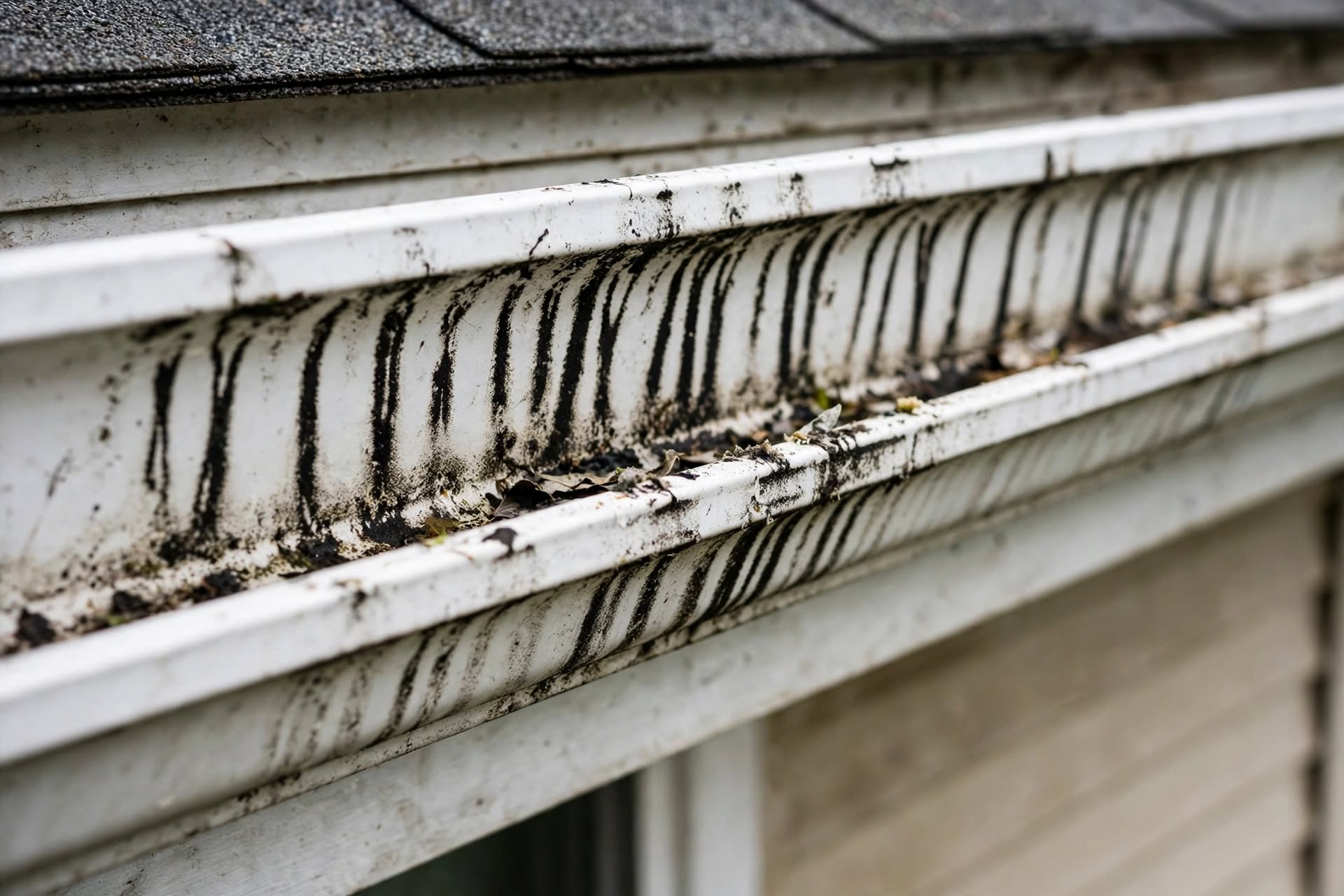
Mold and mildew grow on painted surfaces in humid conditions. These organisms feed on paint and organic materials, breaking down the chemical bonds that hold paint together. Dark streaks on siding indicate active mold growth that damages paint from within.
Pollen coats homes during spring months in thick layers. This fine powder holds moisture against painted surfaces. The prolonged contact softens paint and makes it more susceptible to weathering and biological growth.
Algae grows on north-facing walls and shaded areas. This green coating traps moisture and creates conditions for paint failure. Algae also produces acids that break down paint and substrate materials over time.
Bird droppings contain uric acid that etches paint quickly. Fresh droppings cause damage within days if not removed. Old droppings become harder to remove and leave permanent staining or pitting on painted surfaces.
How Buildup Accelerates Paint Failure
Layers of grime create a barrier that traps moisture against painted surfaces. This constant dampness prevents proper drying and promotes paint bubbling and peeling. Moisture trapped under paint films causes adhesion failure between paint and substrate.
Biological growth holds water like a sponge. Even small amounts of mold or algae can keep paint surfaces damp for extended periods. This moisture exposure leads to premature paint breakdown and wood rot beneath the paint.
Dirt accumulation changes how surfaces absorb and reflect heat. Dark, dirty surfaces absorb more solar radiation and reach higher temperatures than clean ones. Excessive heat cycles cause paint to expand and contract more, leading to cracking and flaking.
Chemical pollutants in dirt and grime react with paint components. Auto exhaust, industrial emissions, and other airborne chemicals slowly degrade paint binders and pigments. This chemical attack weakens paint structure even when the surface appears intact.
Paint Protection Through Regular Cleaning
Removing surface contaminants before they cause damage preserves paint integrity. Regular washing stops destructive processes before they advance to visible paint failure. This preventive approach costs less than dealing with deteriorated paint.
Cleaning maintains paint’s water-shedding properties. Fresh paint repels water effectively, but dirt and grime reduce this protection. Clean paint surfaces shed rain and morning dew quickly, preventing moisture-related problems.
Washing reveals minor paint issues before they become major failures. Small cracks, chips, or areas of poor adhesion show clearly on clean surfaces. Early detection allows spot repairs that prevent widespread paint failure.
Clean paint reflects light and heat as designed. Manufacturers formulate exterior paint to handle specific environmental conditions. Dirt and contamination interfere with these protective properties and reduce paint performance.
Proper Washing Techniques Protect Paint
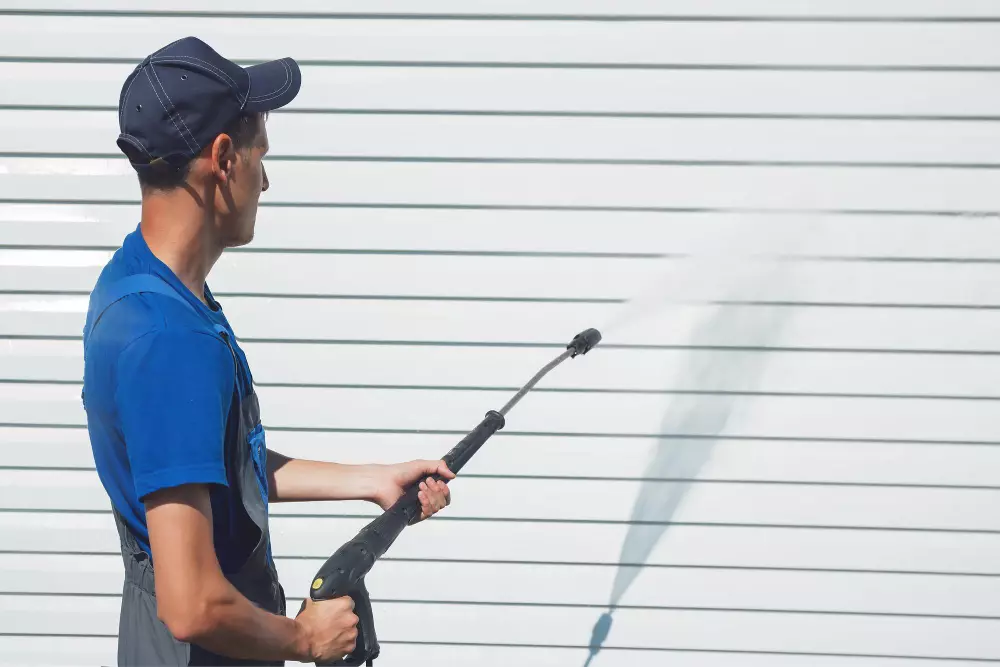
Low-pressure washing removes dirt without damaging paint films. High pressure can strip paint or force water behind siding. Gentle cleaning protects paint while still achieving thorough contamination removal.
Appropriate cleaning solutions break down grime without harming paint chemistry. Harsh chemicals can soften or discolor paint. Products designed for painted surfaces clean effectively while preserving paint bonds.
Washing from bottom to top prevents streaking and ensures complete coverage. This method controls cleaning solution application and prevents dried residue lines. Thorough rinsing removes all traces of cleaner and loosened dirt.
Soft-bristle brushing helps with stubborn contamination. Light scrubbing action assists cleaning solutions without abrading paint. This mechanical help removes material that water pressure alone cannot dislodge.
Timing Considerations for Paint Protection
Washing in moderate temperatures protects paint and improves cleaning. Extreme heat or cold affects both paint surfaces and cleaning product performance. Spring and fall provide ideal conditions for exterior cleaning.
Avoiding direct sun during washing prevents rapid drying of cleaning solutions. Products that dry on surfaces leave residue and streaks. Working in shade or during early morning hours allows proper dwell time.
Cleaning before paint shows obvious failure signs prevents damage progression. Waiting until paint peels or bubbles means damage has already occurred. Proactive washing stops problems at the contamination stage.
Seasonal timing matters for different types of buildup. Pollen accumulation peaks in spring and needs prompt removal. Mold and mildew grow most actively in late summer and fall humidity.
Areas That Need Special Attention
North-facing walls receive less direct sun and stay damp longer. These surfaces develop mold and algae more quickly than south-facing walls. Extra attention to shaded areas prevents biological growth establishment.
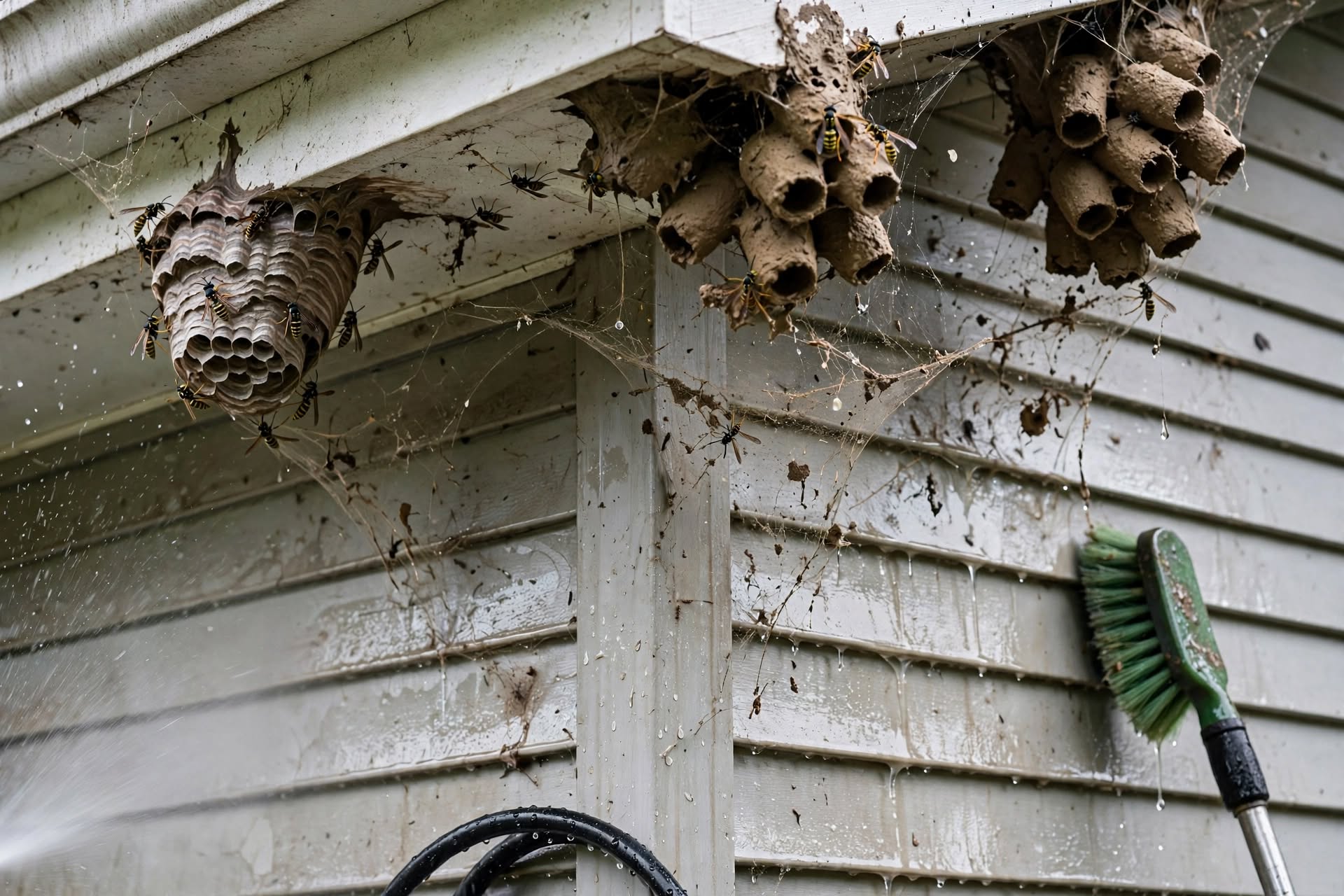
Soffits and overhangs collect cobwebs, wasp nests, and staining. These horizontal and sheltered surfaces trap moisture and debris. Regular cleaning prevents insect damage and water staining.
Windows and trim accumulate grime faster than main wall surfaces. These areas have more edges and detail where dirt collects. Clean trim improves overall appearance and prevents contamination from spreading.
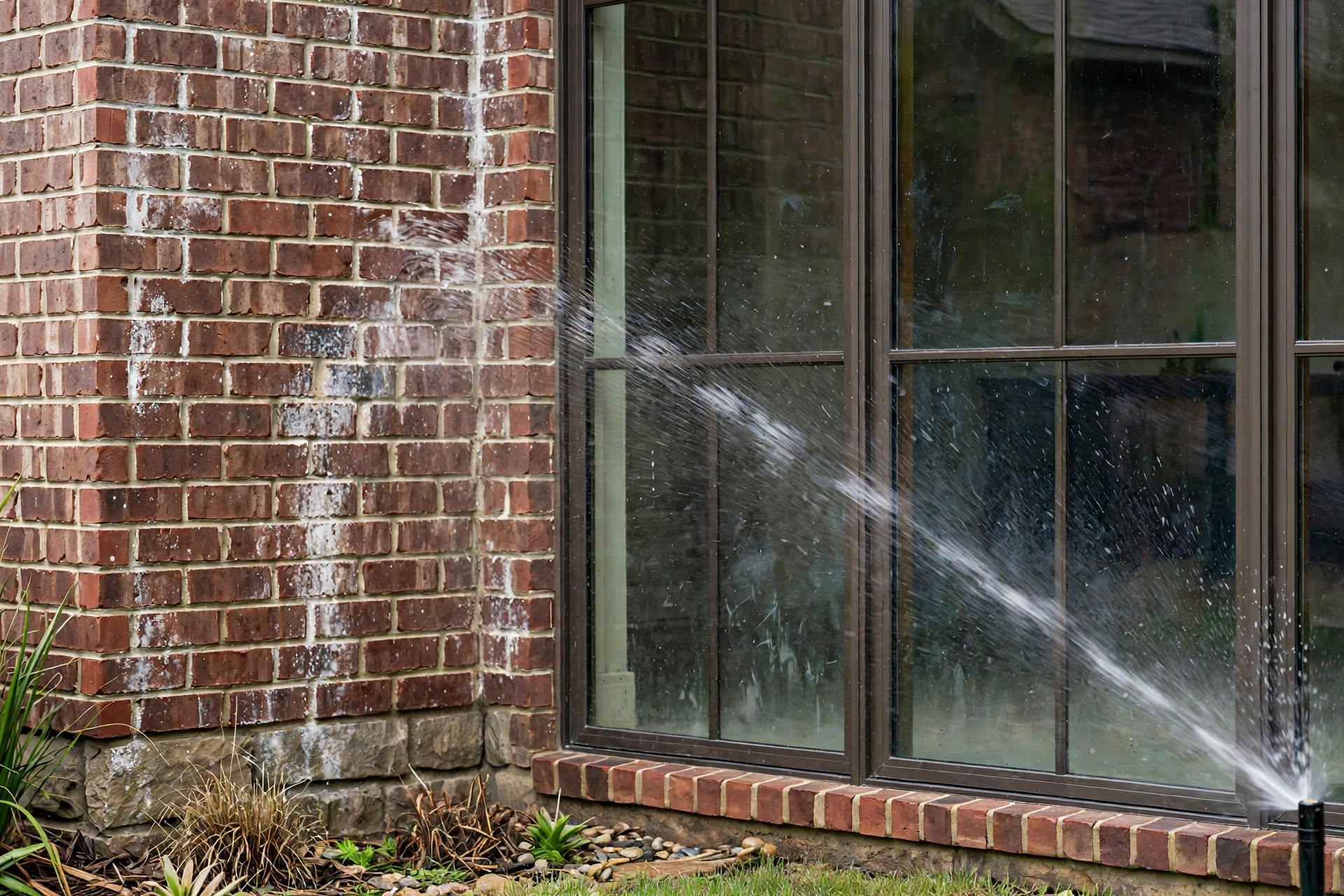
Foundation areas near soil level face splash-back from rain and irrigation. This brings soil, mulch, and fertilizer into contact with painted surfaces. Washing foundation walls removes these materials before they cause staining.
Signs Your Paint Needs Immediate Cleaning
Visible black or green streaks indicate active biological growth. These organisms feed on paint and cause ongoing damage. Immediate cleaning stops the deterioration process.
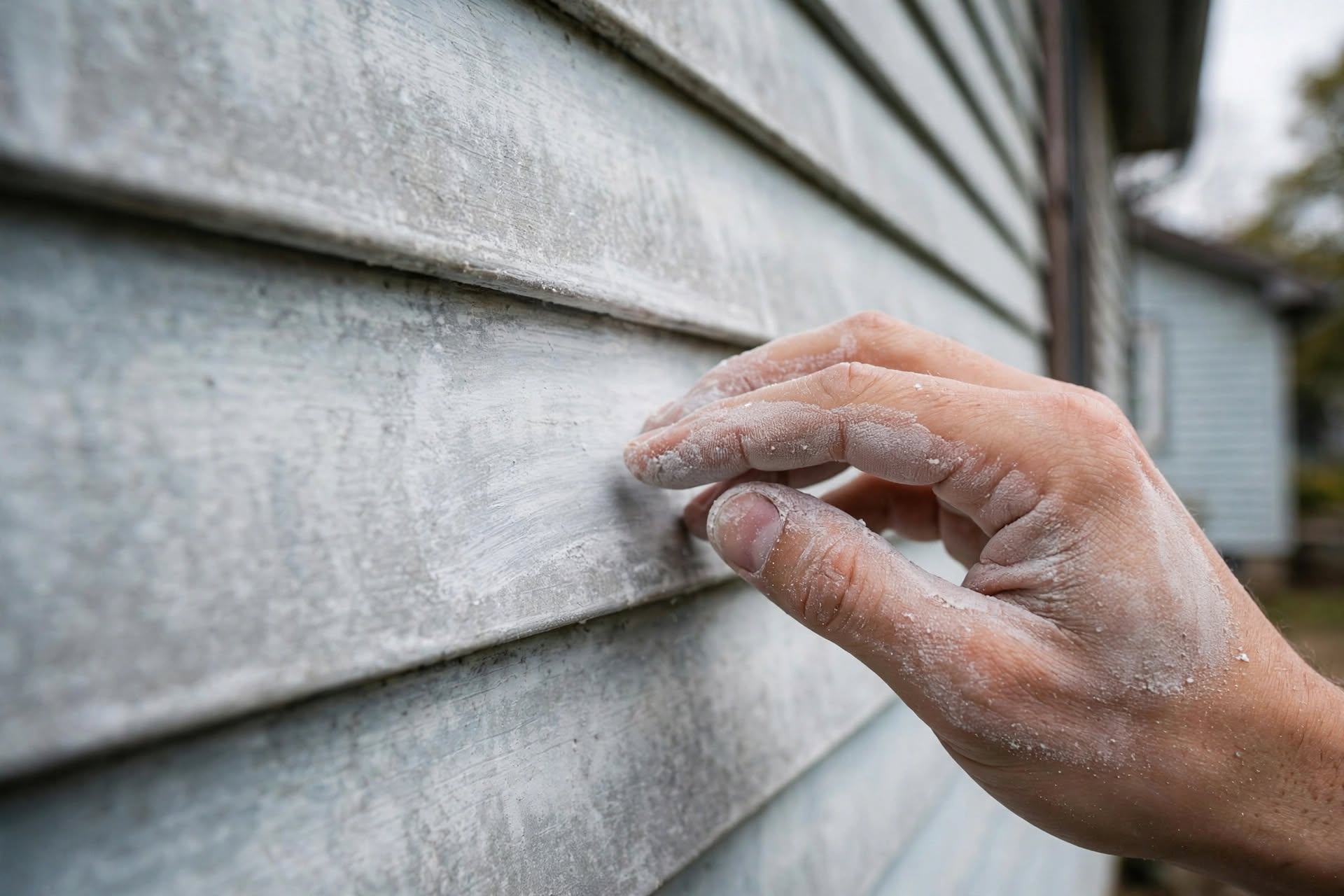
Chalking paint leaves white residue on hands when touched. This powdering indicates the paint surface is breaking down. Cleaning removes loose material and allows assessment of remaining paint integrity.
Color fading in localized areas shows where dirt has accelerated paint breakdown. Clean surfaces retain color better than contaminated ones. Washing can restore appearance if the fade is from dirt rather than paint failure.
Water staining from gutters, fixtures, or irrigation creates dark runs on siding. These stains hold moisture and promote paint problems. Prompt cleaning prevents permanent discoloration.
Long-Term Benefits of Regular Washing
Extending paint life by just a few years provides significant savings. Repainting a house costs thousands of dollars in materials and labor. Regular washing costs far less than frequent repainting.
Clean homes maintain better curb appeal between paint jobs. First impressions matter for property value and neighborhood pride. Regular washing keeps homes looking fresh and well-maintained.
Preventing paint failure protects underlying materials. Paint serves as the first defense against moisture and pests. Maintaining this barrier prevents more serious structural problems.
Documentation of regular maintenance supports warranty claims on paint products. Many paint warranties require proper care. Records of routine cleaning demonstrate responsible homeownership.
Professional Service Advantages
Experience with different siding materials prevents damage. Vinyl, wood, brick, and stucco each need specific approaches. Proper technique for each material protects both paint and substrate.
Commercial-grade equipment provides consistent pressure and coverage. Professional systems maintain steady water flow and pressure. This consistency produces better results than consumer-grade equipment.
Knowledge of proper cleaning solutions for various situations ensures effectiveness. Different contaminants need different treatments. Using correct products removes buildup without harming painted surfaces.
Efficiency of trained crews saves time and produces uniform results. Large homes can take days to clean thoroughly without experience. Professional teams complete jobs faster while maintaining quality.
DIY Limitations to Consider
Reaching high areas safely requires proper equipment. Ladders pose fall risks, and ground-level equipment may not reach second stories. Safety concerns make professional service attractive for tall homes.
Identifying paint problems requires experience. Knowing when cleaning will help versus when repainting is needed saves wasted effort. Professional assessment provides accurate recommendations.
Water intrusion risks increase with improper techniques. Forcing water behind siding or into vents causes damage. Knowledge of building envelope details prevents moisture problems.
Time commitment for thorough house washing exceeds most homeowners’ expectations. Proper cleaning takes hours or days depending on home size and condition. This time investment competes with other priorities.
Maintenance Schedule Recommendations
Annual washing serves as a baseline for most Arlington homes. Local conditions may require more frequent attention. Homes near construction, busy roads, or under large trees need cleaning more often.
Post-storm washing removes debris and prevents staining. Severe weather brings extra dirt, pollen, and organic matter. Prompt cleaning after major weather events prevents accelerated paint damage.
Pre-painting preparation includes thorough washing. Clean surfaces allow better paint adhesion and longer-lasting results. Skipping this step reduces the lifespan of new paint jobs.
Seasonal assessments identify developing problems early. Walking around your home each season reveals changes in condition. Early intervention prevents minor issues from becoming major failures.
Protecting your paint investment requires regular attention. House washing stands as one of the most cost-effective maintenance tasks homeowners can perform. Clean paint lasts longer, looks better, and protects your home more effectively than contaminated surfaces. Making washing part of your routine maintenance plan preserves your Arlington home’s appearance and value while delaying expensive repainting projects.