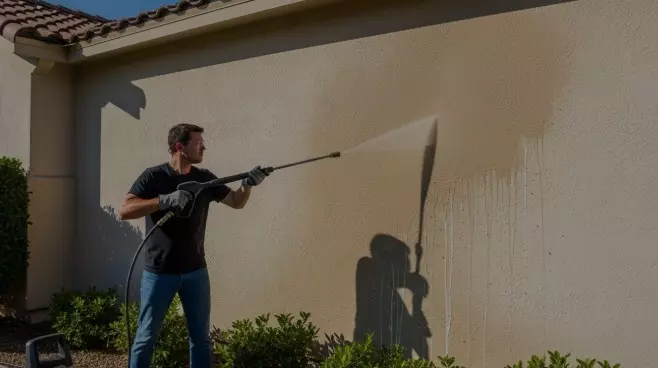
Stucco is a popular exterior finish, prized for its durability, aesthetic appeal, and ability to withstand the elements. But when it comes to cleaning, many homeowners wonder: can you pressure wash stucco? The short answer is yes but with caution. Using too much pressure or the wrong technique can damage this delicate surface, leading to cracks, water intrusion, or paint removal. This guide will provide a comprehensive, step-by-step explanation, along with safe alternatives and expert tips to keep your stucco looking pristine.
Short Answer: Can You Pressure Wash Stucco?
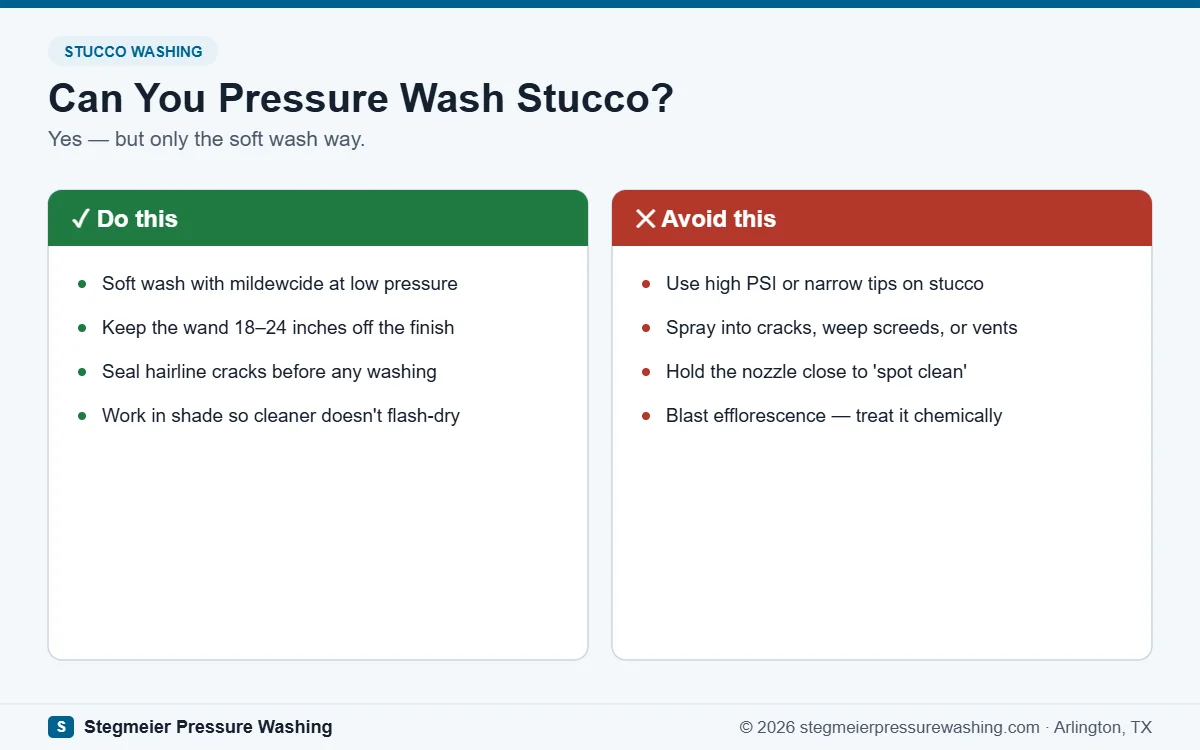
Yes, you can pressure wash stucco, but it requires careful attention to pressure settings, nozzle selection, and distance from the wall. Stucco is porous and prone to damage from high-pressure water streams, so improper technique can result in costly repairs.
Safety Notes:
- Avoid using PSI above 1500 for standard stucco.
- Never hold the nozzle too close, 3–5 feet is ideal.
- Test a small area before cleaning the entire surface.
Alternatives to Pressure Washing:
If you’re unsure about using a pressure washer, soft washing or gentle manual scrubbing with detergents can effectively remove dirt, mildew, and algae without risking structural damage.
Understanding Stucco and Its Sensitivity
What Is Stucco Made Of?
Stucco can vary in composition, which affects how it should be cleaned:
- Traditional Stucco: Made of cement, sand, and lime. Durable but porous.
- Synthetic Stucco (EIFS): Contains acrylics and polymer coatings. More flexible but sensitive to high-pressure water.
The material impacts both durability and the safest cleaning method. Understanding your stucco type is the first step in avoiding damage.
Why Stucco Can Be Damaged by Pressure Washing
Stucco’s porous surface makes it vulnerable to:
- Cracking: High-pressure streams can chip or fracture the finish.
- Water Intrusion: Pressure can force water behind the stucco, causing mold and rot.
- Paint Removal: Older paint can peel or flake under aggressive washing.
Common Mistakes Homeowners Make:
- Using too high PSI.
- Holding the nozzle too close to the wall.
- Cleaning in small, random patches instead of systematically.
Can You Pressure Wash Stucco Safely?
Best Practices for Pressure Washing Stucco
To pressure wash stucco safely, follow these expert guidelines:
- PSI: Keep the pressure between 1000–1500 PSI. Lower PSI is safer for older or delicate stucco.
- Nozzle Selection: Use a fan tip with a 25–40° spray angle to disperse water evenly.
- Distance: Maintain 3–5 feet from the wall to prevent direct force on the surface.
- Test Spot: Always start with a small, inconspicuous area.
Alternative Cleaning Methods
When pressure washing is too risky, consider these safer options:
- Soft Washing: Low-pressure water combined with specialized detergents can remove algae, mold, and dirt safely.
- Manual Scrubbing: Use a soft-bristle brush and mild cleaning solution for smaller stains.
- Chemical Cleaners: Stucco-safe cleaners can dissolve stains without abrasive water pressure.
Step-by-Step Guide: How to Pressure Wash Stucco
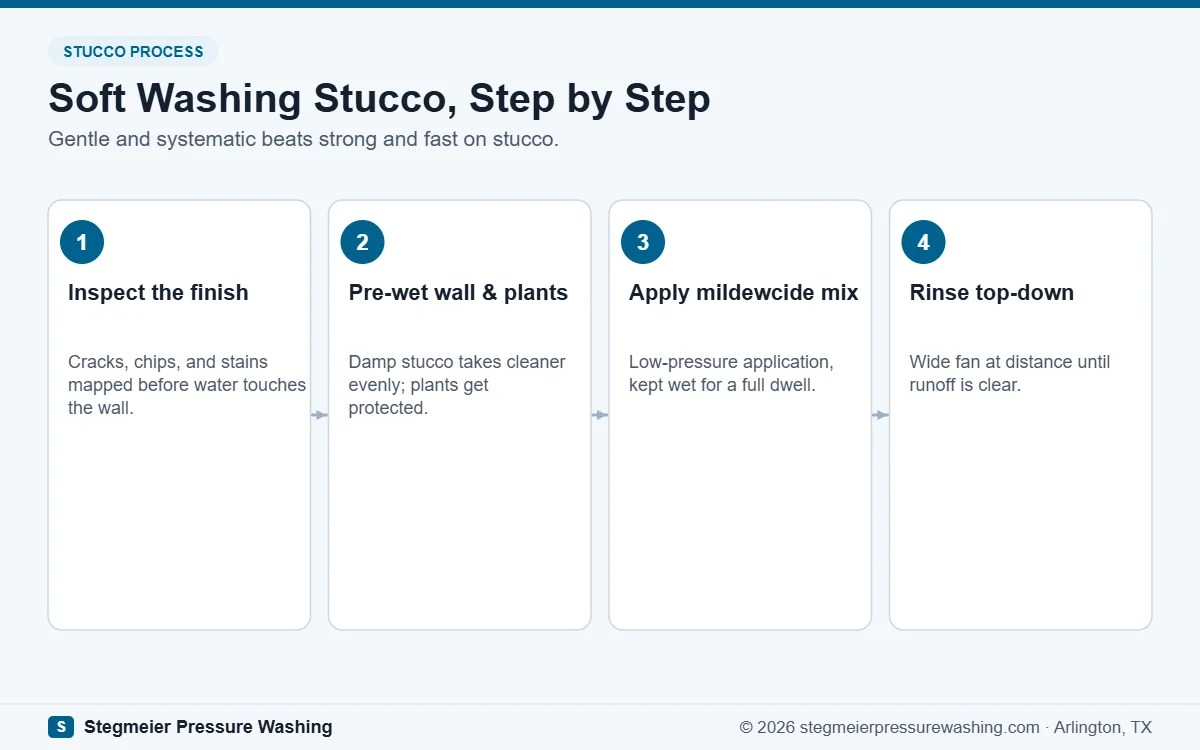
- Inspect Stucco: Check for cracks, holes, or weakened areas that could worsen under pressure.
- Protect Surroundings: Cover plants, outdoor furniture, and fixtures with tarps to prevent damage.
- Pre-Treat Stains: Apply an appropriate cleaning solution to stubborn dirt or mildew spots.
- Adjust Pressure Washer: Set PSI to 1000–1500 and attach a fan tip nozzle.
- Test in a Small Area: Begin with a hidden section to gauge the effect of pressure.
- Clean Systematically: Work from top to bottom in consistent, overlapping strokes to avoid streaks.
- Rinse Thoroughly: Ensure all cleaning solution and loosened dirt are washed away.
- Inspect and Touch Up: After drying, check for damage and repair any chips or cracks.
| Cleaning Method | Safety for Stucco | Effectiveness | Cost | Time Required | Best Use Case |
|---|---|---|---|---|---|
| Pressure Washing | Medium–Low | High | Medium | Fast | Light dirt, mildew |
| Soft Washing | High | Medium–High | Low–Medium | Moderate | Mold, algae, delicate surfaces |
| Manual Scrubbing | Very High | Medium | Low | Slow | Small stains, touch-ups |
| Chemical Cleaning | High | High | Medium | Moderate | Deep stains, tough buildup |
This table helps homeowners choose the right cleaning method based on safety, cost, and effectiveness.
Related: How to clean stucco without damaging it · Soft washing in DFW
FAQs About Pressure Washing Stucco
- Can pressure washing damage stucco?
Yes, using too high PSI or improper technique can crack or chip stucco surfaces. - What PSI is safe for stucco?
Most standard stucco surfaces can safely handle 1000–1500 PSI. Synthetic stucco may require lower pressure. - Can I use a pressure washer on painted stucco?
Yes, but low PSI is recommended to avoid peeling or flaking paint. - How often should stucco be cleaned?
Generally, every 2–3 years, but more frequent cleaning may be needed in damp or shaded areas. - Is soft washing better than pressure washing stucco?
Soft washing is safer for delicate surfaces and effective against mold, mildew, and algae. - Can DIY pressure washing ruin my warranty?
Yes, some manufacturer warranties may be voided if improper cleaning methods are used. Always check your stucco warranty. - What cleaning solutions are safe for stucco?
Mild detergents, oxygen-based bleach, or stucco-specific cleaning products are safe. Avoid harsh acids or abrasive chemicals. - How to repair stucco if pressure washing causes damage?
Minor cracks can be patched with stucco repair compound; larger damage may require professional intervention.
Stucco manufacturers publish their own cleaning guidance; for an example, see the stucco care and maintenance bulletin from Omega Products International.
Conclusion
So, can you pressure wash stucco? The answer is yes—but extreme caution is essential. High-pressure water can clean effectively, but if misused, it can damage your walls and lead to costly repairs. Soft washing and manual cleaning are safer alternatives, especially for older or delicate stucco surfaces.
To maintain your stucco:
- Always test a small area first.
- Use appropriate PSI and nozzles.
- Regularly inspect and clean your exterior to prevent buildup.
By following these expert guidelines, you can keep your stucco walls clean, safe, and looking like new for years to come. For more information and help Stegmeier Pressure Washing.