Your roof is one of the largest investments in your home, and keeping it clean extends its lifespan significantly. Many homeowners assume that blasting away dirt and algae with high pressure is the most effective cleaning method. This misconception leads to damaged shingles, voided warranties, and expensive repairs that proper cleaning methods would have prevented.
The Soft-Wash Method
Soft washing uses low-pressure water combined with specialized cleaning solutions to remove organic growth from roof surfaces. The pressure used in soft washing is about the same as a garden hose, typically around 100 PSI or less. This gentle approach relies on chemistry rather than force to eliminate algae, moss, lichens, and bacteria.
The cleaning solution does the heavy lifting in soft washing. Professional-grade products break down organic matter at the root level, killing spores and preventing regrowth for extended periods. After the solution dwells on the surface for the appropriate time, a gentle rinse removes the dead organic matter along with dirt and debris.
This method works with your roof’s design rather than against it. Shingles are manufactured to shed water through gravity and their overlapping structure. They were never designed to withstand the force of high-pressure water being driven upward and underneath their protective layers.
The Damage High Pressure Causes
Pressure washing typically operates between 1,500 and 4,000 PSI. This force is necessary for cleaning concrete driveways and stripping paint, but it’s far too aggressive for roofing materials. The high-pressure stream strips away the protective granules bonded to asphalt shingles, exposing the underlying mat to UV damage and weathering.
These granules aren’t just decorative. They protect the asphalt layer from sun damage, provide fire resistance, and give shingles their rated lifespan. Once removed, they don’t regenerate. A roof that loses significant granule coverage ages faster and fails sooner, often requiring replacement years before its expected lifespan.
High-pressure water also forces moisture underneath shingles, saturating the roof deck and insulation below. This trapped moisture leads to wood rot, mold growth in your attic, and any leaks into living spaces. The water can also damage the adhesive strips that seal shingles together, making them susceptible to wind damage.
Many roofing manufacturers explicitly void warranties if high-pressure washing is used. This means you could be responsible for the full cost of premature roof failure simply because the wrong cleaning method was employed. Always check your warranty terms before allowing any cleaning service on your roof.
Why Algae & Moss Removal Matters
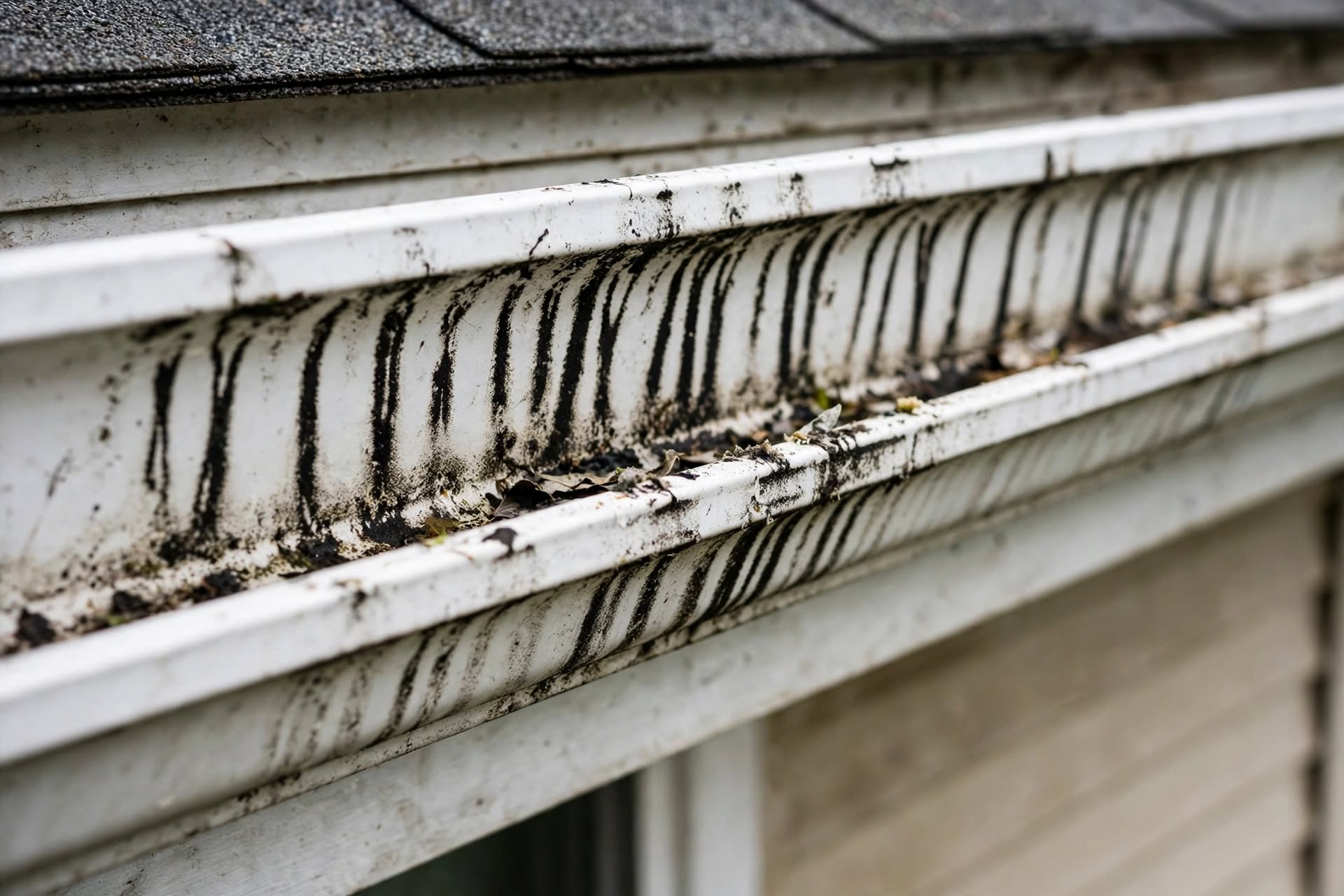
Those dark streaks on your roof aren’t just cosmetic issues. The black staining comes from Gloeocapsa magma, a type of algae that feeds on the limestone filler in asphalt shingles. As the algae colony grows, it literally consumes your roofing material, accelerating deterioration.
Moss growth presents even more serious problems. Moss roots burrow under shingle edges, lifting them and creating pathways for water infiltration. During winter, moss holds moisture that freezes and expands, further separating shingles from the roof deck. Areas with moss growth often develop leaks long before the rest of the roof shows signs of aging.
Beyond structural concerns, biological growth reduces your roof’s reflectivity. Dark algae stains absorb more heat, increasing your attic temperature and forcing your air conditioning system to work harder. Studies have shown that algae-covered roofs can increase cooling costs by up to 15% during summer months.
Long-Term Protection & Prevention
Soft washing doesn’t just clean your roof; it provides lasting protection against regrowth. The cleaning solutions used in professional soft washing include components that inhibit future biological growth. While high-pressure washing might remove visible growth temporarily, it does nothing to prevent spores from recolonizing the surface.
Most professionally soft-washed roofs stay cleaner for two to five years, depending on environmental conditions. Homes surrounded by trees or in humid climates may need more frequent service, but the protection still outlasts what pressure washing provides. This extended clean period means fewer cleanings over your roof’s lifetime, reducing both cost and wear.
The gentle nature of soft washing also means you can clean your roof more frequently without causing damage. This allows homeowners to maintain their roof’s appearance and functionality without the anxiety that comes with aggressive cleaning methods.
Impact on Different Roofing Materials
Asphalt shingles aren’t the only roofing material that benefits from soft washing. Tile roofs, either clay or concrete, can crack or break under high pressure. The force can also damage the underlayment and create pathways for water to reach the roof deck.
Cedar shake roofs are particularly vulnerable to pressure damage. The high-pressure stream can splinter the wood, remove natural oils, and accelerate weathering. Soft washing preserves the wood’s integrity while removing the organic growth that typically plagues cedar roofs.
Metal roofs seem durable enough to handle pressure washing, but the force can damage protective coatings and paint finishes. It can also drive water into seams and fastener holes, creating rust and leak problems. Soft washing cleans metal roofs without compromising their protective finishes.
Professional Application Makes the Difference
Effective soft washing requires more than just lower pressure and cleaning solution. Professionals understand proper dilution ratios, dwell times, and application techniques for different roof types and levels of contamination. They also know which areas need extra attention and how to protect landscaping from runoff.
Safety is another consideration. Roof work is dangerous, and professionals have the training and equipment to work safely at heights. They use proper fall protection, understand roof walking techniques, and know how to identify areas where the roof structure may be compromised.
Professional services also carry insurance to protect homeowners from liability. If someone is injured during a DIY roof cleaning attempt, your homeowner’s insurance may not cover the claim. Professional services eliminate this risk while ensuring the job is done correctly.
Environmental & Property Considerations
The solutions used in professional soft washing are typically biodegradable and safe for surrounding vegetation when properly applied. Professionals pre-wet plants, use containment methods, and rinse thoroughly to protect your landscaping. They also understand local regulations regarding runoff and disposal.
High-pressure washing, by contrast, relies purely on force and often requires more water. It can damage plants through physical force and can drive contaminants deeper into porous surfaces rather than eliminating them. The aggressive nature of pressure washing also increases the risk of property damage to siding, windows, and outdoor fixtures.
Your roof deserves cleaning methods that remove contamination without causing damage. Soft washing provides thorough cleaning that extends your roof’s life, maintains warranty coverage, and keeps your home looking great for years between services. The initial cost of proper soft washing pays for itself many times over by preventing premature roof replacement and avoiding damage from inappropriate cleaning methods.