Your driveway takes a beating from vehicles, weather, and everyday use. Over time, oil stains, mold, and dirt accumulate on the surface. Many homeowners in Arlington attempt to clean their driveways but make mistakes that can damage the concrete or deliver poor results.
Knowing what not to do can save you time, money, and frustration. This guide covers the most common driveway cleaning errors and how to avoid them.
Using Too Much Pressure on Concrete Surfaces
High-pressure settings can etch and damage concrete driveways. When water hits concrete at excessive force, it strips away the top layer and creates pitting. This roughens the surface and makes it more prone to staining in the future.
Concrete driveways need appropriate pressure levels based on their age and condition. Older concrete requires lower pressure than newer installations. The goal is to remove dirt and stains without harming the surface beneath.
Many rental pressure washers come with limited pressure control options. This makes it difficult to adjust the force for different areas of your driveway. Some sections may need gentler treatment than others, especially near edges or areas with existing cracks.
Neglecting to Pre-Treat Stains
Oil and grease stains will not come out with water pressure alone. These substances bond to concrete and require chemical treatment before washing. Skipping this step means you will spend more time and effort with minimal results.
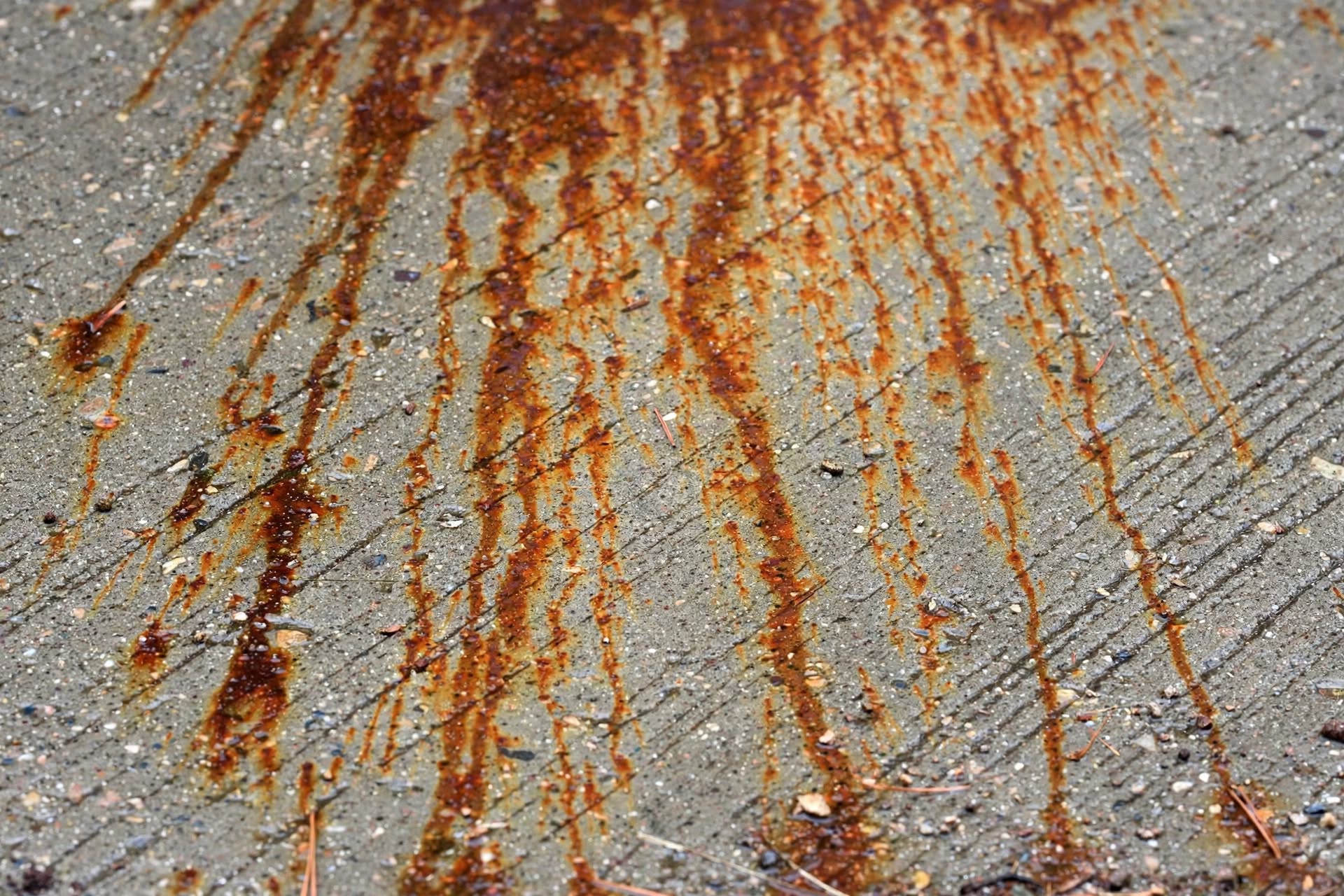
Different stains need different treatments. Rust stains require acid-based solutions, while organic stains respond better to alkaline cleaners. Using the wrong product can set the stain deeper into the concrete.
Pre-treatment products need time to work. Applying cleaner and immediately washing it off will not give the chemicals time to break down the stains. Most degreasers need 10 to 15 minutes of dwell time to penetrate and lift oil from concrete pores.
Starting Without Clearing Debris First
Blowing or sweeping your driveway before washing prevents debris from scratching the surface. Loose rocks, branches, and other materials can become projectiles under high pressure. These objects can damage your concrete, siding, windows, or vehicles.
Standing water also needs removal before you begin. Puddles dilute cleaning solutions and make it harder to see which areas need more attention. They also extend drying time after you finish washing.
Plants and grass near your driveway need protection from cleaning chemicals. Some products can burn vegetation or alter soil pH. Wetting down plants before you start and rinsing them thoroughly after protects your landscaping.
Keeping the Nozzle Too Close to the Surface
Maintaining proper distance from concrete prevents etching and damage. Most cleaning requires keeping the nozzle 6 to 12 inches from the surface. Moving closer might seem like it would clean better, but it concentrates the water force too much.
The spray pattern changes based on nozzle distance. Too close creates a small, intense spot that damages concrete. The right distance creates a wider pattern that cleans evenly without harm.
Consistent distance throughout the cleaning process produces even results. Moving the nozzle closer in some areas and farther in others creates uneven cleaning patterns. Your driveway will have clean spots mixed with areas that still look dirty.
Using Incorrect Nozzle Angles
Nozzle tips come in different angles for different purposes. A zero-degree nozzle concentrates all the water into a single point and should never be used on driveways. This tip can cut through concrete and create permanent damage.
A 15-degree nozzle works for tough stains but requires careful handling. The 25-degree nozzle provides good cleaning power with less risk of damage. A 40-degree nozzle offers gentle cleaning for delicate areas.
Matching the nozzle to the task improves results and prevents damage. Starting with a wider angle and moving to a narrower one if needed is safer than starting too aggressive. You can always increase pressure but cannot undo damage from too much force.
Washing in Direct Sunlight
Hot concrete and direct sun cause cleaning solutions to dry too quickly. When cleaners evaporate before you rinse them, they leave residue and streaks. This residue can attract more dirt and make your driveway look worse than before you started.
Early morning or late afternoon provides the best conditions for driveway cleaning. Temperatures are cooler and the sun is less intense. This gives you more working time and helps products perform as intended.
Cloud cover also creates good cleaning conditions. The shade keeps surfaces cooler and prevents rapid evaporation. You can work at a comfortable pace without rushing to rinse before products dry.
Overlapping Passes Inconsistently
Even cleaning requires systematic passes across the entire driveway. Random spraying leaves streaks and missed spots. Planning your path before you start ensures you cover all areas thoroughly.
Overlapping each pass by a few inches prevents stripes. Gaps between passes leave dirty lines that stand out once the driveway dries. Consistent overlap creates a uniform appearance across the whole surface.
Working in sections makes large driveways more manageable. Complete one area before moving to the next. This approach helps you maintain consistent pressure and overlap throughout the job.
Ignoring Drainage Considerations
Water needs somewhere to go during cleaning. Washing toward your garage or foundation can cause water intrusion problems. Always direct water toward street drains or yard areas that can handle runoff.
Cleaning solutions and contaminants wash off your driveway during the process. This runoff contains oil, chemicals, and other pollutants. Some municipalities have regulations about where this water can go.
Slope and grade affect how water moves during cleaning. Knowing your driveway’s drainage pattern helps you work with gravity instead of against it. Starting at the high end and working down makes the job easier and more effective.
Rushing Through the Rinsing Process
Thorough rinsing removes all traces of cleaning products and loosened dirt. Inadequate rinsing leaves residue that attracts new dirt quickly. Your driveway may look clean initially but will get dirty again within days.
Cleaning products left on concrete can cause discoloration over time. Some chemicals react with minerals in concrete and create stains. Complete rinsing prevents these reactions and protects your investment.
Rinsing takes as much time as the initial cleaning. Plan for this in your schedule. Trying to rush through rinsing wastes all the effort you put into the earlier steps.
Forgetting About Safety Equipment
Pressure washers create significant spray and mist. Safety glasses protect your eyes from debris and chemicals. One piece of flying grit can cause serious eye injury.
Slip-resistant footwear prevents falls on wet concrete. Pressure washer kickback can knock you off balance. Good traction keeps you stable while you work.
Hearing protection reduces noise exposure during extended cleaning sessions. Pressure washers produce sound levels that can damage hearing over time. Protecting your ears now prevents problems later.
Attempting Repairs During Cleaning
Finding cracks and damage during cleaning is common. Trying to repair these issues while the concrete is wet leads to poor results. Repairs need clean, dry surfaces to bond correctly.
Document any damage you find during cleaning for later repair. Taking photos helps you remember locations and extent of problems. Address these issues after everything dries completely.
Some stains indicate underlying problems that cleaning will not fix. Efflorescence, spalling, and other concrete issues need different solutions than surface cleaning. Knowing when to clean and when to repair prevents wasted effort.
Proper driveway cleaning protects your investment and maintains your home’s appearance. Avoiding these common mistakes ensures good results without damage. Taking time to do the job right pays off in both immediate appearance and long-term concrete health.