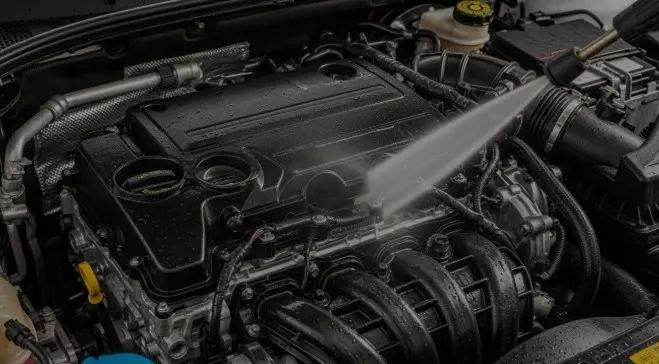
Keeping your engine clean is often overlooked, yet it plays a crucial role in the longevity and performance of your vehicle. Many car owners wonder: can I pressure wash my engine? The answer is yes, but it comes with important precautions. In this guide, we’ll dive deep into safe techniques, the benefits of engine cleaning, risks, and alternative methods, ensuring you have all the information you need to make an informed choice.
Short Answer: Can I Pressure Wash My Engine?
Yes, you can pressure wash your engine, but it must be done carefully to prevent damage. Engines today contain delicate electrical components, sensors, and wiring that are sensitive to water and high-pressure sprays. Improper washing can lead to short circuits, corrosion, or voiding your vehicle’s warranty.
Key precautions include:
- Covering sensitive electronics and air intake with plastic bags
- Using low-pressure settings on your washer
- Applying engine-safe degreasers rather than harsh chemicals
- Allowing the engine to cool before cleaning
In short, pressure washing is safest for gasoline or diesel engines with minimal electronic components. For vehicles with advanced electronics, alternative cleaning methods may be safer.
Understanding Engine Cleaning
Why Cleaning Your Engine Matters
A clean engine isn’t just about aesthetics. Here’s why engine cleaning is important:
- Prevents corrosion: Grease and grime attract moisture, which can corrode metal parts.
- Detects leaks early: A dirty engine can hide oil, coolant, or fuel leaks that may worsen over time.
- Improves performance: A clean engine allows heat to dissipate properly, helping it run efficiently.
- Easier maintenance: Mechanics can access components more easily, reducing labor costs.
Signs your engine needs cleaning:
- Visible oil or grease buildup
- Unusual odors (burning oil smell)
- Excessive dirt on belts, hoses, or fans
Risks of Pressure Washing an Engine
Pressure washing can be effective but carries risks:
- Water damage to electrical components: Sensors, ignition coils, and the ECU are sensitive to water exposure.
- Short-circuits: High-pressure water can force moisture into connectors and wires.
- Removal of protective coatings: Some engines have factory-applied coatings that prevent rust; pressure washing can strip these off.
Understanding these risks helps you decide whether DIY pressure washing is the right choice.
Step-by-Step Guide: How to Pressure Wash Your Engine Safely
Here’s a detailed, safe approach to pressure washing your engine:
Step 1: Gather Tools and Safety Equipment
- Pressure washer with adjustable pressure
- Engine-safe degreaser
- Plastic bags or waterproof covers for electronics
- Microfiber towels and brushes
Step 2: Prepare the Engine
- Allow the engine to cool completely
- Cover sensitive areas like the battery, fuse box, air intake, and exposed sensors with plastic
- Disconnect the battery if you’re unsure about exposure
Step 3: Apply Engine-Safe Degreaser
- Spray degreaser generously on greasy areas
- Let it sit 5–10 minutes to break down grime
- Avoid harsh chemicals that could damage paint or plastic
Step 4: Low-Pressure Rinse Techniques
- Use a wide spray tip and low-pressure setting
- Keep the nozzle at least 12–18 inches away from engine components
- Rinse carefully to remove degreaser and dirt without forcing water into connectors
Step 5: Drying Methods
- Use compressed air to blow water out of tight spaces
- Wipe surfaces with microfiber towels
- Remove plastic covers and allow the engine to air dry
Step 6: Post-Wash Inspection
- Check for leaks, disconnected wires, or any water in connectors
- Reconnect the battery
- Start the engine and listen for unusual sounds
Comparison of Engine Cleaning Methods
| Method | Pros | Cons | Best For |
|---|---|---|---|
| Pressure Washing | Fast, removes heavy grime | Risk to electronics, requires precautions | Gasoline/diesel engines, minimal electronics exposure |
| Steam Cleaning | Gentle on electronics, sanitizes | Slower, may require professional | Sensitive engines with lots of electronics |
| Hand Cleaning / Degreaser + Brush | Most controlled, safe | Labor-intensive, slower | All engines, especially classic cars |
| Chemical Degreaser Spray Only | Easy, no water needed | Might not remove heavy grime | Light cleaning, routine maintenance |
This table helps you weigh the pros and cons of each method to choose the safest and most effective option for your engine.
People Also Ask
- Is it safe to pressure wash an engine while it’s hot?
- Can water in the engine cause damage?
- How often should I clean my engine?
- Can pressure washing void my car warranty?
- What’s the difference between pressure washing and steam cleaning an engine?
Frequently Asked Questions
1. Can I pressure wash an engine with electronics?
Yes, but take extra precautions: cover sensitive components, use low pressure, and avoid direct sprays on electronics.
2. Do I need to disconnect the battery before washing?
It’s recommended, especially for modern vehicles with complex electronic systems.
3. What pressure setting is safe for engine cleaning?
Use the lowest pressure setting possible and keep the nozzle at least 12–18 inches away.
4. Can pressure washing remove grease completely?
It removes most surface grease, but stubborn buildup may require degreaser and brushes.
5. Are there eco-friendly degreasers for engine cleaning?
Yes, many biodegradable degreasers are effective and safer for the environment.
6. How long should I wait after washing before starting the engine?
Wait until the engine is fully dry, usually 30–60 minutes, or use compressed air to speed up drying.
7. Can pressure washing help improve engine performance?
Indirectly, yes — a clean engine runs cooler and leaks are easier to spot, preventing long-term damage.
8. Is it cheaper to clean the engine myself or hire a professional?
DIY is cheaper but riskier; professionals provide safe, thorough cleaning with proper equipment.
Conclusion: Can I Pressure Wash My Engine?
Pressure washing your engine can be a safe and effective way to maintain performance and detect issues early if done correctly. Always follow safety precautions: cool engine, cover electronics, use low-pressure settings, and engine-safe degreasers.
For engines with extensive electronics, consider alternatives like steam cleaning or hand degreasing. Ultimately, weigh the pros and cons, and choose the method that fits your vehicle type, skill level, and maintenance goals. A clean engine is not just aesthetically pleasing, it’s a step toward longevity, efficiency, and optimal performance. For more information and help visit Stegmeier Pressure Washing.