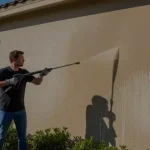
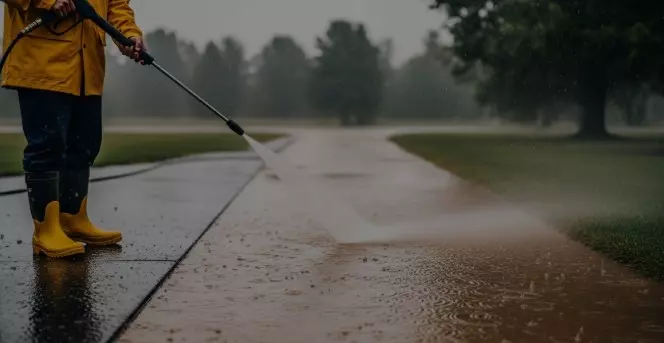
Pressure washing is one of the most effective ways to keep your home, driveway, deck, or siding clean. But what happens when the weather doesn’t cooperate? Many homeowners wonder: can you pressure wash in the rain? While it might seem harmless to just power through a drizzle, rain can significantly affect both the results and the safety of your cleaning project. In this guide, we’ll break down everything you need to know, from risks and efficiency issues to step-by-step safety tips and best practices.
Short Answer: Is It Safe to Pressure Wash in the Rain?
The short answer: yes, but it’s generally not recommended.
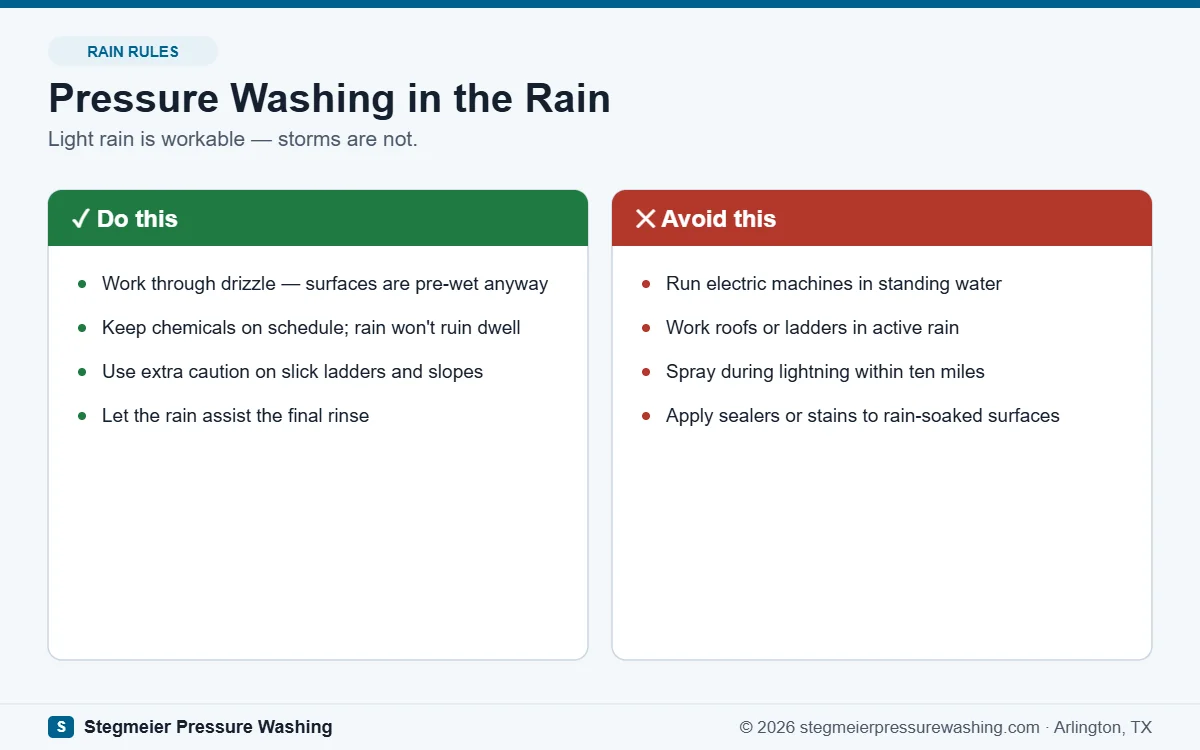
While pressure washing in light rain is technically possible, it comes with several risks. Wet surfaces are more slippery, detergents can be diluted by rainwater, and electric pressure washers pose a higher risk of shocks or short-circuiting. For optimal cleaning, efficiency, and safety, it’s best to wait for dry conditions. However, if you must clean during rainy weather, following proper precautions can minimize risks and help achieve reasonable results.
Understanding Pressure Washing in Wet Conditions
How Rain Affects Pressure Washing Efficiency
Rain can make even the most powerful pressure washer less effective. Here’s how:
- Dilution of Cleaning Agents: Detergents and cleaning solutions are less effective when diluted by rainfall. This can leave surfaces partially cleaned and may require multiple passes.
- Reduced Water Pressure Efficiency: Rain adds an extra layer of water on surfaces, making it harder for the washer to dislodge dirt, grime, or algae.
- Slippery Surfaces: Wet decks, driveways, and sidewalks increase the risk of slipping, particularly if using a ladder or elevated platform.
Even if you have the best equipment, cleaning in rain often results in diminished results and longer cleaning times.
Safety Considerations for Pressure Washing in the Rain
Safety should always come first. When pressure washing in wet conditions, consider:
- Electrical Hazards: Electric pressure washers are risky in rain due to potential short-circuits or shocks. Gas-powered washers are safer, but still require caution.
- Slip and Fall Risks: Surfaces like wood decks, concrete, and tiles become extremely slippery when wet. Proper footwear and careful movement are essential.
- Surface Damage: Excess water can weaken wooden surfaces, wash away paint or stain prematurely, and cause watermarks on delicate areas.
Keeping these factors in mind can help you avoid accidents and property damage.
People Also Ask: Related Questions About Pressure Washing in the Rain
Can Rain Water Help With Cleaning During Pressure Washing?
Light rain might seem helpful by pre-wetting surfaces, but it’s a double-edged sword. Rain can help loosen dirt but also dilutes soap and detergent, reducing cleaning effectiveness. Heavy rain often overwhelms your washer’s cleaning power entirely.
What Happens if You Pressure Wash During a Storm?
Never pressure wash in a thunderstorm. Lightning strikes, strong winds, and heavy rain create extreme hazards. Equipment can become uncontrollable, and surfaces become dangerously slippery. It’s safer to postpone your project until calm, dry weather.
Can You Pressure Wash Wooden Surfaces in Wet Weather?
Pressure washing wet wood is risky. Excess water can cause warping, raise wood grain, and dilute stains or sealants. Wait for dry conditions for best results, or ensure the wood is properly sealed before washing.
Is It Okay to Pressure Wash Cars When It’s Raining?
While technically possible, washing a car in the rain is not ideal. Rainwater can leave streaks, spots, and dilute soap, reducing cleaning efficiency. For the best shine, wash in dry weather and finish with proper drying techniques.
Step-by-Step Guide: How to Pressure Wash Safely in the Rain
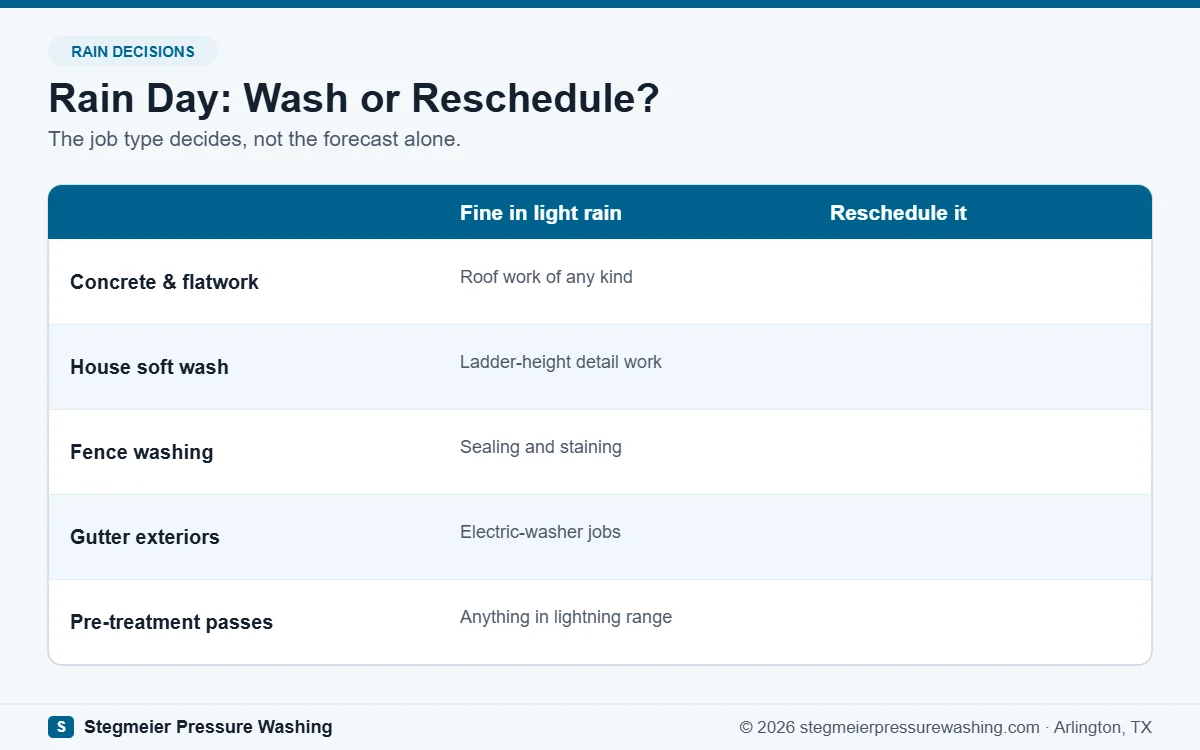
Even if conditions are less than perfect, following these steps can help you clean safely and effectively.
Step 1 – Check Weather Conditions
Avoid heavy rain, storms, or lightning. Light drizzle is manageable, but extreme weather is unsafe and reduces cleaning efficiency.
Step 2 – Choose the Right Equipment
- Electric vs. Gas Pressure Washers: Gas washers are safer in wet conditions because they don’t rely on electricity.
- Nozzles and Extension Wands: Use the correct nozzle for the surface to avoid damage. Long wands keep you at a safer distance from slippery areas.
- Protective Gear: Wear non-slip shoes, gloves, and eye protection.
Step 3 – Prepare the Surface
Remove debris, loose dirt, leaves, and obstacles. Wet surfaces can hide hazards like rocks or cracks, increasing slip risk.
Step 4 – Use Detergents Correctly
Apply detergents sparingly. Heavy rain can wash them away before they take effect. Focus on spot treatments and areas that require deeper cleaning.
Step 5 – Pressure Wash With Caution
- Use lower pressure settings on slippery or delicate surfaces.
- Maintain a consistent distance and angle to prevent damage.
- Work in sections to maintain control and reduce the risk of slipping.
Step 6 – Post-Wash Care
- Allow surfaces to dry naturally or use a squeegee for faster drying.
- Inspect surfaces for streaks, spots, or damage.
- Reapply sealants or protective coatings if needed.
Comparison Table: Pressure Washing in Rain vs. Dry Conditions
| Feature / Factor | Pressure Washing in Rain | Pressure Washing in Dry Weather | Notes / Recommendations |
|---|---|---|---|
| Cleaning Effectiveness | Reduced (water dilutes soap) | Optimal | Rain may require multiple passes |
| Surface Safety | Higher slip risk | Lower slip risk | Use proper footwear and caution |
| Equipment Safety | Risk of electric hazards | Safer for electric washers | Gas washers safer in rain |
| Drying & Streaks | More likely | Less likely | Post-wash drying recommended |
| Convenience | Less predictable | More controlled | Plan for dry weather if possible |
Planning a Pressure Washing Job in Arlington?
North Texas weather changes fast. If you are booking a professional crew, ask how they handle rain and storms when you schedule, and plan concrete sealing or painting for a dry stretch of days. For house washing, driveway cleaning, or roof washing in Arlington and DFW, request a free quote or call 817-580-9881.
FAQs About Pressure Washing in the Rain
1. Can you pressure wash during light rain?
Yes, but results may be less effective, and safety precautions are essential.
2. Is it safe to pressure wash wood decks when wet?
It is possible but can cause warping or damage. Wait for drier conditions if possible.
3. Will pressure washing in rain damage my driveway or siding?
Not usually, but wet conditions can increase slip risks and reduce cleaning efficiency.
4. How do you prevent slipping while pressure washing in wet conditions?
Wear non-slip footwear, work slowly, and use stable platforms.
5. Are gas pressure washers safer than electric washers in rain?
Yes, gas washers don’t carry the same risk of electrical shock.
6. Does rainwater reduce the need for detergent?
No, rain dilutes detergents and often reduces cleaning effectiveness.
7. Can pressure washing in rain save time?
Typically no. It often requires more effort and multiple passes.
8. Should I postpone a pressure washing job if rain is expected?
Yes, postponing is recommended for both safety and optimal results.
For local rainfall averages, see the DFW normals, means, and extremes from the National Weather Service in Fort Worth.
Conclusion: Should You Pressure Wash in the Rain?
In conclusion, while you can pressure wash in the rain, it’s generally best to wait for dry conditions. Rain reduces cleaning effectiveness, increases slip hazards, and raises the risk of equipment damage, especially for electric washers. If you must work in wet weather, follow our step-by-step safety guide, choose appropriate equipment, and take extra precautions to protect yourself and your surfaces. Ultimately, planning your pressure washing around dry weather ensures safer, faster, and more effective results. Visit Stegmeier Pressure Washing for more information and help.