Skip to content
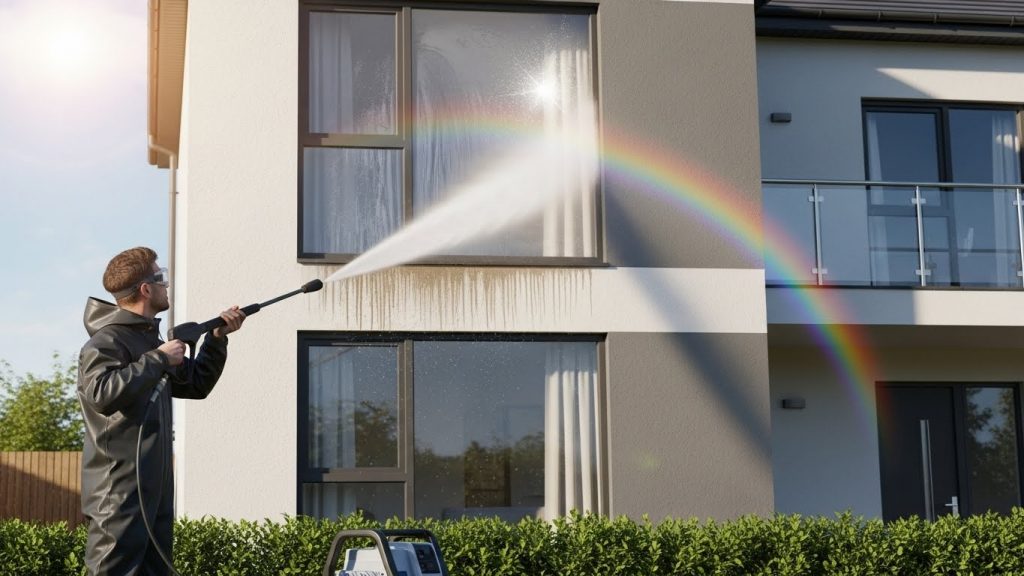
Keeping windows sparkling clean is not only about aesthetics; it also helps maintain their lifespan and prevents long-term damage. Many homeowners wonder: can you pressure wash windows? The short answer is yes, but it requires careful technique and safety measures. Done correctly, pressure washing can remove stubborn dirt, mold, and grime in a fraction of the time it takes with traditional methods. However, improper use can lead to cracked glass, damaged frames, or costly repairs. In this guide, we’ll walk you through the benefits, risks, safe practices, and alternative cleaning methods for windows.
Short Answer: Can You Pressure Wash Windows?
Yes, you can pressure wash windows, but there are important precautions you must follow:
- Use low-pressure settings to avoid cracking or etching the glass.
- Protect frames, caulking, and nearby plants with plastic sheeting or towels.
- Inspect windows before washing to ensure there are no existing cracks or weaknesses.
Safe situations: Durable, large windows, commercial buildings, and modern glass with strong frames.
Risky situations: Older windows, delicate glass, tinted or coated panes, or windows with wooden frames prone to water damage.
Following proper technique ensures your windows are clean without causing damage.
Understanding Pressure Washing Windows
Why Pressure Washing Windows Can Be Beneficial
Pressure washing offers several advantages over manual window cleaning:
- Removes tough dirt and grime efficiently – Pollen, dust, mold, and environmental pollutants often accumulate in corners and sills where a cloth or sponge struggles to reach.
- Saves time – A pressure washer can clean multiple windows in minutes, compared to the labor-intensive process of scrubbing each pane.
- Prepares windows for treatments – If you plan to paint, stain, or seal window frames, a clean surface is essential for optimal adhesion.
For commercial buildings, high-rise homes, or heavily soiled windows, pressure washing is often the most practical solution.
Risks of Pressure Washing Windows
While highly effective, pressure washing carries potential risks:
- Cracked or broken glass – High-pressure water can exert enough force to fracture fragile panes.
- Damage to frames, seals, and caulking – Wooden frames can warp, caulking can be washed away, and aluminum or vinyl frames can dent if the spray is too strong.
- Streaking or etching of delicate glass – Low-quality glass or antique panes may develop fine scratches if the pressure is too high.
Understanding these risks helps you determine if pressure washing is appropriate for your windows.
Step-by-Step Guide: How to Pressure Wash Windows Safely
Follow these steps to clean windows without damaging them:
Step 1: Gather Tools and Safety Equipment
- Pressure washer with adjustable pressure
- Protective eyewear and gloves
- Cleaning solution or mild detergent (optional)
- Microfiber towels, squeegee, or soft brush
Step 2: Inspect Windows and Surroundings
- Look for cracks, loose frames, or damaged seals
- Remove any window screens if possible
Step 3: Cover Nearby Plants, Walls, and Furniture
- Protect landscaping and nearby surfaces with plastic sheeting
- Prevent water or cleaning solution from splashing onto sensitive areas
Step 4: Select Low-Pressure Settings and Correct Nozzle
- Use 500–800 PSI with a wide fan tip
- Avoid pinpoint or rotating nozzles that concentrate force
Step 5: Apply Cleaning Solution (Optional)
- Spray a mild, window-safe detergent for stubborn grime
- Let it sit for 1–2 minutes, but do not allow it to dry
Step 6: Pressure Wash with Proper Distance and Angle
- Maintain 12–18 inches distance from the glass
- Spray at a slight downward angle to reduce streaking and water intrusion into seals
Step 7: Rinse and Dry Windows
- Rinse off all detergent with clean water
- Use a squeegee or microfiber towel to remove streaks
Step 8: Inspect for Damage and Streaks
- Check glass for cracks or scratches
- Inspect frames and caulking for any water damage
Comparison of Window Cleaning Methods
| Method | Pros | Cons | Best For |
|---|---|---|---|
| Pressure Washing | Fast, removes tough grime | Risk of glass/frame damage | Large, durable windows, commercial settings |
| Hand Washing with Soap & Water | Safe for all glass types, controlled | Labor-intensive, time-consuming | Residential, delicate windows |
| Water-fed Pole System | Gentle, reaches high windows safely | Slower than pressure washing | Multi-story homes, commercial buildings |
| Steam Cleaning | Sanitizes, chemical-free | Requires specialized equipment | Sensitive or tinted windows |
This table helps you weigh speed, safety, and suitability when choosing a window cleaning method.
People Also Ask
- Can pressure washing crack windows?
- Is it safe to pressure wash windows with wooden frames?
- How far should you stand from the window when pressure washing?
- Can pressure washing remove hard water stains from glass?
- Should you pressure wash tinted or coated windows?
Frequently Asked Questions
1. Can you pressure wash windows with screens on?
It’s not recommended. Screens can trap water, leading to streaks and potential frame damage. Remove them before washing.
2. Do you need to use a cleaning solution when pressure washing windows?
Optional. Mild detergent helps remove stubborn dirt, but avoid harsh chemicals that may etch glass or damage frames.
3. What pressure setting is safe for glass?
A setting between 500–800 PSI with a wide fan tip is generally safe for most modern windows.
4. Can pressure washing remove mold from window frames?
Yes, but ensure frames are durable enough to withstand the spray. Wooden frames may require gentle hand cleaning to prevent damage.
5. How often should you pressure wash windows?
Once or twice a year is typically sufficient for residential homes; commercial properties may need more frequent cleaning.
6. Is it safe to pressure wash windows in cold weather?
Avoid freezing temperatures, as water can freeze on the glass, causing cracks or streaking.
7. Can I pressure wash windows on the second floor safely?
Yes, with an extension wand or water-fed pole system. Avoid leaning out of windows; use ladders with extreme caution.
8. Does pressure washing improve the lifespan of windows?
Indirectly, yes. Removing grime prevents frame deterioration and helps maintain the integrity of caulking and seals.
Conclusion: Can You Pressure Wash Windows?
Pressure washing windows is a safe and effective cleaning method when performed correctly. By using low pressure, protective measures, and proper technique, you can remove grime and mold efficiently without damaging glass or frames. For older, delicate, or tinted windows, consider alternative methods like hand washing, water-fed poles, or steam cleaning. Always weigh the benefits against potential risks before starting a DIY project.
A clean window isn’t just about curb appeal it’s about preserving your investment, preventing damage, and enjoying clearer views year-round. Visit Stegmeier Pressure Washing for more information now!