Skip to content
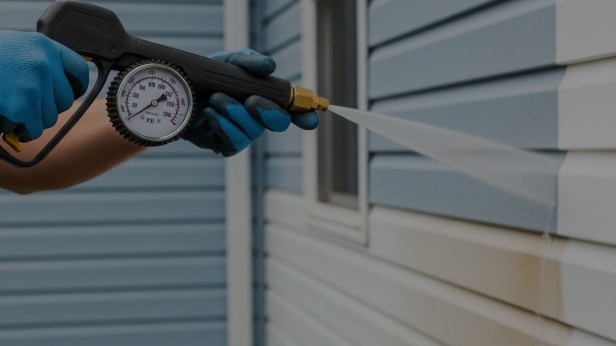
Keeping your vinyl siding clean is essential for maintaining your home’s curb appeal and preventing long-term damage. But if you’re considering using a pressure washer, one of the most common questions homeowners ask is: how much PSI to pressure wash vinyl siding? Using too little pressure may not clean effectively, while too much can damage your siding. In this guide, we’ll provide a detailed answer, explore the factors that influence PSI choice, and give you a complete step-by-step process for safe, effective pressure washing.
Short Answer: Recommended PSI for Vinyl Siding
For most vinyl siding, the ideal pressure range is 1,200–1,500 PSI. This range is strong enough to remove dirt, grime, and mild mold or mildew, yet gentle enough to avoid warping or cracking the siding.
- Low-pressure risks: Using below 1,200 PSI may result in poor cleaning performance, requiring multiple passes and more time.
- High-pressure risks: Exceeding 1,500 PSI, especially without proper technique, increases the likelihood of cracking, denting, or forcing water behind the siding, which can lead to mold growth.
Understanding PSI and Vinyl Siding
What is PSI and Why it Matters
PSI stands for pounds per square inch, a measure of the force applied by a pressure washer. The higher the PSI, the stronger the water stream. While a powerful spray is useful for removing tough stains, vinyl siding is relatively thin and can be damaged if the pressure is too high.
Other key points:
- Nozzle choice matters: Wide-angle nozzles distribute pressure evenly, reducing risk.
- Spray distance matters: Holding the wand too close increases localized pressure, potentially damaging the siding.
Types of Vinyl Siding and Their Pressure Limits
Not all vinyl siding is created equal. Here’s what to consider:
- Horizontal vs. vertical siding: Vertical panels are more prone to water intrusion if too much pressure is applied.
- Older vs. newer siding: Older siding may be brittle and require lower PSI.
- Coated or textured siding: Some finishes are more delicate; always check the manufacturer’s specifications.
How to Determine the Right PSI for Your Vinyl Siding
Factors That Influence PSI Choice
Several factors determine the optimal PSI:
- Age and condition of siding: Fragile, aging siding needs gentler pressure.
- Type of dirt or stain: Mold and mildew may require slightly higher pressure combined with a detergent solution.
- Distance and angle of spray: Holding the wand 2–3 feet away and at a 25–40° angle reduces risk of damage.
- Detergents or cleaning solutions: Mild solutions can reduce the need for high PSI by loosening grime effectively.
Common Mistakes to Avoid
- Using too high PSI: Can crack or warp the siding.
- Ignoring manufacturer guidelines: Every siding type has a safe pressure range.
- Not testing first: Always test a hidden area to ensure no damage occurs.
Step-by-Step Guide: Pressure Washing Vinyl Siding Safely
Step 1: Prepare Your Tools and Safety Gear
- Pressure washer selection: Choose one rated between 1,200–1,500 PSI.
- Safety equipment: Gloves, goggles, and sturdy footwear.
- Ladders: Ensure stable footing and avoid overreaching.
Step 2: Pre-Rinse the Siding
- Remove loose dirt and debris before applying detergent.
- Use a wide-angle nozzle to avoid concentrated pressure.
Step 3: Apply Cleaning Solution (Optional)
- Mild, vinyl-safe detergent works best.
- Apply from bottom to top to prevent streaks.
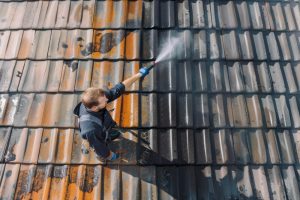
Step 4: Pressure Wash at the Recommended PSI
- Hold the wand 2–3 feet from the siding.
- Maintain a 25–40° angle to clean gently.
- Work in small sections for consistent results.
Step 5: Rinse Thoroughly
- Remove all detergent residues to prevent streaking or residue build-up.
Step 6: Inspect and Touch-Up
- Check for streaks, water intrusion, or minor damage.
- Use a soft brush for any stubborn spots without increasing PSI.
Comparison Table: PSI Levels and Effects on Vinyl Siding
| PSI Range | Use Case | Pros | Cons | Best For |
|---|---|---|---|---|
| 1,200–1,500 | Standard cleaning | Safe, effective | May need more passes | Most vinyl siding |
| 1,500–1,800 | Tough stains | Stronger cleaning | Risk of damage | Heavily soiled areas, test first |
| <1,200 | Light cleaning | Very safe | Less effective | Weekly maintenance, delicate siding |
FAQs About Pressure Washing Vinyl Siding
Can too much PSI damage vinyl siding?
Yes. Exceeding 1,500 PSI can crack, warp, or force water behind panels, leading to mold growth. Always test first.
Is it better to use hot or cold water?
Cold water is generally sufficient for vinyl siding. Hot water may be used with care for grease or stubborn stains.
Can I use a pressure washer without detergent?
Yes, for light dirt. However, mild detergent enhances cleaning efficiency and reduces the need for high pressure.
How often should I pressure wash vinyl siding?
Once a year is typical. Homes in humid areas may require more frequent cleaning to prevent mold and mildew.
What nozzle tip is best for vinyl siding?
25–40° wide-angle nozzles distribute water evenly and prevent concentrated pressure damage.
Can pressure washing remove mold and mildew completely?
Yes, if the right PSI and detergent are used. For persistent growth, pre-treat with a mold-killing solution.
How far should I hold the wand from the siding?
Maintain a distance of 2–3 feet to avoid excessive pressure and prevent damage.
Is professional pressure washing safer than DIY?
Professionals have experience and equipment suited to protect siding. DIY is safe if proper PSI, technique, and safety precautions are followed.
Conclusion
Determining how much PSI to pressure wash vinyl siding is crucial for safe and effective cleaning. For most siding, 1,200–1,500 PSI offers the perfect balance between cleaning power and protection. Always consider siding type, age, dirt level, and detergent use before applying pressure. Follow a step-by-step process, test in a small area, and maintain safe distances. With careful attention, you can keep your siding sparkling clean while preserving its structural integrity. Regular maintenance reduces the need for high-pressure cleaning, ensuring your home looks its best for years to come. Visit Stegmeier Pressure Washing for more information and help.