Skip to content
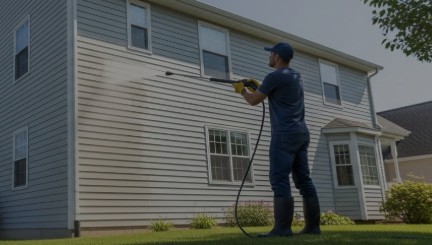
Pressure washing your siding is one of the most effective ways to remove dirt, mildew, algae, and stubborn stains that accumulate over time. Not only does it improve your home’s curb appeal, but it also helps maintain the longevity of your siding. Many homeowners are hesitant to attempt it themselves due to concerns about damage, improper technique, or safety. This comprehensive guide will teach you how to pressure wash siding safely and effectively, whether you’re tackling vinyl, wood, aluminum, or fiber cement siding.
Quick Answer: How to Pressure Wash Siding
If you need a fast, actionable answer, here’s a simple overview:
- Use a pressure washer with 1,200–2,500 PSI (adjust depending on siding type).
- Maintain a distance of 3–4 feet from the siding to avoid surface damage.
- Rinse from top to bottom to prevent streaking and ensure thorough cleaning.
- Always wear protective gear, including goggles, gloves, and closed-toe shoes.
Time estimate: A standard single-story home takes about 1–2 hours to pressure wash, including preparation and clean-up.
This short guide is perfect if you’re in a hurry, but for long-lasting results and minimal risk, read on for the full breakdown.
Understanding Pressure Washing for Siding
What Is Pressure Washing?
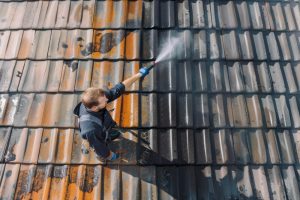
Pressure washing is the process of using high-pressure water to clean surfaces. A pressure washer can remove dirt, algae, mold, and stains that are difficult to eliminate with traditional scrubbing.
Pressure washing vs. soft washing:
- Pressure washing uses high PSI water to clean more aggressively.
- Soft washing uses low-pressure water combined with cleaning solutions to gently remove contaminants. Soft washing is ideal for delicate surfaces, whereas pressure washing is better for durable siding materials.
Why Pressure Wash Siding?
Pressure washing siding provides several benefits:
- Removes dirt, mildew, algae, and stains: Prevents buildup that can degrade siding.
- Improves curb appeal: A clean exterior instantly boosts your home’s appearance.
- Extends siding lifespan: Dirt and mold can accelerate material wear, so regular cleaning protects your investment.
- Prevents long-term damage: Mold, algae, and grime can infiltrate crevices and cause rot or corrosion if left untreated.
Safety Considerations When Pressure Washing Siding
Before you begin, consider these safety tips:
- High PSI can damage softer siding materials like wood and vinyl.
- Always wear gloves, goggles, and non-slip footwear.
- Avoid spraying directly at windows, doors, and electrical outlets to prevent water intrusion.
- Never point the washer at pets, children, or yourself.
Types of Siding and the Best Pressure Washing Method
Different siding types require different pressure settings and techniques to avoid damage:
Vinyl Siding
- Recommended PSI: 1,200–1,500
- Use a wide-angle nozzle to prevent gouging.
- Maintain 3–4 feet distance and spray at a slight downward angle.
Wood Siding
- Softer PSI: 1,200–1,400 to avoid splintering.
- Use a 25° or 40° nozzle for broader coverage.
- Apply mild detergent to tackle mildew or stains.
Aluminum and Fiber Cement Siding
- PSI: 1,500–2,000 for aluminum; fiber cement can handle higher pressure.
- Use water-based, non-abrasive cleaners for aluminum.
- Special attention: Avoid oversaturating fiber cement to prevent water absorption.
How to Pressure Wash Siding: Step-by-Step Guide
Tools and Materials Needed
- Pressure washer (1,200–2,500 PSI depending on siding)
- Detergents and cleaning solutions (optional for stubborn stains)
- Extension wand or brush attachment
- Garden hose and protective gear (goggles, gloves, mask)
Step 1: Prepare the Area
- Move furniture, grills, or decorative items away from walls.
- Cover plants and shrubs to protect them from chemicals or strong water spray.
- Close all windows, doors, and vents.
Step 2: Set Up the Pressure Washer
- Attach the correct nozzle for your siding type (usually 25° or 40° for soft spray).
- Test the pressure on a hidden area to ensure it won’t damage the siding.
- Mix detergent with water if required, following manufacturer guidelines.
Step 3: Apply Detergent
- Apply detergent evenly from bottom to top to avoid streaking.
- Let it sit 5–10 minutes, but don’t allow it to dry completely.
- Use a brush or soft attachment for stubborn stains.
Step 4: Rinse the Siding
- Hold the wand 3–4 feet away at a 45° angle.
- Rinse from top to bottom for thorough cleaning.
- Avoid lingering in one spot to prevent surface damage.
Step 5: Inspect and Touch Up
- Walk around the house to check for missed spots or streaks.
- Spot clean any remaining stains with a gentle scrub and rinse again.
- Allow siding to dry completely before putting furniture or decorations back.
Comparison of Pressure Washing Methods for Siding
Pressure Washing vs. Soft Washing
| Feature | Pressure Washing | Soft Washing |
|---|---|---|
| Best For | Durable siding | Delicate siding, algae/mold |
| Water Pressure | 1,200–2,500 PSI | <500 PSI |
| Chemicals Required | Optional | Yes |
| Risk of Damage | Higher | Lower |
| Cost and Time | Moderate | Longer |
DIY vs. Hiring a Professional
| Feature | DIY | Professional |
|---|---|---|
| Cost | Lower | Higher |
| Equipment Needed | Purchase/Rent | Provided |
| Expertise Required | Moderate | High |
| Safety Risk | Higher | Lower |
| Results | Variable | Consistent |
FAQs About How to Pressure Wash Siding
- Can I pressure wash siding myself?
Yes, with the right equipment, PSI settings, and safety precautions, DIY pressure washing is possible. - How often should I pressure wash my siding?
Most homeowners should pressure wash once a year to prevent buildup of dirt, mildew, and algae. - What PSI is safe for vinyl siding?
A PSI between 1,200 and 1,500 is generally safe for vinyl siding. - Can pressure washing damage siding?
Yes, high PSI or improper technique can crack, dent, or strip paint from siding. Always test a small area first. - Is it necessary to use detergent?
Detergent is recommended for tough stains, mold, and mildew but optional for light dirt removal. - Can I pressure wash painted siding?
Yes, but ensure the pressure is low enough to avoid stripping paint. Soft washing may be preferable for older paint. - Should I wet plants before washing nearby siding?
Yes, pre-wetting plants helps protect them from cleaning chemicals. - How do I remove mold or mildew stains effectively?
Apply a mold-specific detergent, let it sit, then rinse thoroughly using proper PSI to prevent spread.
Conclusion
Learning how to pressure wash siding properly is essential for maintaining your home’s appearance and durability. By selecting the correct pressure, nozzle, and detergent, and following a careful, step-by-step process, you can remove dirt, mold, and stains without damaging your siding.
Always prioritize safety, wear protective gear, and inspect your work carefully. With routine maintenance, pressure washing will keep your siding looking fresh, protect your investment, and enhance your home’s curb appeal for years to come. Visit Stegmeier Pressure Washing now.