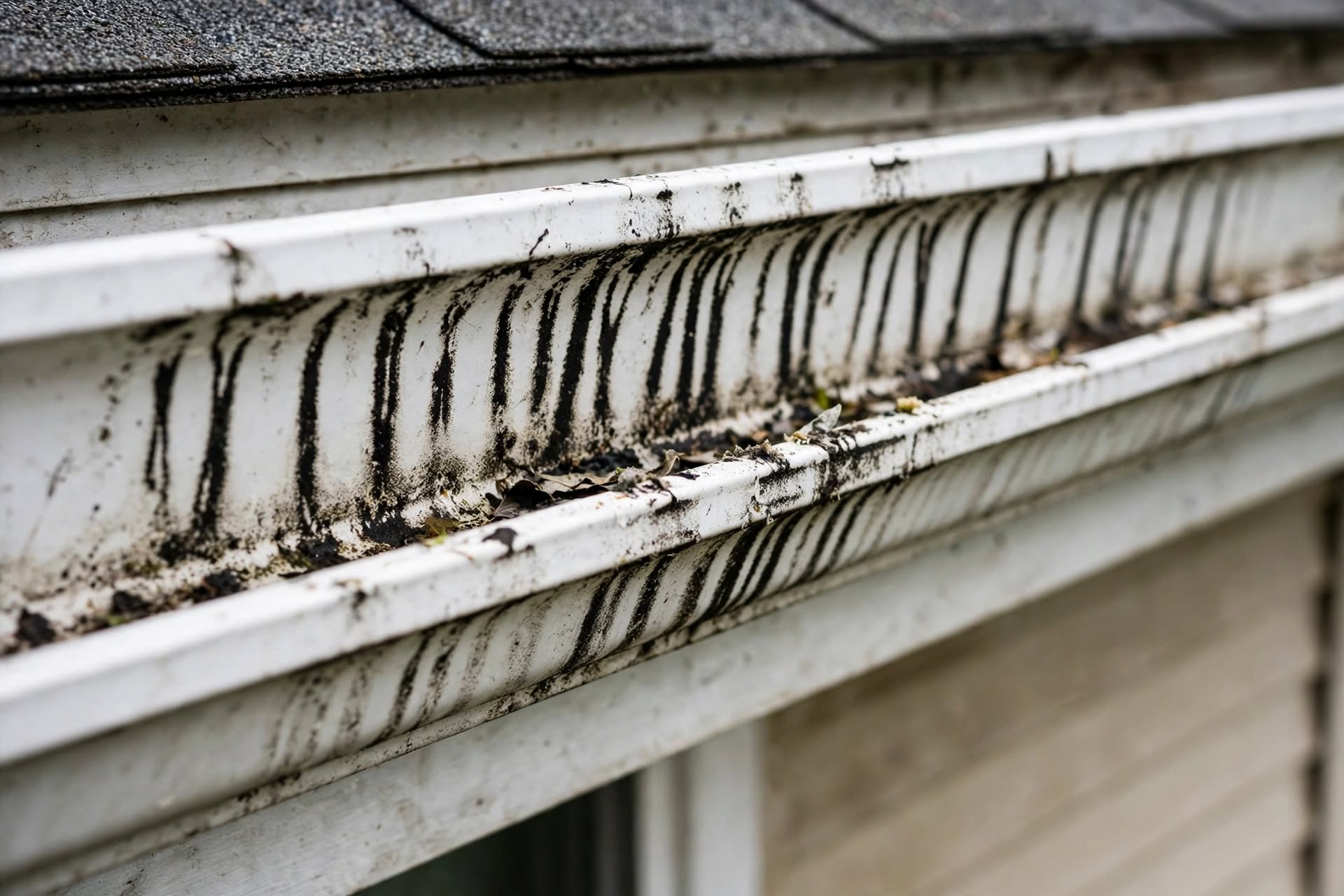
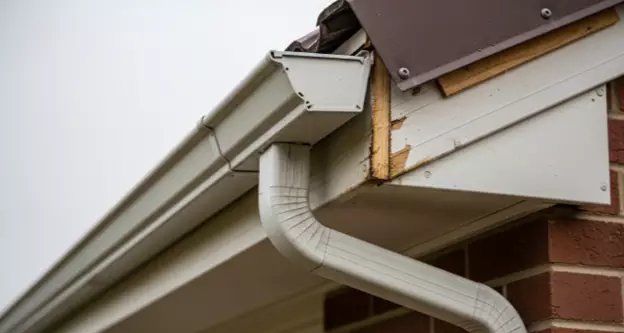
A sagging gutter isn’t just an eyesore, it’s a structural warning sign. When gutters lose their alignment, water stops flowing to the downspouts and starts pooling near your roofline, siding, and foundation. Over the years, I’ve seen minor gutter dips turn into fascia rot, basement leaks, landscape erosion, and even roof damage. The good news? Most sagging gutters can be permanently fixed if you address the real cause, not just the visible dip.
This guide walks you through the exact professional process to diagnose, repair, and prevent gutter sagging so your system performs like new.
Short Answer — How Do I Fix a Sagging Gutter?
To fix a sagging gutter, start with thorough Gutter Cleaning to remove all debris, inspect the fascia for rot, remove failed spikes or hangers, install new hidden hangers at proper spacing, and restore the correct slope toward the downspout. Most sagging occurs due to loose fasteners, excess weight, improper pitch, or weakened fascia, and a permanent repair must correct these root causes, not just push the gutter back into place.
Why Gutters Sag in the First Place
Water Weight and Debris Buildup
Standing water is far heavier than most homeowners realize. When gutters clog, that trapped water can weigh over 8 pounds per gallon, putting continuous stress on hangers and fasteners. Over time, this causes the gutter to pull away from the fascia.
Poor gutter cleaning is one of the most common reasons otherwise good systems fail prematurely.
Loose or Spaced-Out Gutter Hangers
Improper hanger spacing is a classic installation mistake. In high-rain or snow regions, hangers should be closer together. When they’re too far apart, the gutter begins to bow under load.
Another common issue is fasteners pulling out of the wood fascia, especially if standard nails were used instead of structural screws.
Rotted or Weak Fascia Board
If the fascia is soft, no fastener will hold for long. This is why many “repairs” fail within months — the gutter gets reattached to wood that has already lost its strength.
Signs of fascia rot:
- Peeling paint
- Dark staining
- Spongy texture
- Insect activity
Incorrect Gutter Slope
A properly installed gutter should have a slight pitch toward the downspout. When the slope is wrong:
- Water pools in sections
- Weight becomes uneven
- Structural stress increases
Low-Quality Installation or Aging System
Older spike-and-ferrule systems loosen over time due to:
- Thermal expansion
- Vibration
- Seasonal movement
Modern hidden hangers solve this problem by distributing weight evenly.
Signs Your Sagging Gutter Needs Immediate Repair
- Visible dipping or bending
- Water spilling over the edge during rain
- Standing water inside the gutter
- Gutter separating from the roofline
- Water collecting near the foundation
These are not cosmetic problems, they are drainage system failures.
Tools & Materials Needed to Fix a Sagging Gutter
- Hidden gutter hangers or heavy-duty brackets
- Exterior-grade structural screws
- Drill with hex head driver
- Level or chalk line
- Ladder with stabilizer
- Sealant (for joint resealing if disturbed)
How Do I Fix a Sagging Gutter Properly
Clean the Gutter Completely
Remove all debris and flush the system with water. This reveals low spots and shows how water actually flows.
Inspect the Fascia Board
Push gently against the wood. If it’s soft, replace that section before reattaching the gutter — otherwise the repair will fail.
Remove Loose Spikes or Failed Hangers
Re-nailing old spikes is temporary. They will loosen again. Always upgrade to screw-mounted hidden hangers.
Install New Hidden Hangers at Proper Spacing
- Standard climates: every 24–30 inches
- Snow-heavy regions: every 18–24 inches
This evenly distributes the load.
Restore the Correct Gutter Pitch
The standard slope is ¼ inch per 10 feet toward the downspout. Use a level or chalk line for accuracy.
Test Drainage Performance
Run water through the system and confirm:
- No standing water
- Smooth flow to downspout
- No overflow
This final test separates a professional repair from a temporary fix.
Repair vs Replace — What’s the Better Option?
When a Simple Repair Is Enough
- Sag is isolated to one section
- Gutter material is still structurally sound
- Fascia is in good condition
When Full Replacement Is Smarter
- Multiple low points throughout the run
- Cracks, rust, or warping
- Extensive wood rot behind the system
At that stage, replacement is more cost-effective long term.
Best Methods to Fix a Sagging Gutter
| Repair Method | Best For | Cost | Difficulty | Lifespan | Pros | Cons |
| Re-securing existing spikes | Minor sag | $ | Easy | Short | Fast | Temporary fix |
| Installing hidden hangers | Most repairs | $$ | Moderate | Long | Strong & reliable | Requires tools |
| Fascia board replacement | Rot damage | $$$ | Advanced | Very long | Permanent solution | Higher cost |
| Full gutter replacement | System failure | $$$$ | Advanced | 20+ years | Brand-new performance | Highest cost |
Pro Tips to Prevent Gutters from Sagging Again
Correct Hanger Spacing for Heavy Rain & Snow Areas
Closer spacing dramatically increases load capacity.
The Role of Regular Gutter Cleaning
A clean gutter is a lightweight gutter. Routine cleaning prevents the stress that causes structural failure.
Choosing the Right Gutter Material (Aluminum vs Steel vs Vinyl)
- Aluminum: Lightweight, rust-proof, most common
- Steel: Stronger for snow loads
- Vinyl: Budget-friendly but prone to flexing
Installing Gutter Guards to Reduce Weight Load
Gutter guards reduce debris accumulation, which means less standing water and less structural strain.
Cost Breakdown — How Much Does It Cost to Fix a Sagging Gutter?
- DIY repair: $50 – $200
- Professional repair: $150 – $600 per section
- Fascia replacement: $15 – $30 per linear foot
- Full gutter replacement: $20 – $40 per linear foot
Costs vary depending on accessibility, damage level, and material.
Disclaimer: All prices mentioned in this article are estimates for general guidance and are not official quotes. Actual costs may vary depending on location, material, labor, and project conditions.
Common Questions Homeowners Ask
How do I fix a sagging gutter without replacing it?
Install new hidden hangers, correct the slope, and ensure the fascia is structurally sound.
Can clogged gutters cause sagging?
Yes. Debris holds water, and the excess weight pulls the gutter down.
How many hangers does a gutter need?
Typically one every 24–30 inches, closer in snow-prone areas.
Is it safe to repair gutters yourself?
Only if you have proper ladder safety and the repair is minor.
How long does a gutter repair last?
A properly done repair with hidden hangers can last 10–20 years.
Do gutter guards prevent sagging?
They help by reducing debris weight but must be installed on a properly supported gutter.
What is the correct gutter slope?
¼ inch per 10 feet toward the downspout.
When should I call a professional?
If there is fascia rot, multiple sagging sections, or second-story access.
DIY vs Professional Gutter Repair
DIY is suitable for:
- Single-story homes
- Minor hanger replacement
- No wood rot
Professional repair is better for:
- Structural damage
- Pitch correction across long runs
- Safety concerns
- Warranty-backed work
Conclusion — The Right Way to Fix a Sagging Gutter for Long-Term Results
Fixing a sagging gutter the right way means correcting the support system, the slope, and the drainage performance, not just pushing it back into position. When you secure the gutter with properly spaced hidden hangers, attach it to solid fascia, and maintain consistent pitch, the repair becomes a long-term solution. For homeowners who prefer expert care, professional maintenance services like Stegmeier Pressure Washing can help keep gutters clean, properly aligned, and performing efficiently year-round.
A well-functioning gutter system protects your:
- Roof
- Siding
- Foundation
- Landscaping
Stay proactive with inspections and cleaning, and your gutters will remain straight, strong, and efficient for decades.