Your home’s fascia board may seem like just trim along the roofline, but it’s far more critical than most homeowners realize. Fascia boards support your gutters, protect your roof edge, and contribute to overall structural integrity. Ignoring damage can lead to sagging gutters, water intrusion, and even costly roof repairs. Regular gutter cleaning not only protects your fascia from water damage and debris buildup but also helps you spot early signs of wear. This guide delivers the most comprehensive, contractor-level explanation so you can know exactly when to replace house fascia boards on the house, identify warning signs, and make repair or replacement decisions like a pro.
Short Answer — When to Replace House Fascia Board on House?
Replace your fascia board if you notice rot, soft spots, structural sagging, pest damage, or gutters pulling away. Lifespan varies by material:
- Wood: 15–25 years with proper maintenance
- PVC / Composite: 20–30 years
- Aluminum: 25–40 years with minimal maintenance
Professional installers often use a simple decision rule: if damage compromises gutter attachment or roof edge stability, replacement is the safest choice. Delaying can allow water to seep into rafters, damage shingles, and reduce gutter efficiency.
When to Replace House Fascia Board on House in Emergency Situations
Emergency replacement is necessary if:
- Fascia is pulling away along with gutters
- Water is actively intruding behind the board
- Mold or staining appears on interior walls
- Ice dams are forming in winter climates
Ignoring these signs can escalate minor damage into structural problems requiring roof or attic repairs.
What Is a Fascia Board and Why It Is Structurally Critical
Fascia boards are the horizontal trim boards at the roofline, connecting the roof edge to the gutter system. Their functions include:
- Supporting gutters and preventing sagging
- Protecting roof rafters from water intrusion
- Enabling proper ventilation through the soffit
- Acting as a base for drip edge to direct water off the roof
If fascia fails, you risk water damage to roofing materials, wood rot, and even compromised attic insulation. It’s not just cosmetic, it’s a structural component of your home’s exterior system.
Top Warning Signs Your Fascia Board Needs Replacement
Visual Damage Indicators
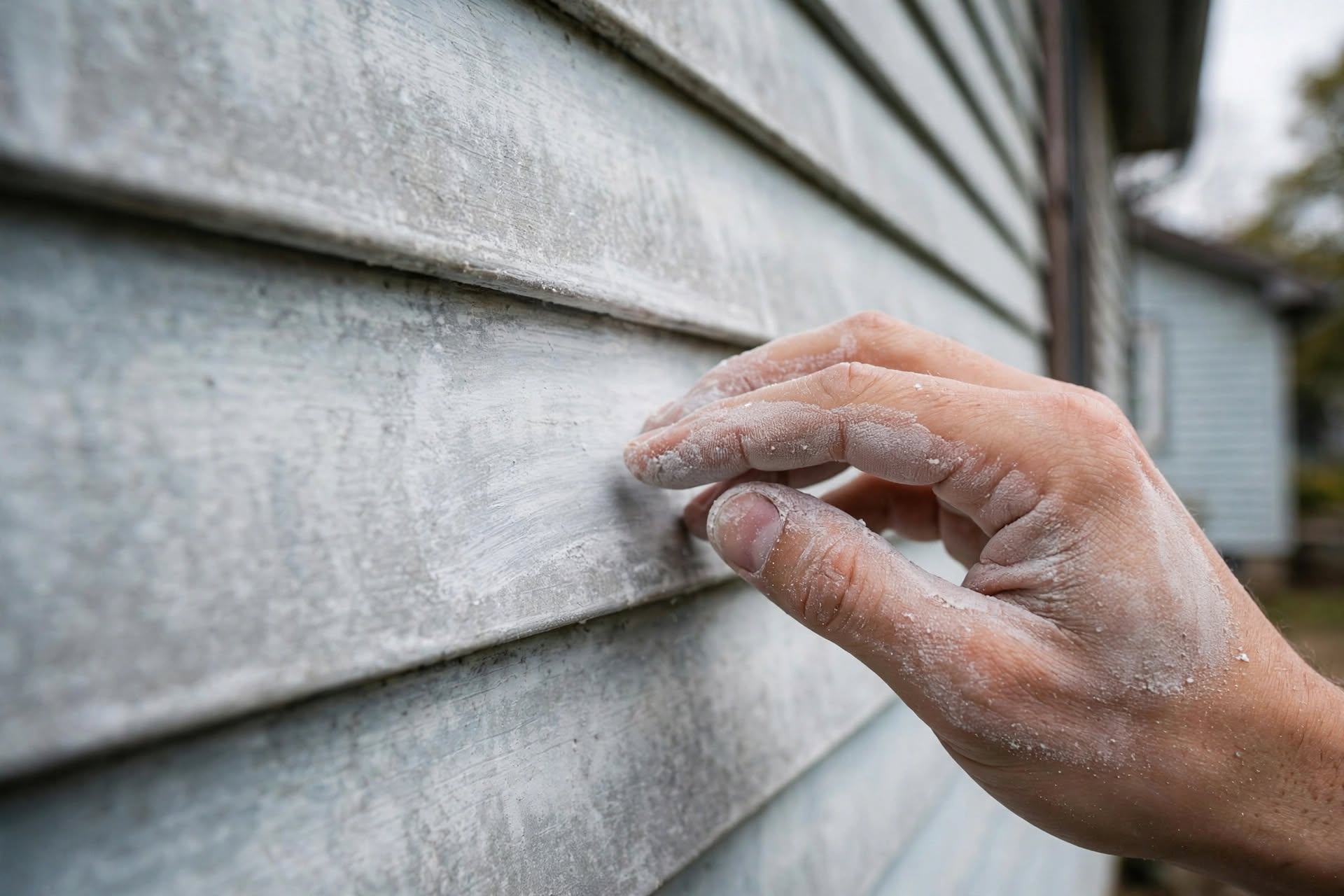
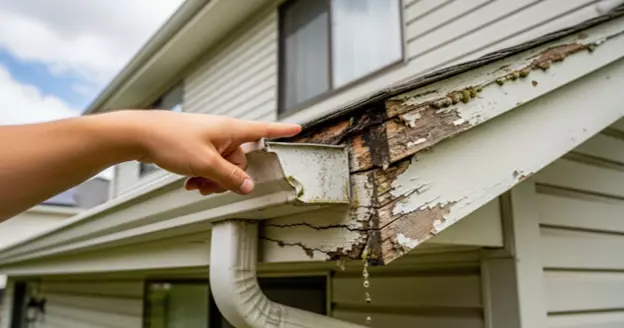
- Peeling paint or swelling from water exposure
- Cracks, splits, or bowing indicating structural stress
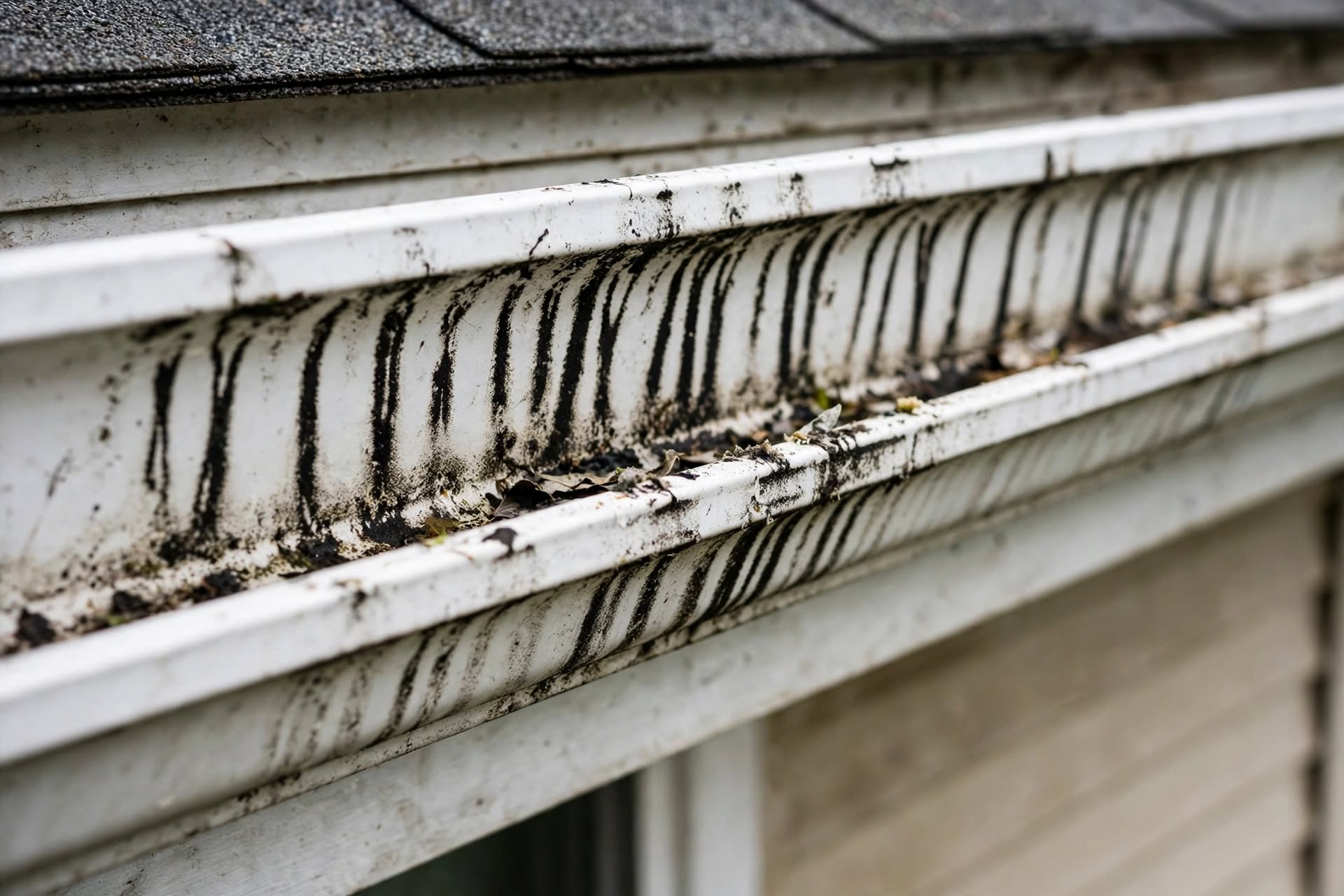
- Dark stains or mold growth along the board or roofline
Structural Failure Signs
- Sagging or loose gutters
- Soft, spongy wood detectable with a screwdriver
- Fasteners no longer gripping securely
Water Damage & Drainage Issues
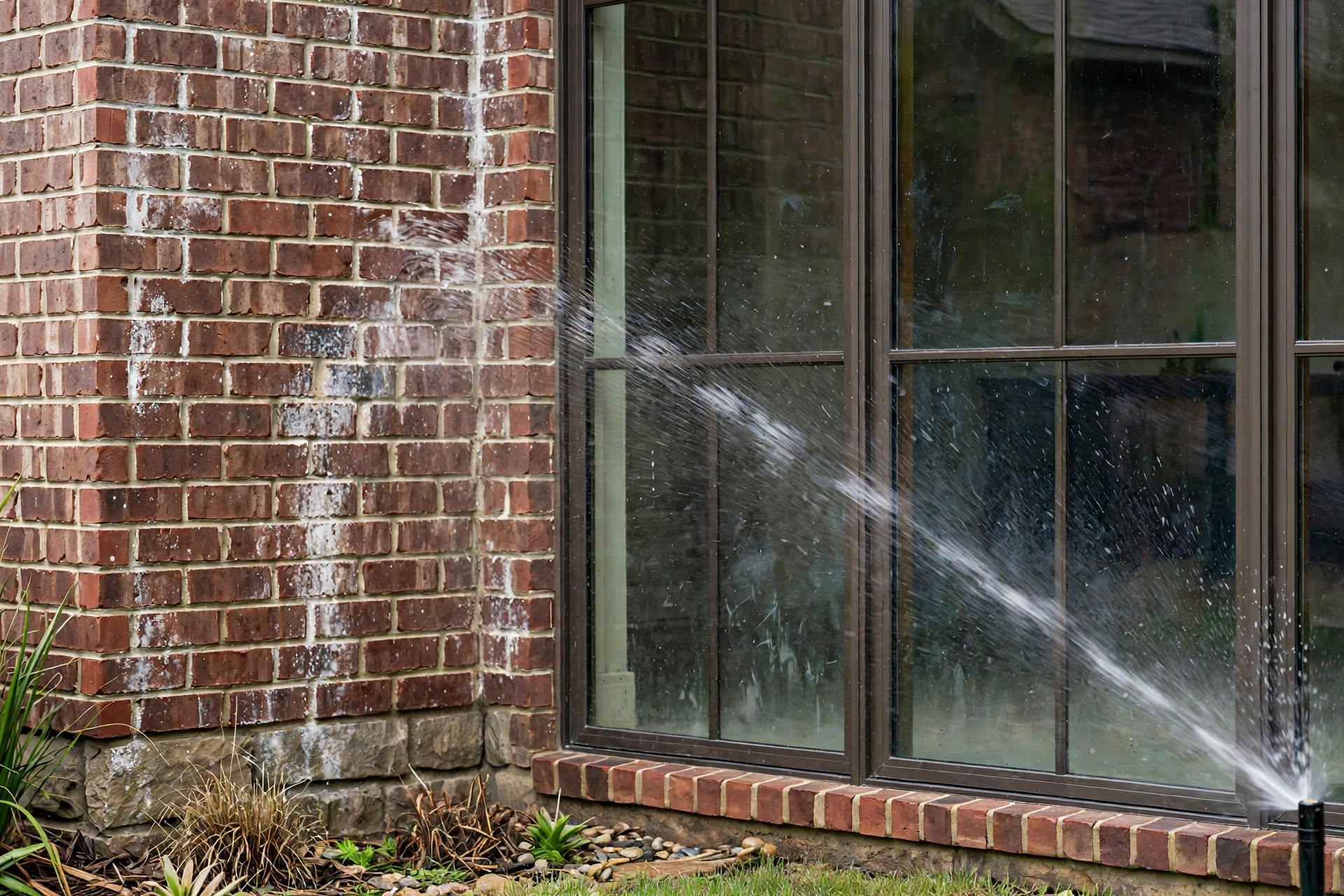
- Overflowing gutters soaking fascia repeatedly
- Improperly installed drip edge leading to water pooling
- Standing water behind gutters during storms
Pest & Animal Infestation Clues
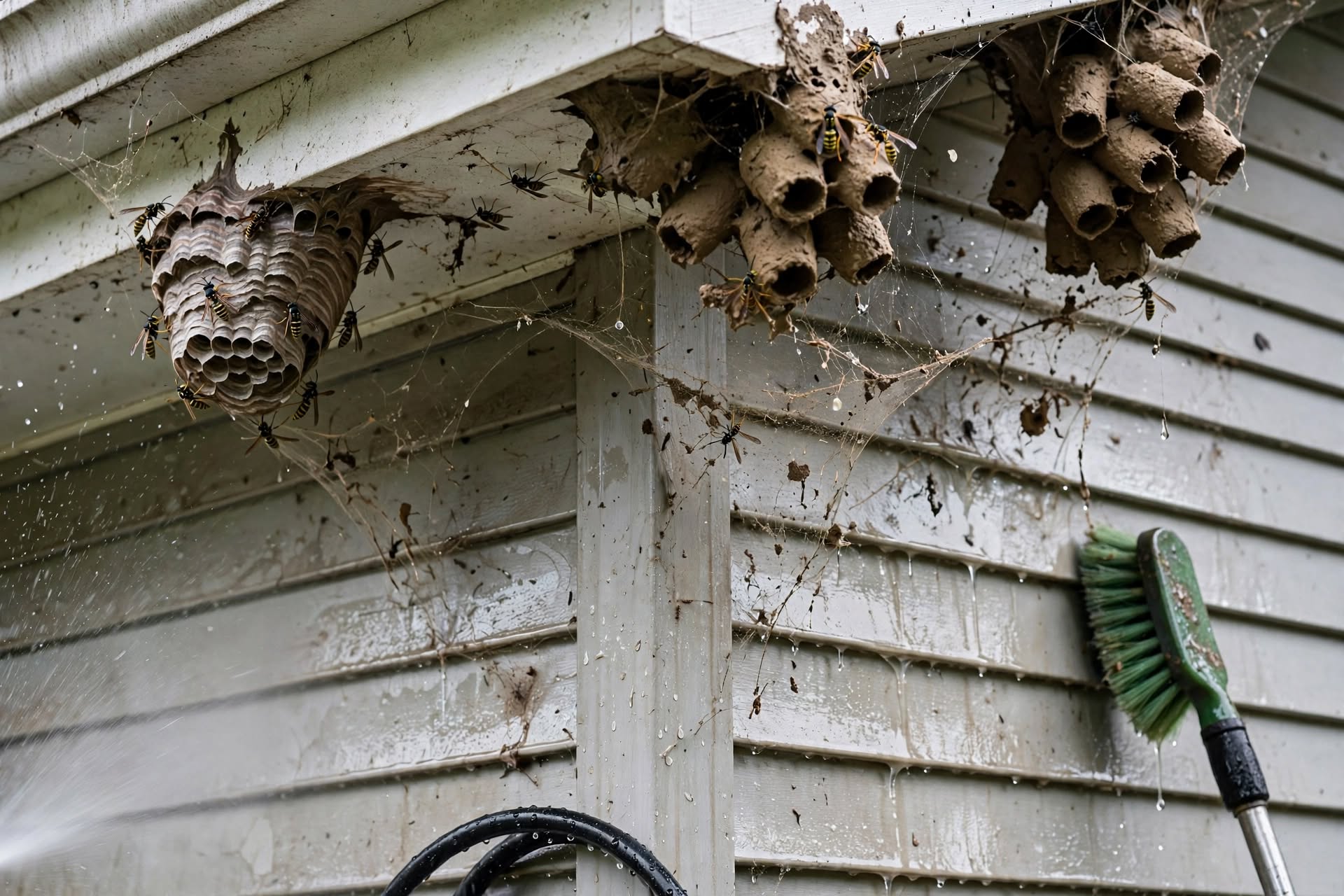
- Termite tunnels or wood-boring insect damage
- Carpenter ants nesting in rotted sections
- Birds or squirrels entering gaps along the roofline
Main Causes of Fascia Board Failure
- Poor gutter maintenance or clogged gutters
- Incorrect gutter hanger spacing
- Roof shingles overhanging too short
- Missing drip edge or improperly sealed fascia
- Ice dams in cold climates
- Low-quality wood or lack of proper sealing
Fascia Board Lifespan by Material
Wood Fascia
Traditional wood fascia can last 15–25 years, but moisture exposure shortens lifespan. Requires sealing, painting, and gutter care.
PVC / Composite Fascia
20–30 years of maintenance-free durability. Resistant to rot but requires proper installation.
Aluminum-Wrapped Fascia
25–40 years if gutters are properly supported. Aluminum prevents water damage but requires careful fastening.
Fiber Cement Fascia
30+ years, extremely durable but heavier and requires precise installation.
Tip: Climate and exposure to sunlight, snow, or ice directly affect all fascia types.
Repair vs Replace Fascia — How Professionals Decide
When Repair Is Enough
- Surface rot only
- Localized damage
- Gutter reattachment possible without structural compromise
When Full Replacement Is Required
- Deep rot extending into rafter tails
- Continuous moisture exposure
- Board sagging or structural movement
Fascia Replacement Cost Factors
- Linear footage of damaged boards
- Material choice (wood vs composite vs aluminum)
- Gutter removal & reinstallation
- Condition of roof edge and rafters
- Labor accessibility (single vs two-story homes)
Fascia Inspection Checklist Used by Gutter Installation Experts
- Probe for soft spots in wood
- Test fasteners for grip and security
- Trace moisture paths behind fascia
- Load-test gutters to ensure proper support
- Check drip edge alignment and roof slope
How to Replace a House Fascia Board Properly
Tools and Materials Required
Tape measure, ladder, pry bar, saw, drill, fasteners, sealant, primer, paint, new fascia boards.
Safe Gutter Removal
Detach gutters carefully, supporting weight to avoid damage.
Removing the Damaged Fascia
Use a pry bar to remove old boards without damaging rafters.
Inspecting Rafter Tails for Hidden Rot
Probe wood behind the fascia; replace any compromised sections.
Cutting and Sealing the New Fascia Board
Measure accurately, cut to fit, and seal all ends to prevent water intrusion.
Installing with Correct Fasteners and Alignment
Attach fascia with corrosion-resistant screws or nails, ensuring straight alignment.
Reinstalling Gutters with Proper Slope
Ensure gutters are reinstalled at a ¼ inch per 10-foot slope toward downspouts.
Sealing, Priming, and Painting for Waterproofing
Apply primer and paint to extend lifespan and protect against weather.
Fascia Replacement Timing — Best Season for the Job
- Summer and early fall: Ideal for dry wood and easy access
- Winter emergencies: Necessary in snow-prone climates
- Schedule replacement alongside roof or gutter upgrades for efficiency
Repair vs Replacement vs Capping Fascia
| Condition | Best Solution | Lifespan | Cost Level | Structural Safety |
| Minor surface rot | Repair | Medium | Low | Moderate |
| Localized damage | Partial replacement | Long | Medium | High |
| Continuous rot | Full replacement | Very long | Higher | Maximum |
| Sound wood | Aluminum capping | Very long | Medium | High |
How Gutter Problems Destroy Fascia Boards
- Clogged gutters lead to water overflow
- Incorrect downspout placement saturates fascia
- Improper gutter pitch causes pooling
- Overloaded gutters, especially in snow, crush fascia
Pro Insight: Proper gutter cleaning and hanger spacing extends fascia life significantly.
Preventing Future Fascia Damage
- Annual gutter cleaning schedule to prevent water overflow
- Maintain correct hanger spacing for structural support
- Install drip edges to protect fascia from water intrusion
- Seal end grains and joints
- Use gutter guards to reduce debris buildup
Building Code & Installation Best Practices
Fastener type and spacing standards
Use corrosion-resistant screws or nails per manufacturer guidelines.
Ventilation requirements at roof edge
Ensure soffit vents remain unobstructed.
Moisture barrier integration
Install flashing and sealants to prevent hidden rot.
DIY vs Professional Fascia Replacement
- DIY risks: ladder safety, improper alignment, undetected rot
- Professionals ensure structural integrity, proper slope, and longer lifespan
- Cost vs long-term performance favors hiring a skilled contractor for major replacement
FAQs — When to Replace House Fascia Board on House
How often should fascia boards be replaced?
Every 15–30 years, depending on material and climate exposure.
Can you replace fascia without removing gutters?
Small repairs may allow this, but full replacement typically requires temporary gutter removal.
What happens if you don’t replace rotted fascia?
Gutters may sag, water can damage rafters, mold can develop, and roof edge fails.
How much rot is too much to repair?
Any rot compromising gutter attachment or structural integrity requires full replacement.
Is PVC fascia better than wood?
PVC is more resistant to rot, requires less maintenance, and lasts longer in wet climates.
Do roofers or gutter contractors replace fascia?
Both can, but gutter contractors often handle fascia when it affects gutter support.
How long does fascia replacement take?
A standard single-story home usually takes 1–2 days, including gutter removal.
Does homeowners insurance cover fascia damage?
Typically only if damage is caused by storm, fire, or accident, not wear and tear.
Pro Tips From Gutter & Roofline Specialists
- Fix water sources before replacing fascia
- Prime all sides of wood before installation
- Use stainless or coated screws
- Install drip edge under the first row of shingles
- Overbuild in snow-load regions to prevent sagging
Conclusion — Choosing the Right Time to Replace Fascia for Maximum Roofline Protection
Understanding when to replace house fascia boards on houses is crucial for roof and gutter longevity. Replace early to prevent costly damage, plan seasonal maintenance, and consider combining fascia replacement with gutter or roof upgrades. Regular maintenance services, such as Stegmeier pressure washing, can help remove debris and water buildup that accelerates fascia damage. If you spot deep rot, sagging, or water damage, call a professional immediately to protect your home’s structural integrity.
Proper fascia care ensures your gutters, roof, and overall exterior system stay functional and durable for decades.