Texas summers are not subtle. Temperatures in the Dallas-Fort Worth area push past 100 degrees for weeks at a time, and anyone who has lived here long enough knows that an air conditioning system works harder than it should just to keep a house comfortable. People try all kinds of things to cut down on energy costs: better insulation, upgraded windows, programmable thermostats. One that comes up less often is roof cleaning, and it actually has more of an impact than most people expect.
What Builds Up on a Roof Over Time
Most homeowners do not think much about their roof until something goes wrong. But over the course of a few years, a roof collects a lot of material that is not easy to spot from the ground. Algae, moss, lichen, and dark streaking from Gloeocapsa magma (a type of cyanobacteria) are common in Texas because the climate is warm and humid enough to support that kind of growth, especially during certain parts of the year.
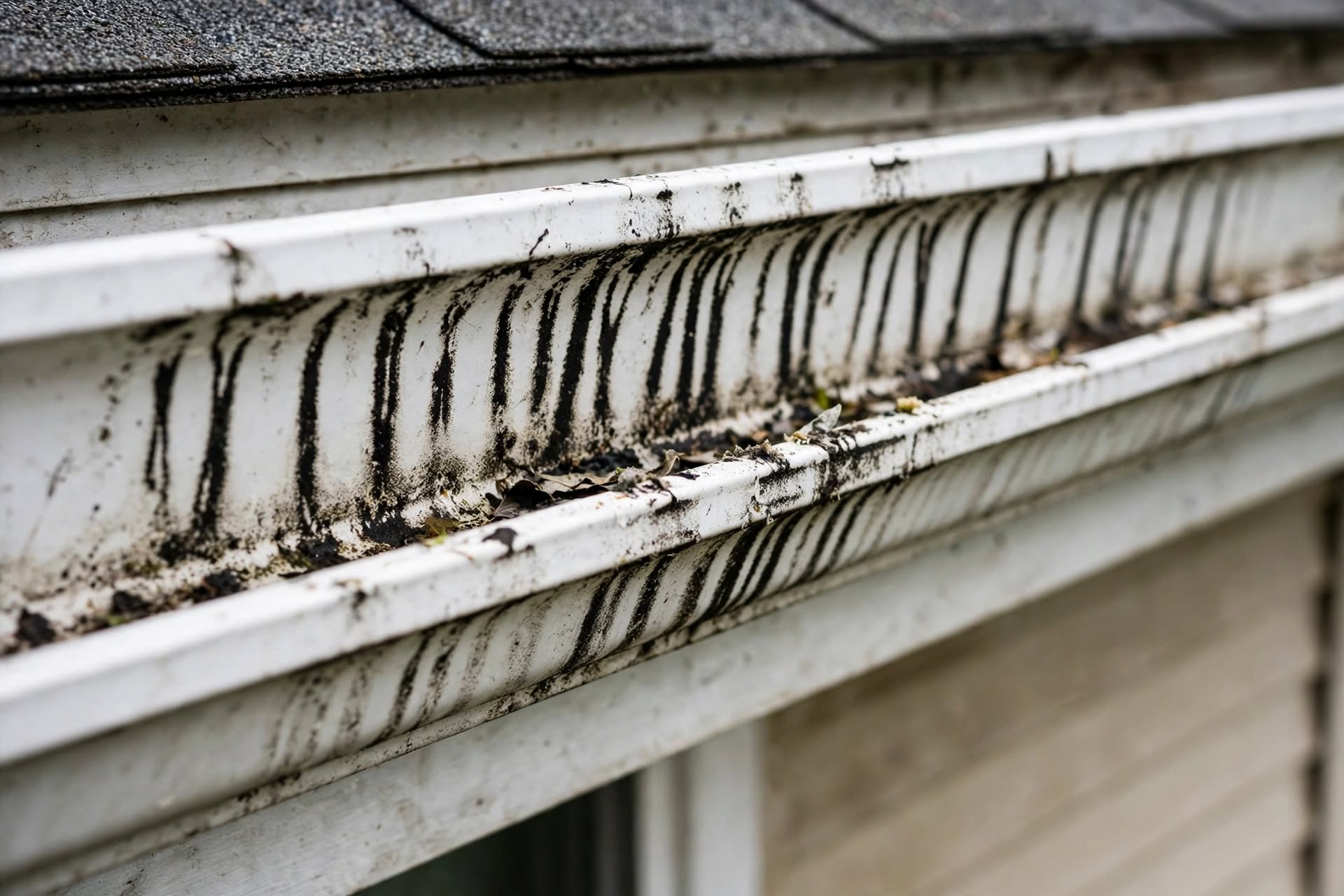
Those dark streaks are not just cosmetic. Algae and the biological growth that causes staining absorbs heat rather than reflecting it. A roof covered in dark organic buildup is going to get hotter than a clean one under the same sun, and that heat transfers into the attic and eventually into the living space below.
The Science Behind It
Roofing materials, especially asphalt shingles, are designed with reflectivity in mind. The granules on shingles help deflect UV rays and keep the roof surface temperature from rising too fast. When those granules get coated in algae or biological debris, that reflective property takes a hit.
Research has shown that roof surface temperatures can differ by 10 to 20 degrees Fahrenheit depending on how much organic material is present. In a Texas summer, that gap matters. A hotter roof means a hotter attic, and a hotter attic means the air conditioning system has to work harder to maintain indoor temperatures.
How Roof Cleaning Addresses the Problem
Soft washing is the method used for most residential roofs. It involves low-pressure application of cleaning solutions that break down algae, moss, and staining at the source without damaging shingles. High-pressure washing is not used on roofing materials because it can strip granules and shorten the life of the roof.
After a soft wash treatment, the roof surface returns to a cleaner condition that is closer to what it looked like when the shingles were installed. That means the reflective properties of the granules are no longer being blocked by years of organic growth.
What to Expect After Cleaning
The change after roof cleaning is noticeable, especially on roofs that have had significant dark streaking for several years. The surface looks lighter, and in some cases the change is striking. Beyond appearances, the practical effect is that less heat is being absorbed into the roofing material during peak sun hours.
Most homeowners in Texas notice the biggest difference in June, July, and August. Those are the months when the sun is most direct and temperatures stay high even after sunset. A roof that has been cleaned is better positioned to handle that kind of heat load without passing as much of it into the attic below.
The Connection to Attic Temperature
The attic is the key connection between the roof and the living space. In most homes, insulation in the attic does a lot of the work of keeping conditioned air inside. But when attic temperatures climb very high, even good insulation has a harder time doing its job.
A clean roof does not solve every attic heat problem, and it works best in combination with proper ventilation and insulation. But it is a legitimate contributing factor, and for homes in areas like Arlington where summer heat is consistent and prolonged, it is worth factoring in as part of a broader approach to energy management.
Timing Matters in Texas
Roof cleaning is most useful when done before the hottest months of the year. Getting it done in late spring gives the roof the best opportunity to reflect heat during the period when it matters most. That said, cleaning at any point in the year still removes the organic buildup that has been reducing reflectivity, so there is no bad time to schedule it.
Advanced Roof & Exterior Cleaning as a System
Roof cleaning on its own does a lot of good, but it tends to work even better when it is part of a broader exterior cleaning plan. Gutters that are clogged with debris can trap moisture against the fascia and roofline, which feeds the kind of biological growth that shows up on shingles. House washing removes mold, mildew, and algae from walls and soffits that can spread back onto the roof if left in place.
Addressing the roof and exterior together means treating the sources of buildup rather than just the visible effects. It also means the results tend to last longer, because clean surfaces around the roof are less likely to reintroduce organic material back onto the shingles over the following months.
Advanced Roof & Exterior Cleaning as Part of Long-Term Maintenance
Scheduling roof and exterior cleaning on a regular basis, rather than waiting until the buildup is obvious, keeps the reflective surface of the shingles in better condition year over year. A roof that is cleaned every couple of years does not accumulate the same level of heat-absorbing growth as one that goes five or six years between treatments.
For Texas homeowners looking at their energy bills and trying to find areas to address, the roof is one that often gets skipped. Getting it cleaned before summer is a practical step that reduces the heat load on the home during the months when every degree of attic temperature makes a difference to the air conditioning system running below.
Making the Investment Make Sense
Roof cleaning is not the single answer to a high energy bill, but for homes in Texas that have noticeable algae staining or dark streaking, it contributes to better thermal performance during summer. It also extends the life of the shingles by removing biological growth that slowly breaks down roofing material over time. Combined with proper insulation and ventilation, a clean roof is one of the lower-cost ways to take some of the strain off an air conditioning system that already runs more than it should during a Texas summer.