Solar panels are becoming one of the most common home upgrades in Texas, and it’s easy to see why. Electricity costs in the DFW area keep climbing, and the Texas sun is one of the most reliable energy sources available. Homeowners across Arlington and the surrounding communities are locking in solar quotes and scheduling installations at a faster rate than ever before.
But in the middle of all that planning, most homeowners skip a step that actually matters a lot: cleaning the roof before the panels go up.
It sounds like a small thing. It’s not.
What’s Already Growing on Your Roof
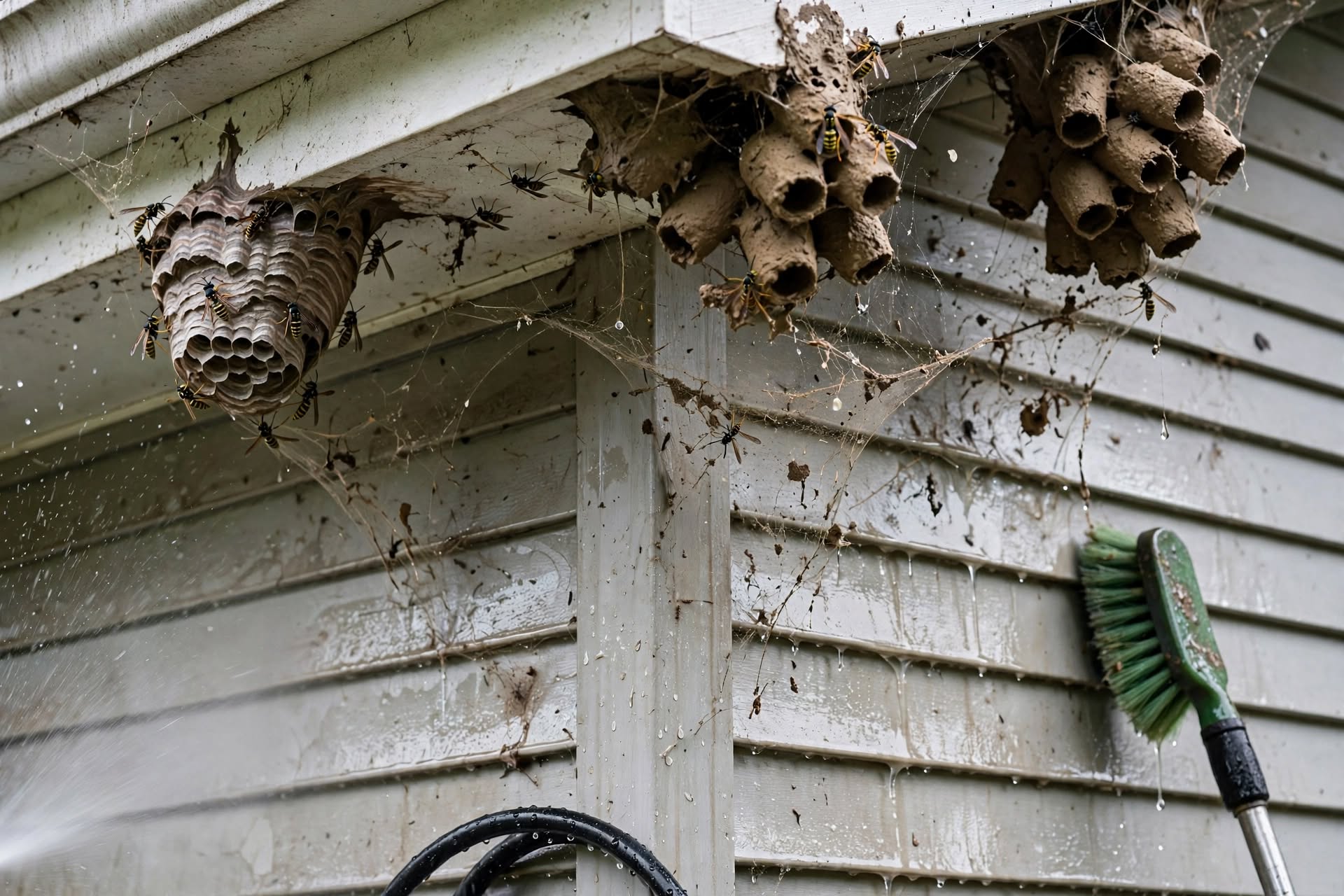
If your roof is a few years old and has never been professionally cleaned, there’s likely algae, moss, or lichen growing on it right now. In North Texas, the combination of heat and humidity creates conditions where that kind of biological growth spreads fast, especially on asphalt shingle roofs.
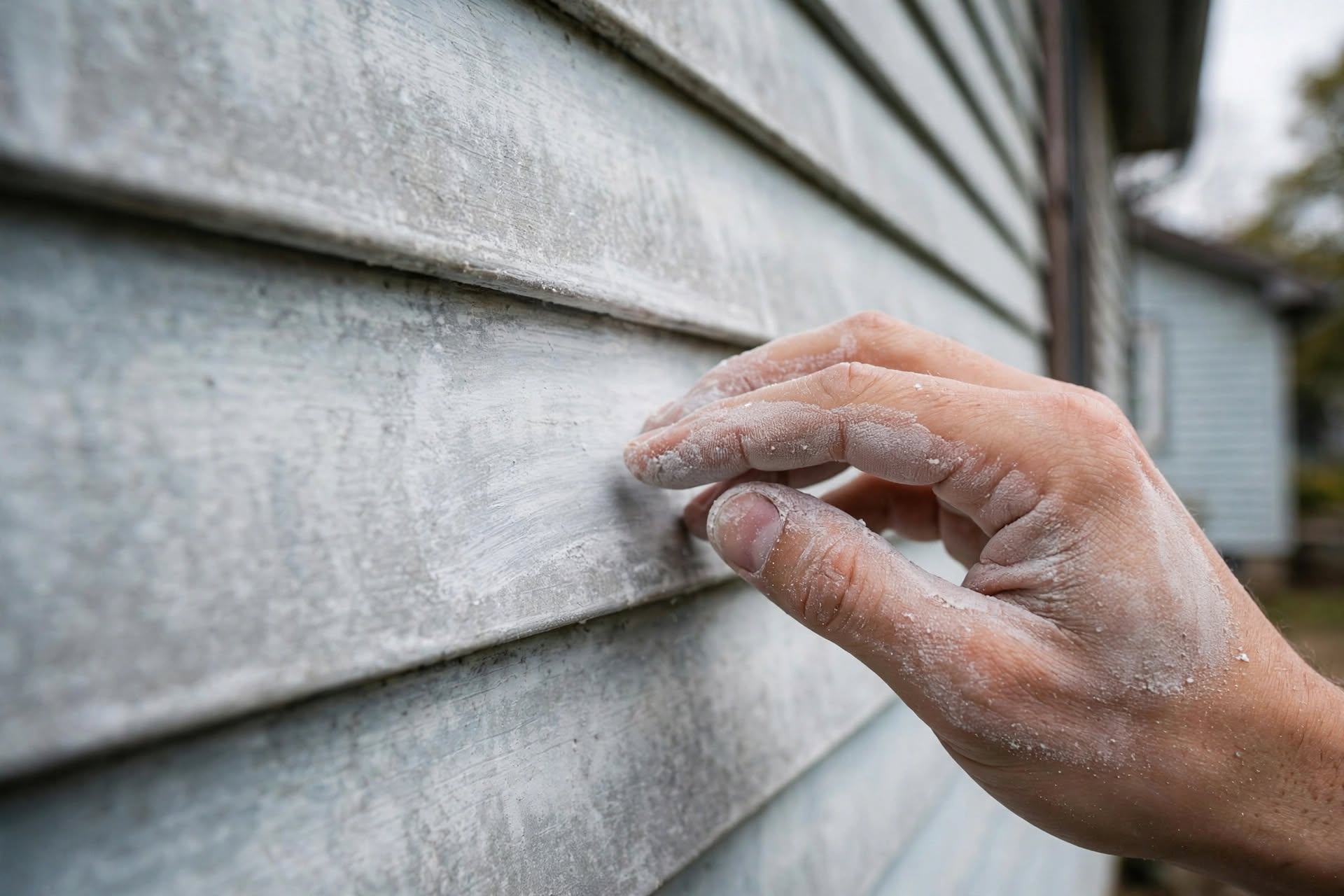
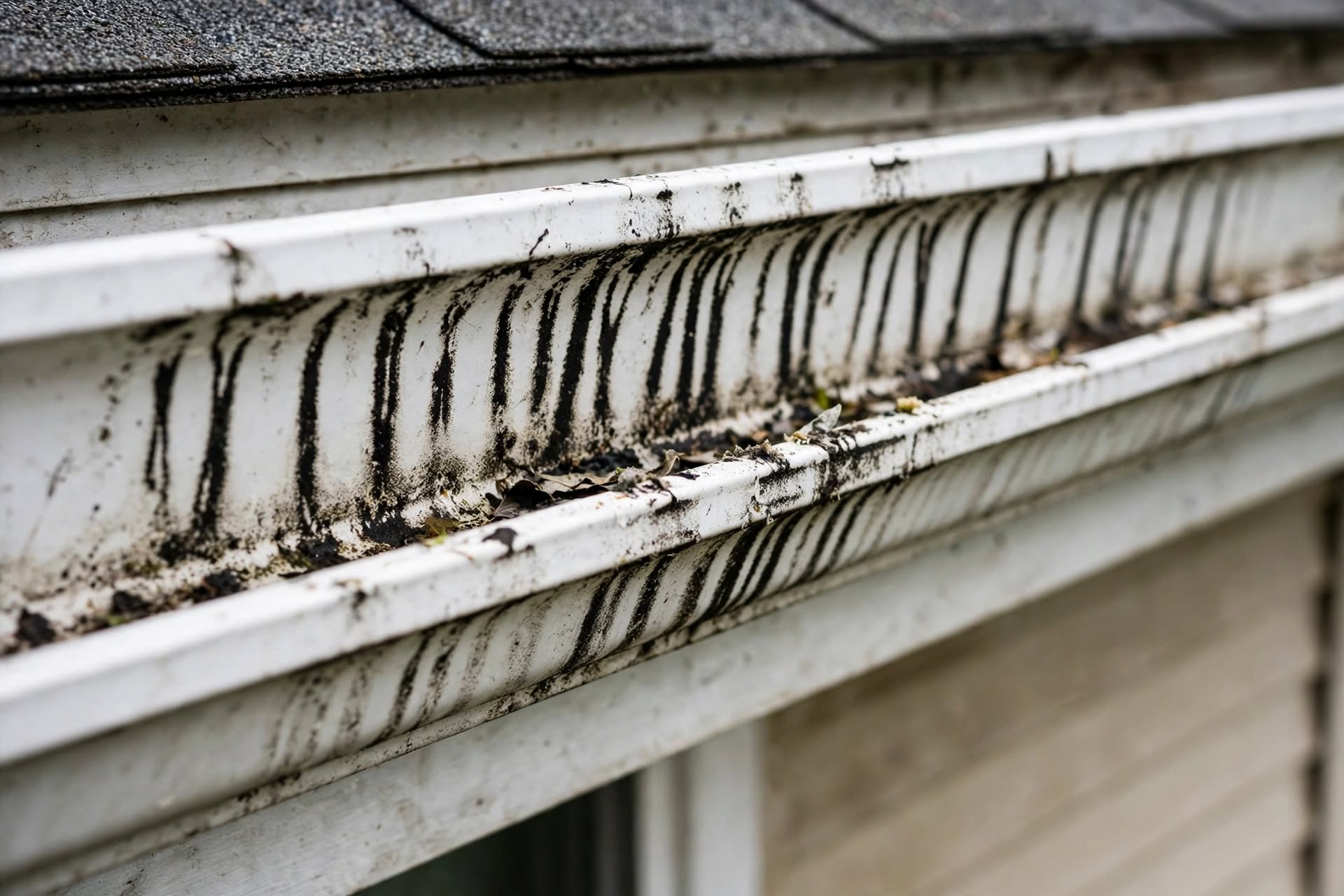
The black streaking you see on roofs throughout Arlington and Mansfield neighborhoods is almost always Gloeocapsa magma, a type of algae that feeds on the limestone filler in asphalt shingles. It doesn’t just stain. It breaks down the shingle material over time. Moss does similar damage and holds moisture against the roof surface, which accelerates deterioration in the layers underneath.
Lichen is the most stubborn of the three. It attaches to roofing material with root-like structures and pulls granules away from shingles as it grows. By the time it’s visible, it has usually been there for a while.
None of this is cosmetic. Algae, moss, and lichen are actively degrading your roof while they’re on it.
Why This Matters Specifically Before Solar
When a solar installation crew mounts panels, they drill into the roof decking and attach racking hardware that will sit in place for 25 to 30 years. Those anchor points need to go into healthy, solid roofing material. If the shingles underneath are already weakened from biological growth or moisture exposure, you’re setting up those mount points to fail over time. That means leaks, premature shingle failure, and repairs that are far more complicated once panels are already installed above them.
There’s also an access issue. Once solar panels cover a section of your roof, cleaning or inspecting that section becomes a much bigger job. Any damage or growth hiding under those panels stays hidden until it’s a real problem. Getting the roof cleaned before installation gives you a clear view of the entire surface before anything is bolted down.
Soft Washing, Not High-Pressure Washing
Most people hear “pressure washing” and picture high-pressure water blasting a surface. That method works well on concrete and driveways, but it’s the wrong approach for roofs.
High-pressure washing on asphalt shingles strips granules, shortens the life of the roof, and can void manufacturer warranties. It can also force water under shingles and into the decking, creating the exact moisture damage you’re trying to prevent.
The right method for roofs is soft washing. Soft washing uses low water pressure combined with a professional-grade cleaning solution that kills algae, moss, lichen, and mildew at the root. The solution does the actual cleaning work. The pressure is just enough to apply and rinse without damaging the shingles underneath.
What the Process Looks Like
A professional roof soft wash takes a few hours depending on the size and pitch of the roof. The cleaning solution is applied across the surface and given time to dwell and break down organic growth. After the dwell period, the roof is rinsed at low pressure.
Results are visible immediately. Black streaking disappears. Moss and algae are dead at the root. The roof surface looks the way it’s supposed to look, and more importantly, it’s structurally clean for the next step.
After the roof dries, you have a full, clear picture of the condition of every section before installation begins. That’s information worth having.
Protecting a 25-Year Investment
A full residential solar installation in Texas typically runs between $15,000 and $30,000, sometimes more. Panel warranties commonly span 25 years. Putting that kind of investment on an uncleaned roof doesn’t make a lot of financial sense.
Getting the roof cleaned first also gives you the opportunity to identify shingles that may need replacement before panels go up. Solar installers are not roofers. They’re focused on the installation, not on flagging roofing problems. A professional roof cleaning gives you that surface-level inspection before anything is permanently mounted.
Timing Your Roof Cleaning
The best time to schedule a roof cleaning is a few weeks before your solar installation date. That gap gives the roof time to dry completely and gives you time to schedule any repairs if the cleaning reveals damage you weren’t aware of.
If your solar install is on the calendar for the next month or two, booking the roof cleaning now puts you ahead of that timeline.
It’s One of the Smartest Steps You Can Take Before Going Solar
Roof cleaning before solar installation protects the structural integrity of your roof at the mounting points, removes biological growth that will keep damaging your shingles, and gives the installation crew a clean, solid surface to work on from day one.
Texas homeowners investing in solar are thinking long-term. Getting the roof professionally cleaned before installation is one of the most practical ways to protect that investment before the first panel ever goes up.