Most homeowners in Arlington pay close attention to their driveways and home exteriors when it comes to cleaning, but fences tend to get overlooked until the problem is hard to ignore. By the time a fence looks visibly dirty or discolored, organic growth has usually been building on it for a while. Getting ahead of that process is easier than reversing it, and knowing how fence washing works makes the decision a lot simpler.
This guide covers the main fence materials in the Arlington area, what builds up on them, and what the cleaning process looks like for each.
Why Fences Get Dirty Faster Than You Think
Arlington’s climate is one of the main reasons fences deteriorate faster here than in drier parts of the country. The combination of heat and humidity creates ideal growing conditions for algae, mildew, and mold on exterior surfaces. Fences sit close to the ground, often in partial shade from trees or the home itself, which means they stay damp longer after rain.
Fences also accumulate airborne dirt and pollen throughout the year. North Texas has long pollen seasons, and that pollen settles on every outdoor surface. When it mixes with moisture and sits on wood or vinyl, it creates a film that organic growth feeds on. Over time, that buildup turns into visible staining that gets worse with each season.
The Most Common Fence Materials in Arlington
Wood Fences
Wood is the most common fence material in Arlington neighborhoods, and it requires the most attention. Cedar and pine are both used frequently, and both absorb moisture in ways that vinyl and metal don’t. When moisture gets into wood fiber, it creates conditions where mold and mildew can grow inside the material, not just on the surface.
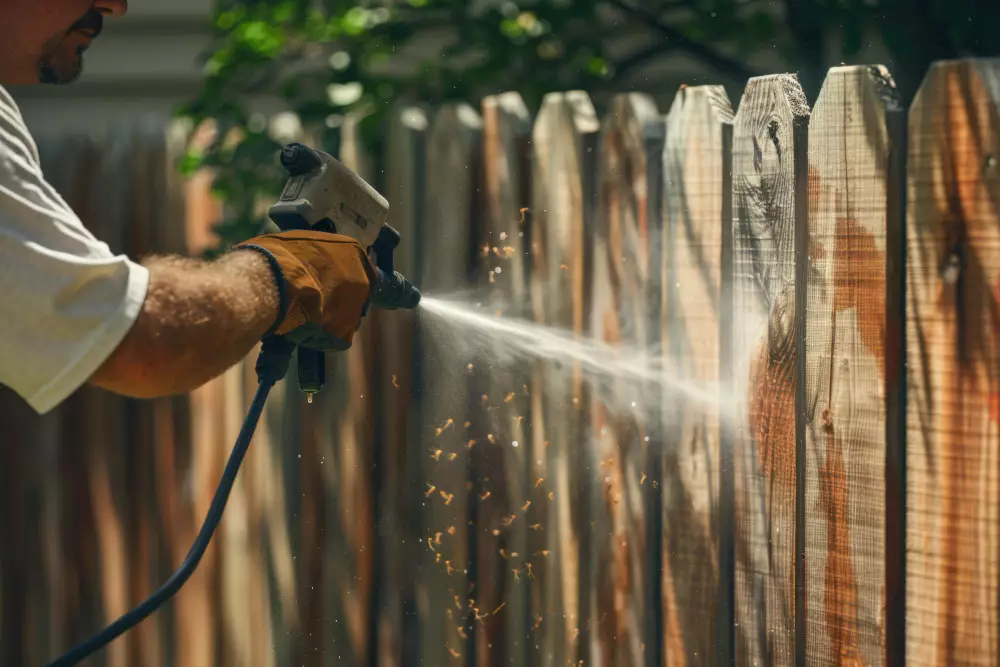
The graying that happens on old wood fences is partly weather exposure and partly biological. Mildew and algae contribute to that discoloration, and professional cleaning can reverse a significant amount of it. The goal is to clean the wood thoroughly without saturating it or raising the grain, which means using lower pressure with a cleaning solution rather than blasting it with high-pressure water.
Vinyl Fences
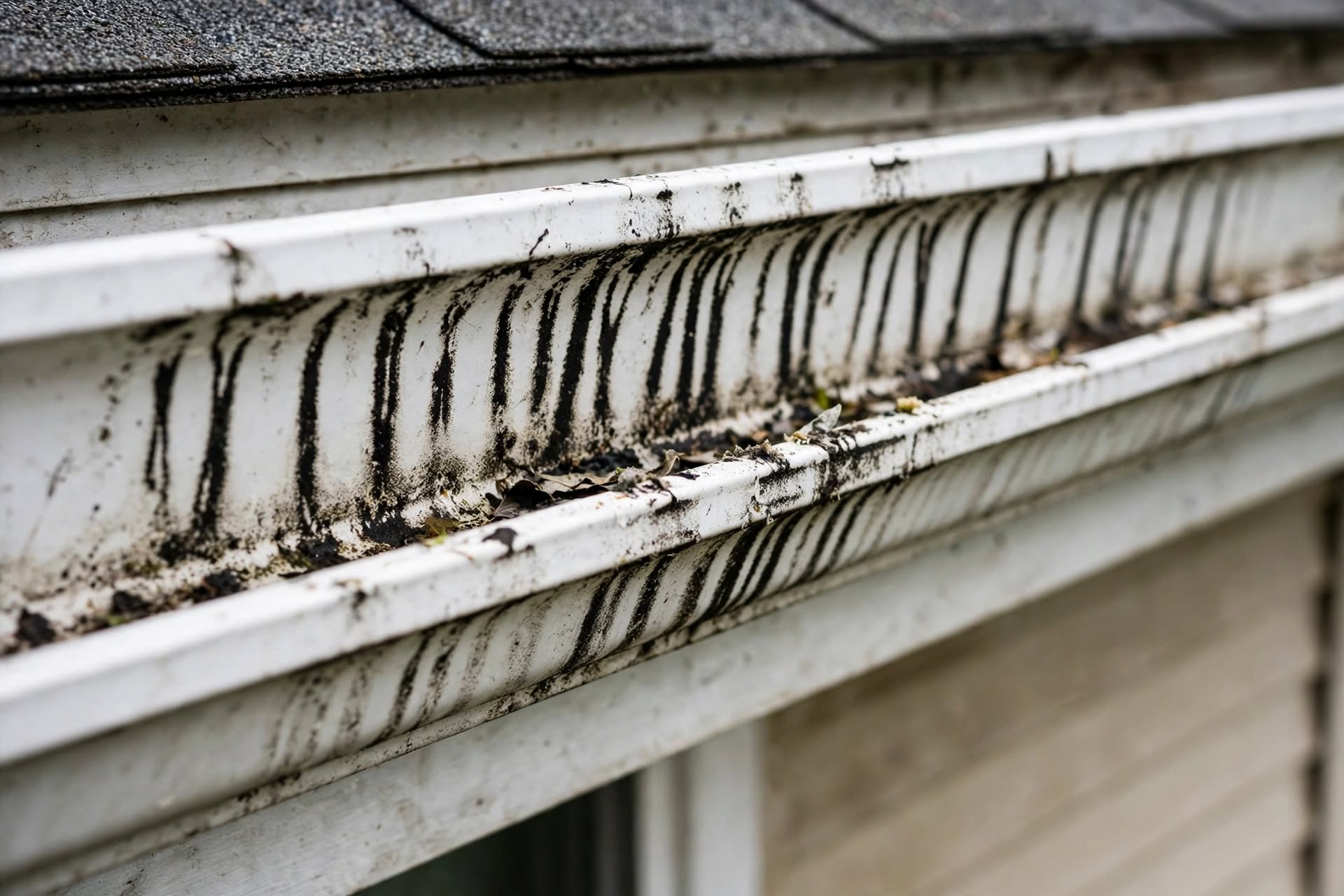
Vinyl fences are marketed as low maintenance, and compared to wood, they are. But low maintenance doesn’t mean no maintenance. Algae and mildew grow on vinyl surfaces the same way they grow on any other exterior material. Green streaking, dark patches near the base, and a general dingy appearance are all signs that a vinyl fence needs cleaning.
Vinyl is more forgiving than wood when it comes to cleaning methods, but it still shouldn’t be hit with high pressure at close range, which can crack or warp the panels over time. A soft wash approach or moderate pressure at the right distance cleans vinyl effectively without causing damage.
Metal & Aluminum Fences
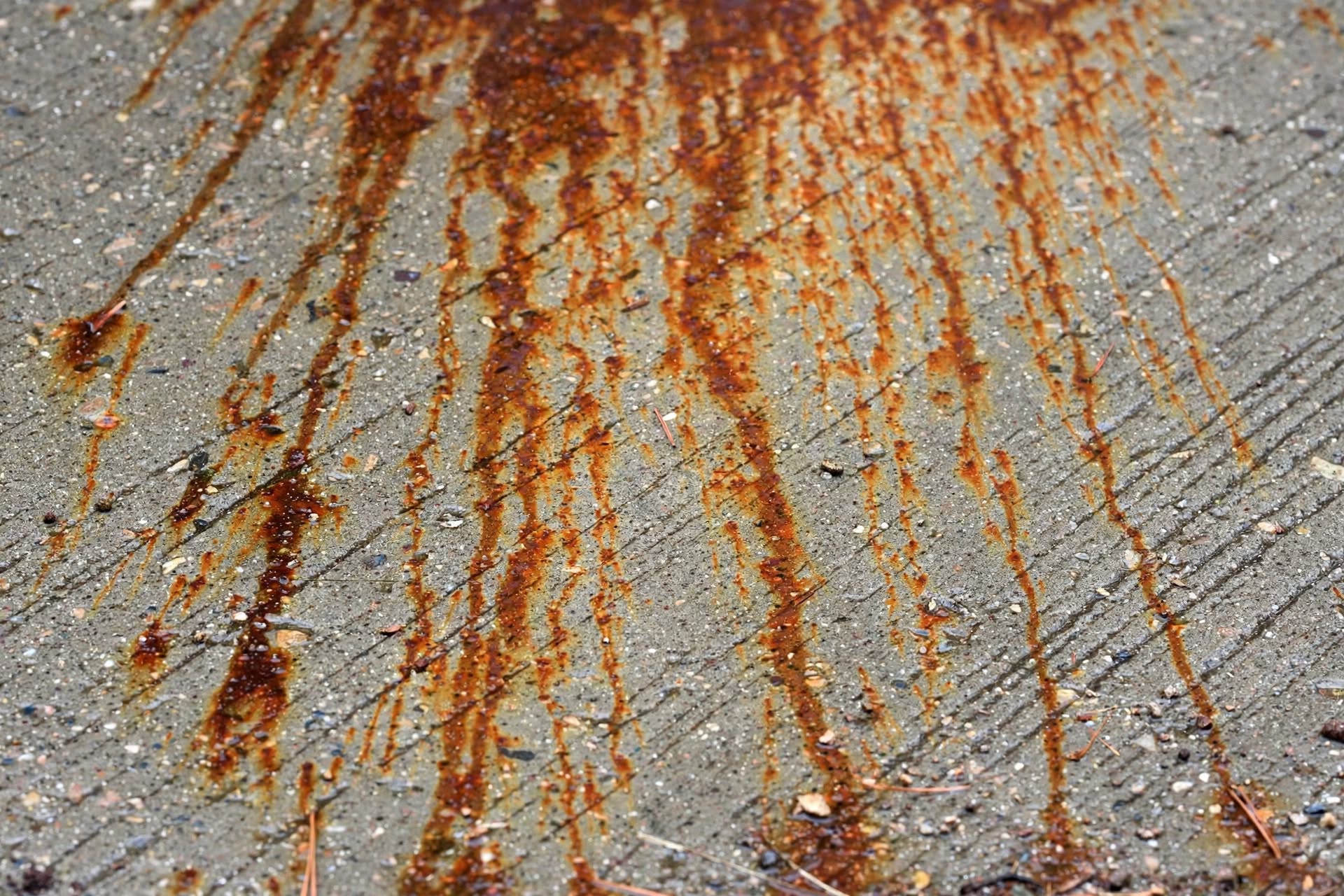
Metal fences, including wrought iron and aluminum styles common in older Arlington properties, collect rust, oxidation, and dirt over time. Pressure washing removes surface dirt and some oxidation, but metal fences may also need rust treatment before or after cleaning depending on their condition. The pressure washing process for metal fences focuses on clearing buildup without damaging any coating or finish on the metal.
Chain link fences tend to collect dirt in the mesh and along the bottom rail where debris and organic material pile up. Pressure washing cleans the mesh efficiently and removes the grime that collects at the base.
What the Cleaning Process Looks Like
Wood Fence Cleaning
For wood fences, the process typically starts with a cleaning solution applied to the entire surface. The solution breaks down mildew, algae, and embedded dirt. After a dwell period, the fence is rinsed at controlled pressure, working with the grain of the wood to avoid raising it. In some cases, a wood brightener is applied after cleaning to restore the natural tone of the wood and prep the surface for staining or sealing if the homeowner plans to do that afterward.
Vinyl Fence Cleaning
Vinyl cleaning uses either a soft wash approach with a cleaning solution or a moderate pressure rinse depending on the level of buildup. For fences with heavy algae growth near the base, the cleaning solution is especially important since it kills the growth rather than just moving it around. The result is a fence that looks close to the original color without any scrubbing required from the homeowner.
When to Schedule Fence Washing
Spring is the most common time Arlington homeowners schedule fence washing because pollen season has just finished and the summer growth conditions are about to begin. Cleaning in spring removes the winter and spring buildup before heat and humidity accelerate any remaining growth through summer.
Fall is a good second option, especially for wood fences that the homeowner plans to stain or seal before winter. Cleaning in fall removes the summer’s worth of buildup and gives the fence time to dry before any protective treatment is applied.
How Often Fences Need to Be Cleaned
For most Arlington properties, fence washing every one to two years is enough to keep organic growth from getting established. Wood fences benefit from annual cleaning, especially if they’re in shaded areas where moisture stays longer. Vinyl and metal fences can typically go two years between cleanings under normal conditions.
Getting the Fence Ready for Whatever Comes Next
For homeowners planning to stain or seal a wood fence, cleaning is the necessary first step. Stain and sealant don’t adhere properly to a surface that has mildew or dirt on it. A professional cleaning removes that layer and gives the new treatment something solid to bond to. Skipping the cleaning step means the stain peels faster and the fence needs refinishing sooner than it should.
Keeping the fence clean also extends the life of the material itself. Mildew breaking down wood fiber, algae trapping moisture against vinyl, and rust spreading on metal are all processes that cleaning interrupts. The fence lasts longer when it stays clean, which is one of the more straightforward maintenance returns available to Arlington homeowners.