A lot of homeowners stop at cleaning when they take care of their driveway, and it makes sense on the surface. The pressure washing gets done, the concrete looks clean, and everything seems fine. But there is a step that gets left out more often than it should, and skipping it means the cleaning does not hold up nearly as long as it could.
Sealing after a driveway cleaning is one of those things that makes a real difference in how long the results last and how the surface holds up to everyday use.
What Happens to Concrete After Cleaning
Pressure washing opens up the pores in concrete. That is part of what makes it effective: the water and cleaning solution gets into the surface and pulls out dirt, oil, algae, and other buildup that has worked its way in over time. After the cleaning, the surface is not just clean, it is also more open and more receptive to whatever comes next.
If nothing comes next, what happens is that the same process starts over. Oil from vehicles drips onto the concrete and works its way in. Rain carries organic material across the surface. UV exposure starts to break down the top layer of the concrete. Within a few months, the driveway looks noticeably less clean than it did right after the wash, and the cycle continues.
Concrete Is More Porous Than It Looks
Most people think of concrete as a solid, dense material, and it is dense compared to something like soil or wood. But at a microscopic level, concrete has pores and small gaps throughout the surface. Those gaps are exactly where contaminants settle in and where staining starts.
A driveway that has been cleaned but not sealed is an open surface waiting to collect whatever lands on it. The cleaning removed the existing buildup, but it did not change the fact that the material is porous and will absorb things again as soon as regular use resumes.
What Sealing Does
A concrete sealer applies a protective layer over the surface that fills those pores and limits how much material can get in. There are different types of sealers, and the right one depends on the finish and use case, but the general principle is the same: the sealer sits between the concrete and the environment and reduces absorption significantly.
Oil stains are a good example of why this matters. On an unsealed driveway, an oil drip from a vehicle works into the concrete within a short time and leaves a stain that is difficult to remove. On a sealed surface, the oil sits on top of the sealer rather than absorbing into the concrete, and it can usually be cleaned off before it causes permanent discoloration.
Protection Against Weather
In Arlington and the broader DFW area, concrete driveways deal with a lot. Summer heat causes expansion, and winter cold causes contraction. That cycle of expansion and contraction puts stress on the surface over time, and water that gets into the pores of unsealed concrete makes it worse. When water finds its way into small cracks and then freezes, it expands and widens those cracks.
Texas does not get the same freeze-thaw cycles as states further north, but even the occasional cold snap causes some of that damage. A sealed driveway has less water infiltration to begin with, which means there is less opportunity for that kind of deterioration over time.
Timing the Sealing After a Wash
The timing between cleaning and sealing matters. Concrete needs to be fully dry before a sealer is applied, which typically means waiting at least 24 to 48 hours after pressure washing. Applying sealer to damp concrete causes adhesion problems and can trap moisture under the surface, which leads to issues down the line.
Beyond dryness, some contractors recommend waiting a few days to allow any residual cleaning chemicals to fully dissipate before applying the sealer. The goal is to give the sealer the best possible bonding conditions so it lasts as long as it is designed to.
How Long Sealer Lasts
Most concrete sealers on a residential driveway last somewhere between two and five years depending on the product, the traffic the driveway gets, and how much sun exposure it receives. UV exposure degrades sealers over time, which is something to factor in for Texas driveways that get full sun for most of the year.
Re-sealing is typically a straightforward process when it is done on a maintained surface. A driveway that has been sealed and kept up is easier to reseal than one that has been allowed to deteriorate and requires a full cleaning cycle before the next application can go down.
The Practical Difference Over Time
The gap between a sealed and unsealed driveway becomes clear over a period of a few years. Both driveways start at the same point right after a cleaning. The unsealed one gradually accumulates staining, takes on oil marks, and starts to show the effects of sun and weather. The sealed one holds its appearance for a longer period and is easier to maintain when it does get dirty.
Staining Is Harder to Prevent Than to Stop
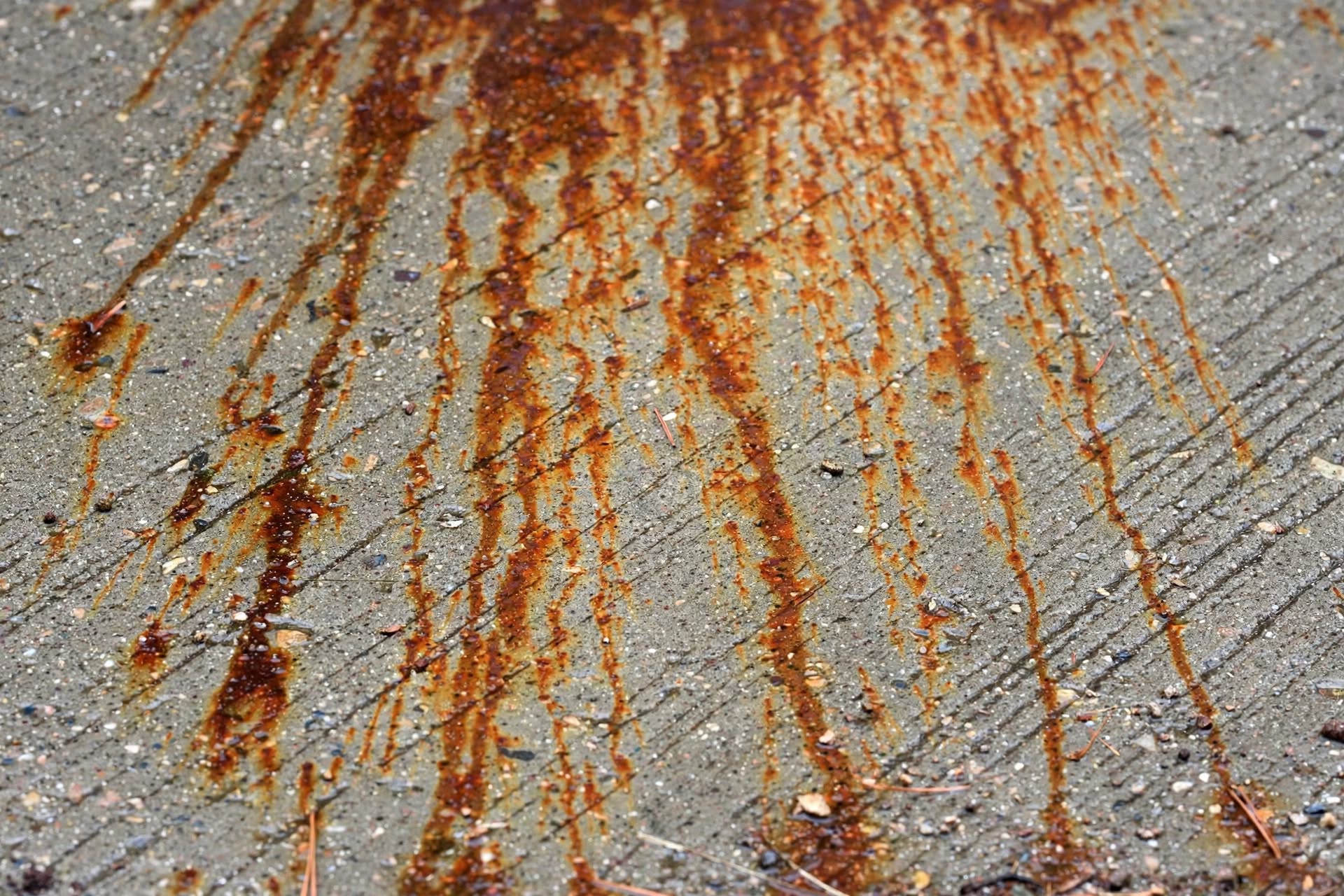
One thing that homeowners learn after dealing with driveway staining is that removing a set stain is much harder than preventing it in the first place. Pressure washing can lift a lot, but some oil and rust staining that has been left in place for an extended time will not fully come out without significant effort or treatments that can be hard on the surface.
Sealing does not make a driveway stain-proof, but it slows down absorption enough that most stains can be addressed before they become a long-term problem. That is a much easier position to be in than trying to remove something that has been sitting in the concrete for months.
Making the Most of a Driveway Cleaning
For homeowners who are putting money into pressure washing their driveway, sealing is the step that protects that investment. The cleaning does the work of removing what is already there, and the sealer reduces how much gets in next time. Together, the two steps produce results that last substantially longer than cleaning alone.
It is also worth thinking about sealing in terms of the driveway’s overall lifespan. Concrete driveways are a significant part of a property, and they are expensive to replace. Keeping the surface in good condition through regular cleaning and sealing extends that lifespan and keeps a property looking well-maintained without requiring a major investment.