Arlington has a significant number of HOA communities, from newer developments near I-20 to established neighborhoods closer to downtown. If you live in one of them, you already know the HOA sends notices for things you might not have expected to matter. Parking violations, lawn length, fence conditions, and yes, the appearance of your home’s exterior.
Exterior cleaning violations are actually one of the more common HOA notice triggers. Algae stains on siding, black streaks on the roof, dirty driveways, and moss-covered walkways all fall into the category of property maintenance under most HOA governing documents. And the notices don’t come with a lot of lead time.
If you’ve gotten one of those letters, or you want to avoid getting one, knowing what exterior cleaning covers and how to stay ahead of HOA standards is worth your time.
What HOA Documents Usually Say About Exterior Appearance
Most HOA CC&Rs include language about maintaining the exterior of the home in good condition and in keeping with the standards of the community. The specific wording varies, but the general idea is consistent: your home should look like the neighbors around it.
That language typically covers the roof, siding, driveway, walkways, and sometimes fencing and decks. Algae and mildew staining on any of those surfaces is usually enough to trigger a compliance notice, especially in communities with active architectural review committees.
In Texas, where heat and humidity drive organic growth on exterior surfaces year-round, homes can go from clean to visibly stained faster than homeowners expect. A house washed in spring may start showing algae streaks on the north-facing siding by fall.
Common Exterior Issues That Trigger HOA Notices
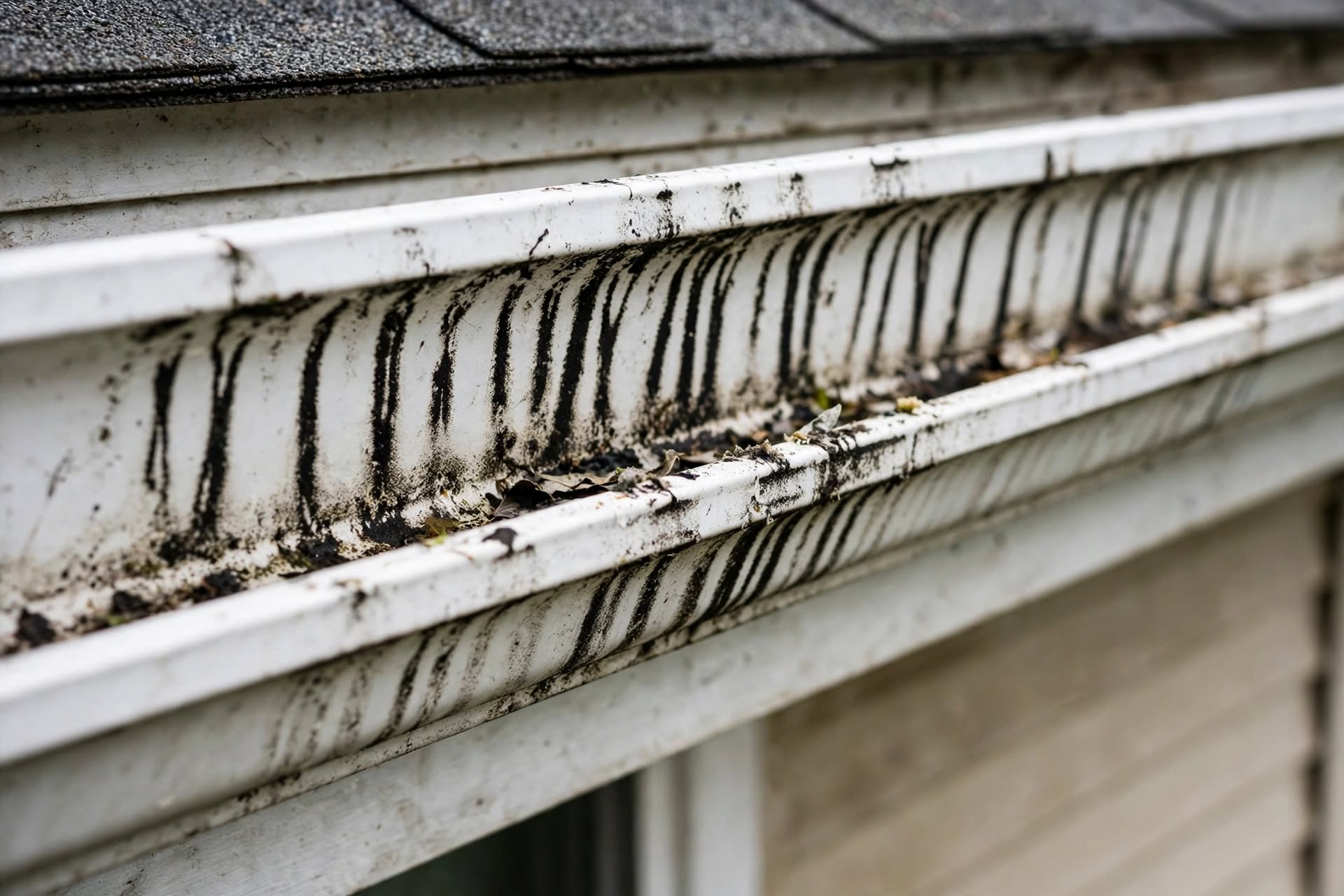
The most frequent complaints involve roof staining, siding discoloration, and dirty driveways. In practice, these are almost always caused by biological growth rather than simple dirt. Algae, mildew, moss, and lichen are the actual culprits in most cases, and they spread from one surface to another when left untreated.
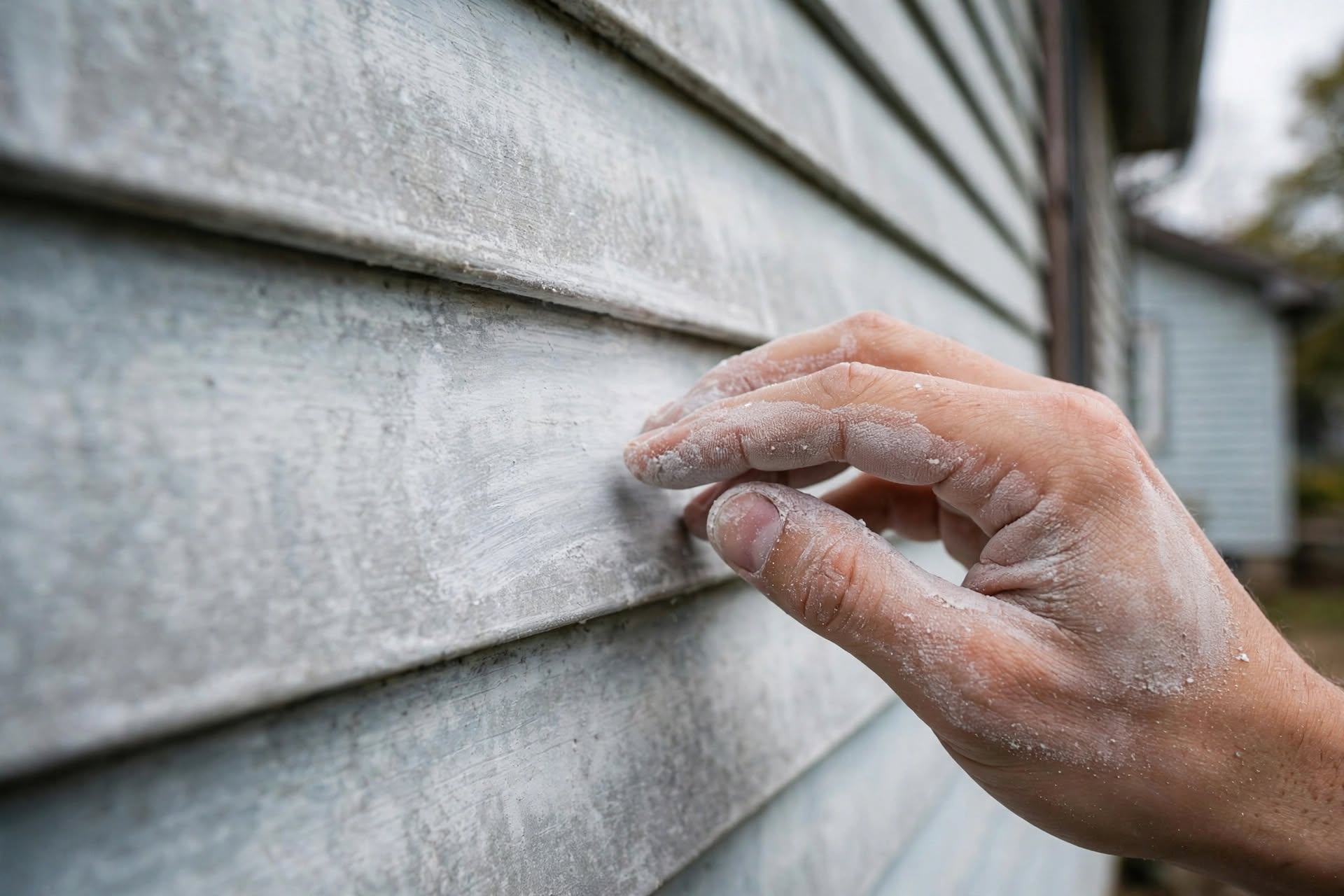
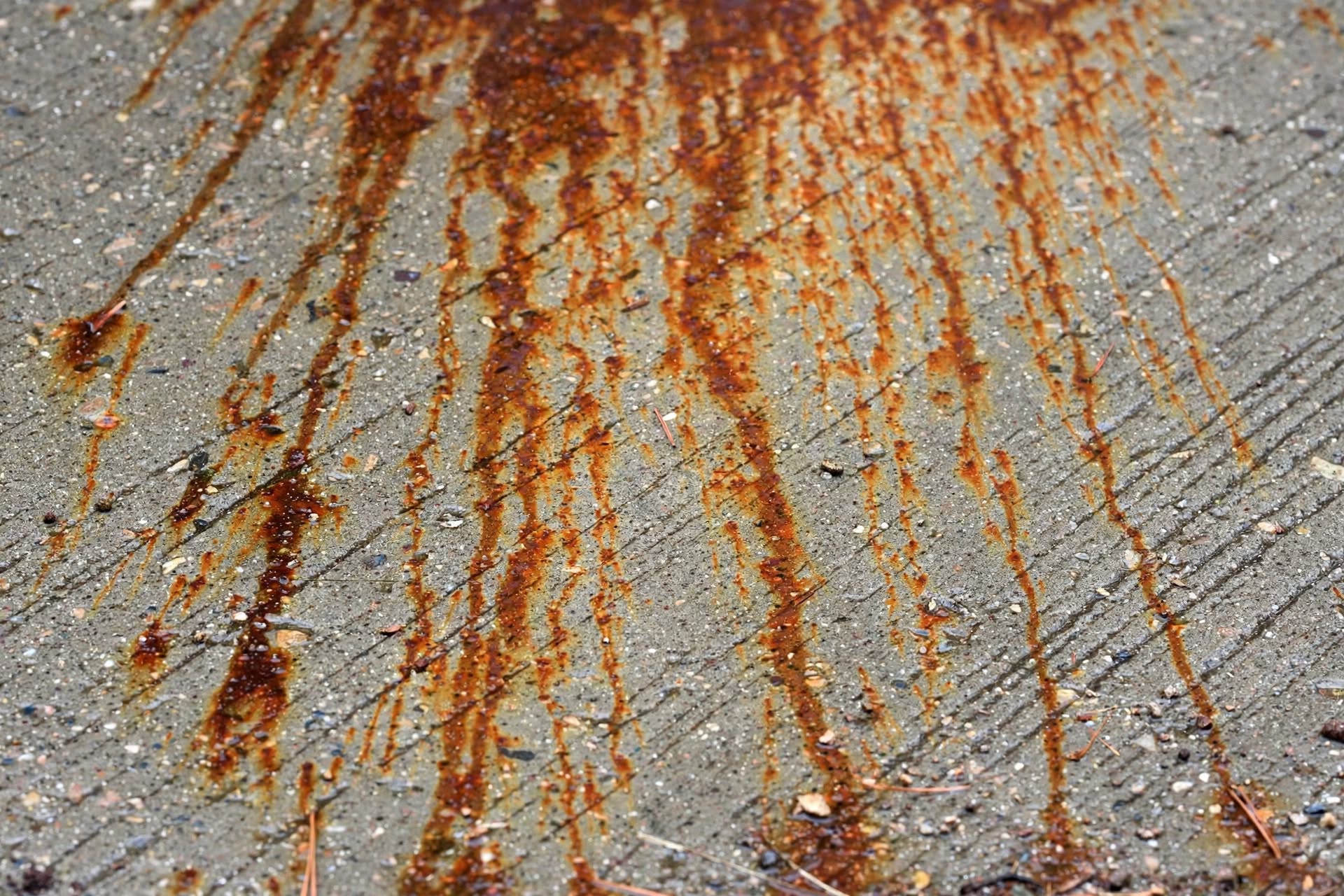
Roof staining from algae shows up as dark horizontal streaking across shingles. Siding algae usually starts in shaded areas and spreads in patches. Driveways develop green or black tinting from algae and mildew that builds up in the textured surface of concrete over time.
None of these are things you can address with a garden hose and a brush. They require professional cleaning to remove properly.
How Exterior Cleaning Addresses Each Issue
Pressure washing and soft washing services target exactly the kind of buildup that HOA documents flag. Each surface requires a slightly different approach.
Roof Soft Washing
Roofs need soft washing, not high-pressure cleaning. A low-pressure application of professional cleaning solution kills algae and removes staining without damaging shingles or voiding warranties. This is the right method for the black and gray streaking that shows up on most asphalt roofs in the DFW area.
House Washing
Siding, brick, stucco, and painted surfaces are cleaned with soft wash techniques as well. The cleaning solution applied to the exterior kills biological growth at the root, which means the results last longer than a surface rinse. High-pressure washing on siding can force moisture behind panels and cause damage, so soft washing is the preferred method for most home exteriors.
Concrete & Driveway Cleaning
Driveways, sidewalks, and patios are where high-pressure cleaning makes the most sense. Surface cleaners spread the pressure evenly across flat concrete, removing embedded grime, tire marks, and biological staining without leaving stripe marks. A clean driveway makes a significant visual difference and is one of the easier items to address before an HOA deadline.
Getting Ahead of Notices Rather Than Responding to Them
Most HOA violation notices come with a cure period, usually 14 to 30 days. That’s not a lot of time to research services, get quotes, and schedule a job, especially if your community has several other homeowners in the same situation trying to book cleaning at the same time.
The better approach is to schedule exterior cleaning proactively, before inspection season or before the conditions on your property reach a level that draws attention. In North Texas, spring and fall tend to be the most active periods for HOA inspections. Scheduling a cleaning in late winter or early summer puts you ahead of that window.
What Proactive Maintenance Looks Like
Scheduling a house wash and roof cleaning once a year, or at minimum every 18 months, is enough to stay ahead of most HOA standards in the Arlington area. Driveway cleaning can be added to that schedule or done separately depending on the level of traffic and staining.
Some homeowners in communities with active HOAs build exterior cleaning into their annual maintenance budget the same way they budget for lawn care. It’s one of the more predictable expenses, and it prevents the scramble that comes with a violation notice and a hard deadline.
Staying Compliant Isn’t Just About the Notice
There’s a practical benefit to keeping your home’s exterior clean that goes beyond HOA compliance. Algae and mildew growth on siding, roofs, and concrete accelerates surface deterioration when left untreated. Keeping those surfaces clean extends their lifespan, which matters both for long-term homeowners and anyone planning to sell in the next few years.
In HOA communities across Arlington, homes that are well-maintained on the outside tend to hold value better and attract more buyer interest. Curb appeal isn’t just a selling point. In a community with appearance standards, it’s a requirement, and staying on top of exterior cleaning is one of the more straightforward ways to meet it.