Managing an apartment property means keeping a lot of moving parts in order. Leasing, maintenance requests, landscaping, parking, and common area upkeep all compete for time and budget. Exterior cleaning tends to fall lower on the priority list until the property looks visibly worn, at which point it is already affecting how prospective tenants see the place and how current tenants feel about living there.
Pressure washing maintenance plans for apartment properties are built around the idea that scheduled, recurring cleaning is more cost-effective and produces better results than reactive cleaning after the fact.
Why Apartment Exteriors Deteriorate Faster Than Single-Family Homes
Apartment buildings have higher occupant density than single-family homes, which means more foot traffic on walkways, more vehicles in the parking areas, more use of common spaces, and more general activity across the property. All of that accelerates the rate at which surfaces accumulate dirt, biological growth, and staining.
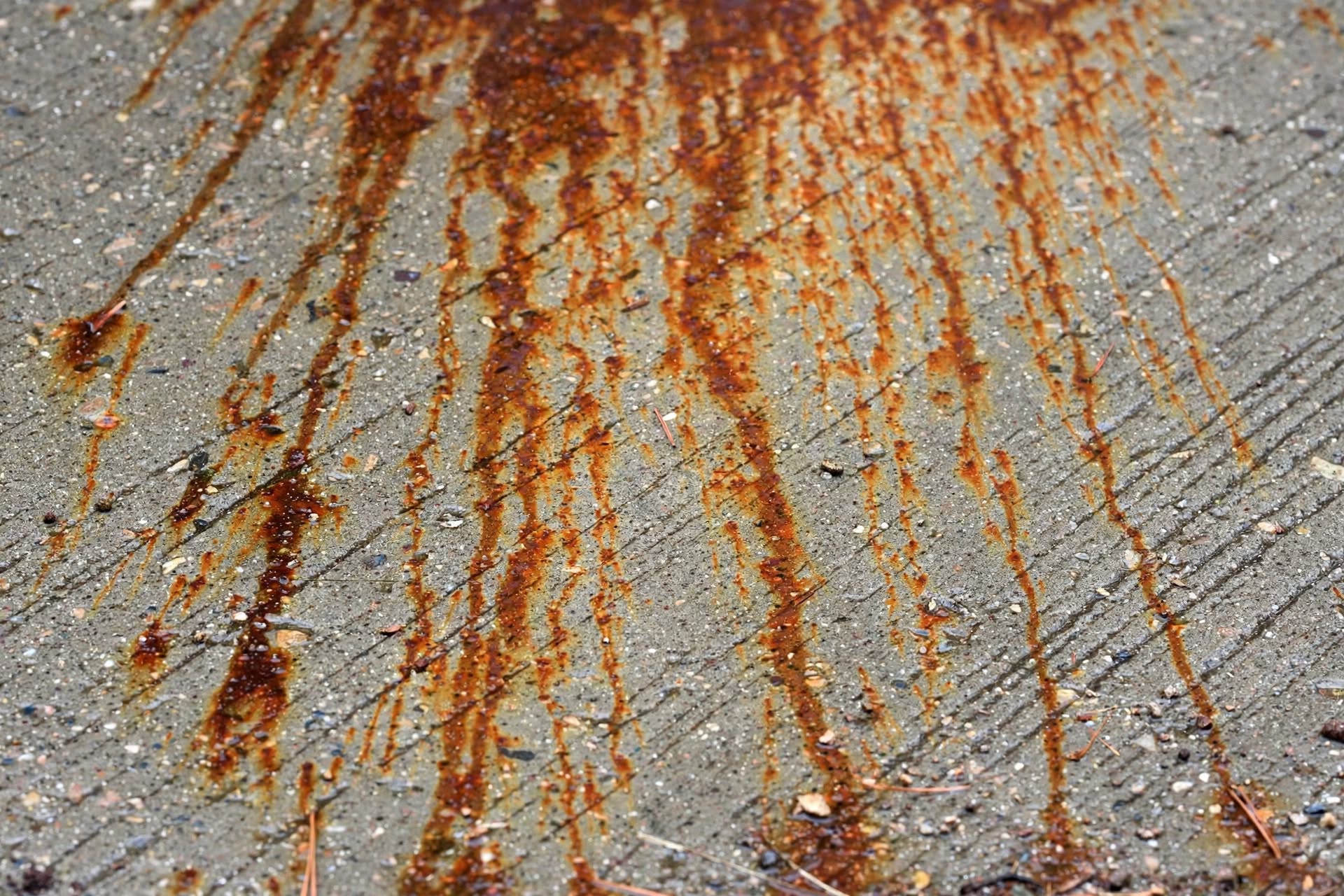
Common areas like breezeways, laundry facilities, and mail areas see constant traffic throughout the day and night. Walkways and stairs collect dirt, mold, and mildew faster because of the volume of use they receive. Parking lots and driveway areas develop oil staining and organic buildup at a pace that reflects the number of vehicles coming and going.
Biological Growth in Shaded Areas
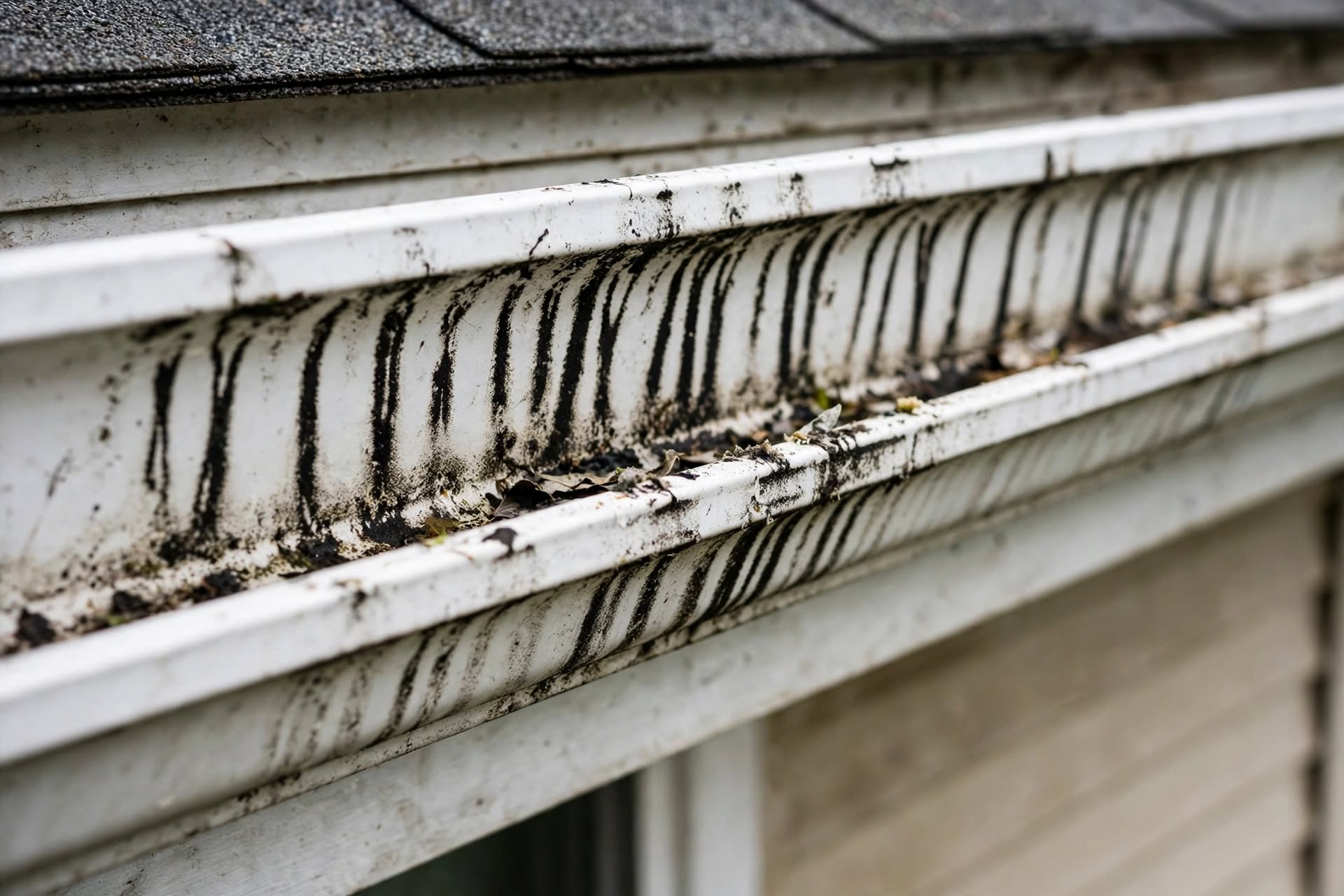
Many apartment properties have covered walkways, breezeways, and stairwells that stay damp and shaded for significant portions of the day. Those conditions are exactly what algae and mildew need to get established on concrete, wood, and painted surfaces. Once that growth takes hold, it spreads and becomes more visible over time.
The concern with biological growth in those high-traffic areas is not just appearance. Algae and mildew on concrete walking surfaces create slip hazards, which is a liability issue for property management. Keeping those surfaces clean is both a maintenance priority and a practical risk management measure.
What a Pressure Washing Maintenance Plan Covers
A maintenance plan for an apartment property is typically structured around the areas that need the most regular attention. Those usually include building exteriors and siding, breezeways and covered walkways, stairs and railings, parking lot surfaces, dumpster pad areas, and pool or recreation areas where applicable.
The plan sets out a schedule for each area based on how quickly it accumulates buildup. High-traffic areas and those prone to biological growth are cleaned more frequently. Building exteriors may be on a semi-annual or annual schedule depending on the property’s exposure and the material of the exterior surfaces.
Dumpster & Trash Areas
Dumpster pad areas are one of the most overlooked parts of apartment property maintenance, and they are the areas that tenants notice most acutely. Grease, organic material, and leakage from trash containers build up quickly in those areas and create odors and staining that spread beyond the immediate pad.
Including dumpster areas in a maintenance plan with a regular cleaning schedule keeps that part of the property from becoming a constant source of complaints. It also reduces the pest attraction that comes with the buildup of food residue in those areas.
How Maintenance Plans Benefit Property Management
The budget management aspect of a maintenance plan is one of the primary reasons property managers prefer it over scheduling individual jobs reactively. When cleaning is scheduled in advance on a contract basis, the costs are predictable and can be planned for in the operating budget. There are no surprise expenses when a building facade suddenly needs attention because it was allowed to reach an advanced stage of deterioration.
There is also a service continuity benefit. A maintenance plan means the cleaning crew is familiar with the property, knows which areas need extra attention, and does not need to spend time assessing the job from scratch each time. That familiarity speeds up the work and produces more consistent results over time.
Tenant Retention & Curb Appeal
Tenants who live on a well-maintained property are more likely to renew their leases. Common area cleanliness is one of the factors that tenants consider when deciding whether to stay or move. A property that stays clean and well-kept over time communicates that management cares about the living environment, which matters to tenants who take pride in where they live.
For properties that are actively leasing units, the exterior appearance matters to prospective tenants who do a drive-by before scheduling a tour. An apartment complex with visibly clean walkways, fresh-looking building exteriors, and clean parking areas projects a level of quality that supports the leasing effort.
Building Materials & Cleaning Approaches
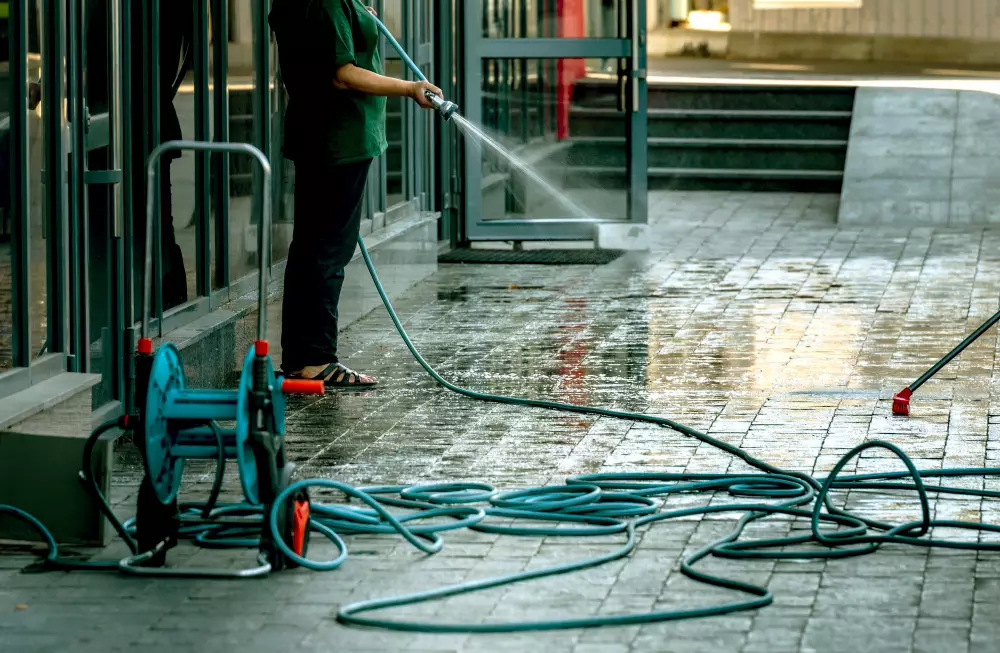
Different parts of an apartment property require different cleaning methods. Concrete surfaces, including parking lots, walkways, and stairs, typically handle high-pressure washing well and benefit from it given how much foot and vehicle traffic they receive.
Siding materials like vinyl, stucco, and wood require lower-pressure soft washing to clean effectively without causing damage. Applying high pressure to those materials can force water behind the siding or damage the surface finish. A professional crew working from a maintenance plan knows the right approach for each surface type and applies it consistently.
Timing Around Tenant Activity
Scheduling pressure washing at a large apartment property requires some coordination with tenant activity. Work on main entry areas, parking surfaces, and high-traffic walkways is best done during lower-traffic periods to minimize disruption. Early morning or midweek scheduling often works well for most properties.
For properties with multiple buildings, staggering the work across sections of the property allows cleaning to proceed without closing off large areas to residents at one time.
Setting Up a Maintenance Plan for an Apartment Property
The starting point for a pressure washing maintenance plan is a walkthrough of the property to identify the surfaces that need attention, the frequency those areas require cleaning, and any specific problem areas that need more focused treatment on the initial visit.
From there, the plan is built around a schedule that fits the property’s needs and budget. Some properties need quarterly cleaning on high-use areas with semi-annual work on building exteriors. Others with less traffic or better protection from the elements can work on a less frequent schedule.
The goal of a pressure washing maintenance plan for an apartment property is a consistently well-maintained exterior that supports tenant satisfaction, protects the property from premature deterioration, and keeps the budget for cleaning predictable from year to year.