Skip to content
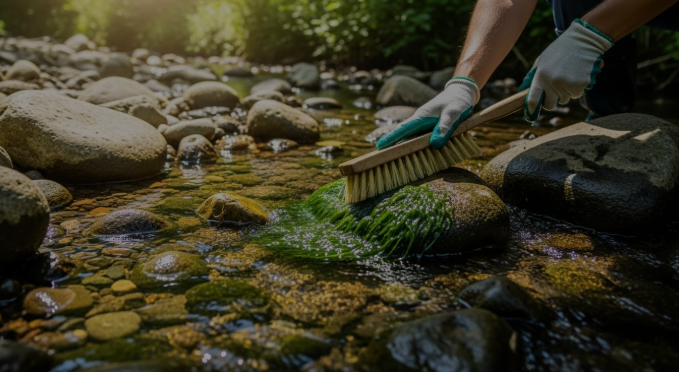
Algae growing on rocks is a common problem for homeowners, gardeners, and pond enthusiasts. Not only does it make surfaces slippery and unsafe, but it can also be unsightly and potentially damaging to the rocks themselves. Just as regular house washing helps maintain the exterior of your home, understanding how to remove algae effectively is essential for maintaining both safety and aesthetics in outdoor spaces. In this comprehensive guide, we’ll explore the causes of algae growth, the best cleaning methods, preventive tips, and expert advice to ensure your rocks stay clean and safe.
Short Answer – How Do You Clean Algae Off Rocks?
Cleaning algae off rocks can be done safely and effectively using several methods. The most common approaches include manual scrubbing with a brush and soapy water, pressure washing, vinegar or bleach solutions, and commercial algae cleaners. Always wear protective gear such as gloves and goggles, and test chemical solutions on a small area first to avoid damaging the rock.
Understanding Algae Growth on Rocks
What Causes Algae to Grow on Rocks?
Algae thrive in environments that provide moisture, sunlight, and nutrients. The main factors contributing to algae growth on rocks include:
- Moisture and Sunlight Exposure: Rocks in damp, shaded areas or near water features are particularly susceptible.
- Stagnant Water Areas: Ponds, pools, or poorly drained areas create the perfect breeding ground for algae.
- Nutrient-Rich Environments: Runoff from fertilizers, soil erosion, or organic debris can accelerate algae proliferation.
Understanding these conditions is critical for effective cleaning and prevention.
Why It’s Important to Remove Algae
Removing algae is more than an aesthetic choice; it’s about safety and rock longevity:
- Slippery Surfaces: Algae make rocks dangerously slick, increasing the risk of falls.
- Aesthetic Concerns: Green or black algae stains can make your garden or pond rocks look neglected.
- Potential Rock Damage: Prolonged algae growth can erode porous rock surfaces over time.
How Do You Clean Algae Off Rocks
Method 1 – Manual Scrubbing
Tools Needed:
- Stiff-bristled brush
- Bucket of water
- Gloves
Steps:
- Wet the rocks to loosen surface debris.
- Scrub the algae in circular motions using a stiff brush.
- Rinse with clean water.
- Repeat for heavily infested areas.
Pros: Safe for all rocks, low cost, environmentally friendly.
Cons: Labor-intensive and time-consuming for large areas.
Method 2 – Pressure Washing
Recommended Pressure: 1,500–2,000 PSI for most garden rocks.
Steps:
- Test a small area to ensure the pressure does not damage the rock.
- Spray at a 45-degree angle to remove algae effectively.
- Keep the nozzle moving to prevent surface erosion.
Pros: Fast and effective for large areas.
Cons: Medium safety risk; can erode soft rocks if misused.
Method 3 – Vinegar or Bleach Solution
Mixing Ratios:
- Vinegar: 1 part vinegar to 1 part water.
- Bleach: 1 part bleach to 10 parts water.
Steps:
- Apply the solution with a brush or sprayer.
- Let it sit for 10–15 minutes.
- Scrub and rinse thoroughly with water.
Safety Precautions: Wear gloves and goggles; avoid contact with plants and pets.
Pros: Highly effective on stubborn algae.
Cons: Can damage plants and some rock surfaces; requires careful handling.
Method 4 – Commercial Algae Cleaners
Recommended Products: Look for algae-specific rock or pond cleaners with low environmental impact.
Steps:
- Follow the manufacturer’s instructions carefully.
- Apply solution evenly.
- Scrub or rinse as directed.
Environmental Considerations: Choose biodegradable options whenever possible.
Preventing Algae Regrowth
- Ensure proper drainage to prevent water pooling.
- Increase sunlight exposure by trimming overhanging plants.
- Establish a regular cleaning schedule to prevent buildup.
Best Methods to Clean Algae Off Rocks
| Method | Effectiveness | Cost | Safety | Environmental Impact | Ease of Use |
|---|---|---|---|---|---|
| Manual Scrubbing | High | Low | High | Low | Medium |
| Pressure Washing | Very High | Medium | Medium | Medium | High |
| Vinegar/Bleach Solution | High | Low | Low | Low/Medium | Medium |
| Commercial Cleaners | High | Medium/High | Medium | Medium | High |
Frequently Asked Questions (FAQs)
Can I use bleach to clean algae off outdoor rocks?
Yes, bleach diluted properly (1:10 ratio) can remove algae effectively, but always wear protective gear and avoid nearby plants.
How often should I clean algae off my rocks?
For most outdoor rocks, cleaning once or twice a year is sufficient. High-moisture areas may require quarterly cleaning.
Is pressure washing safe for all types of rocks?
Pressure washing is safe for hard rocks like granite or slate, but soft rocks like sandstone can be damaged. Always test a small area first.
Can algae damage rocks permanently?
Prolonged algae growth can erode porous rocks over time, especially if combined with moisture and acidic runoff.
Are there eco-friendly ways to remove algae?
Yes, manual scrubbing and vinegar solutions are both environmentally friendly. Choose biodegradable commercial cleaners when possible.
Why does algae keep coming back even after cleaning?
Persistent moisture, shade, and nutrient-rich runoff can encourage regrowth. Preventive measures like drainage and sunlight exposure are key.
Can I use household vinegar safely on garden rocks?
Yes, vinegar is safe for most rocks and effective against algae. Avoid contact with plants as it can damage foliage.
Is there a way to prevent algae naturally?
Regular cleaning, improved sunlight, proper drainage, and reducing nutrient runoff are natural ways to prevent algae growth.
Safety Considerations When Cleaning Algae
- Always wear gloves, goggles, and appropriate footwear.
- Handle chemicals with care and follow label instructions.
- Protect nearby plants and pets from exposure.
- Be cautious of slippery surfaces during cleaning.
Conclusion – How Do You Clean Algae Off Rocks Effectively
Cleaning algae off rocks requires a combination of effective methods, safety precautions, and preventive care. Manual scrubbing, pressure washing, vinegar or bleach solutions, and commercial cleaners all have their place depending on your rock type and environment. Prioritize safety, environmental considerations, and regular maintenance to ensure your rocks remain clean, safe, and visually appealing. Choose the method that best fits your situation and keep algae at bay for years to come. Contact Stegmeier Pressure Washing now for proper cleaning!