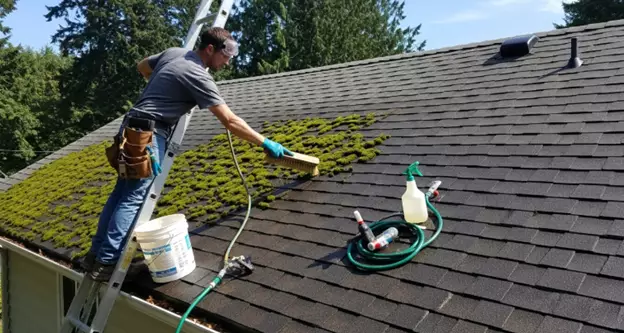
Moss growth on your roof isn’t just an eyesore, it can lead to serious damage if left untreated. Many homeowners ask, “how to remove moss from roof?” The good news is that with the right approach, tools, and preventive measures, you can safely restore your roof and prevent moss from coming back. In this guide, we’ll cover everything from causes and risks to step-by-step removal methods, comparisons, causes and long-term prevention strategies.
Short Answer – How to Remove Moss From Roof Quickly and Safely
If you’re looking for a quick solution, here’s the safe, actionable approach to remove moss from your roof:
- Prioritize Safety: Use a sturdy ladder, shoes with a good grip, and consider a safety harness if your roof is steep.
- Remove Loose Moss: Gently brush off moss using a soft-bristle brush, broom, or even a leaf blower. Always work top-down to avoid lifting shingles.
- Apply Cleaning Solution: Mix oxygen bleach or sodium hypochlorite with water (typically 50/50) and spray over remaining moss. Let it sit for 15–20 minutes.
- Rinse Carefully: Use a low-pressure hose to rinse without damaging shingles.
- Prevent Future Growth: Install zinc or copper strips along the roof ridge, trim overhanging trees, and keep gutters clean.
This method provides fast results without risking roof damage, keeping your shingles intact and moss-free.
Understanding Roof Moss – Causes and Risks
What Causes Moss to Grow on Roofs?
Moss thrives in moist, shaded areas. Common contributors include:
- Overhanging tree branches that block sunlight
- Poor roof ventilation leading to damp surfaces
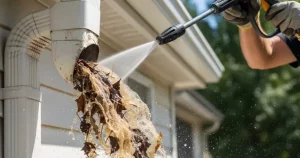
- Accumulation of leaves, twigs, and organic debris
- North-facing roof sections that receive less sun
Understanding these causes helps in both removal and prevention.
Why You Should Remove Moss
Moss isn’t just cosmetic it can compromise your roof:
- Shingle Damage: Moss retains moisture, causing shingles to warp or deteriorate.
- Leaks and Water Damage: Trapped moisture can seep under shingles, leading to leaks.
- Reduced Roof Lifespan: Persistent moss accelerates wear, forcing premature roof replacement.
- Aesthetic Concerns: Moss-covered roofs look unkempt, affecting curb appeal.
Early intervention prevents both structural and financial issues.
Safe and Effective Methods – How to Remove Moss From Roof
Manual Removal Methods
Manual removal is the safest way to protect shingles:
- Use a soft-bristle brush or broom to scrub moss gently.
- Work top-down to avoid lifting shingles.
- A leaf blower can help remove loose moss without touching the roof.
Pro tip: Avoid scraping with metal tools, which can damage shingles.
Chemical Treatments
For stubborn moss, chemical treatments are effective:
- Mix oxygen bleach or sodium hypochlorite with water (50/50 ratio).
- Spray the solution evenly over moss-covered areas.
- Allow 15–20 minutes for the solution to kill spores.
- Rinse carefully with a low-pressure hose.
Alternative eco-friendly options include vinegar solutions or laundry detergent mixtures, which are safer for nearby plants.
Commercial Cleaners
Products like Wet & Forget and moss-specific sprays simplify the process:
- Easy to apply with a pump sprayer
- Less labor-intensive
- Ideal for medium moss coverage or preventative treatments
Considerations: They can be more expensive and may require multiple applications for heavy infestations.
Methods to Avoid
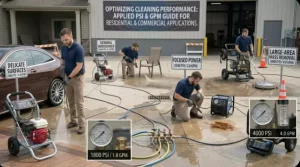
- Pressure washing: Can lift or damage shingles, creating leaks.
- Harsh chemicals: Can harm plants, gutters, or surrounding soil.
Safe methods maintain roof integrity and extend its lifespan.
Step-by-Step Guide: How to Remove Moss From Roof
- Inspect the Roof: Check for moss coverage, loose shingles, and safety hazards.
- Clear Debris: Remove leaves, twigs, and other organic matter.
- Apply Cleaning Solution: Use a 50/50 mixture of bleach or oxygen bleach and water. Spray generously over affected areas.
- Gently Scrub: Use a soft-bristle brush to loosen remaining moss.
- Rinse Carefully: Use a low-pressure hose or gentle watering can. Avoid strong jets.
- Prevent Future Growth: Install zinc or copper strips, trim overhanging trees, and maintain clean gutters.
Following these steps ensures a thorough, safe, and long-lasting solution.
Comparison of Moss Removal Methods
| Method | Pros | Cons | Best Use Case |
| Manual Brushing | Safe for shingles, eco-friendly | Labor-intensive | Small to medium moss patches |
| Bleach/Oxygen Bleach | Effective at killing spores | Chemical handling required | Larger infestations |
| Commercial Cleaners | Convenient, easy application | More expensive | Preventative or medium moss |
| Pressure Washing | Fast for heavy moss | Can damage roof shingles | Not recommended |
This table helps homeowners select the best approach based on coverage, safety, and effort.
Preventing Moss on Your Roof
Install Metal Strips (Zinc or Copper)
Metal strips at the roof ridge release particles during rain, which prevent moss from growing.
Trim Overhanging Trees
Allow more sunlight to reach the roof and reduce debris accumulation that retains moisture.
Clean Roof and Gutters Regularly
Leaves, twigs, and moss spores thrive in stagnant moisture. Regular cleaning minimizes moss growth.
Improve Roof Drainage
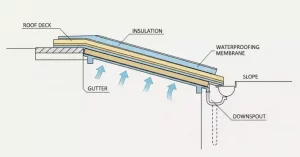
Ensure proper water runoff to prevent standing water, which encourages moss. Gutters, downspouts, and sloped surfaces should be maintained annually.
FAQs – How to Remove Moss From Roof
- Is it safe to scrape moss off the roof?
Manual scraping can damage shingles. Use a soft-bristle brush instead. - Can bleach damage shingles?
When diluted (50/50 with water) and rinsed carefully, bleach is safe for most asphalt shingles. - How often should I remove moss?
Inspect annually and treat as needed. High-moisture regions may require biannual maintenance. - Can moss grow back after treatment?
Yes, without preventive measures like zinc strips or regular cleaning, moss can return. - What is the fastest way to remove moss?
Manual brushing followed by chemical treatment is the safest and fastest effective method. - Are there eco-friendly moss removal solutions?
Yes, oxygen bleach or vinegar solutions are plant-safe alternatives. - Can moss cause leaks?
Persistent moss retains water and can lift shingles, leading to leaks and roof damage. - Should I hire a professional for moss removal?
For steep roofs or heavy infestations, professionals ensure safe removal and proper preventive measures.
Conclusion
Knowing how to remove moss from roof is essential for homeowners. Manual brushing, chemical treatments, and commercial cleaners all work effectively when applied safely. Prevention through metal strips, tree trimming, and regular maintenance ensures long-term moss control. Always prioritize safety and take preventive action to maintain the roof’s integrity and lifespan. A moss-free roof isn’t just visually appealing, it protects your home and investment.