Homeowners use “pressure washing” and “power washing” as if they mean the same thing, and most of the time the difference will not change your quote. But there is a real technical difference, and knowing it helps you understand why a good crew will not blast every surface of your home at full pressure.
The Short Answer
Both methods spray water at high pressure. Power washing uses heated water; pressure washing uses unheated water. That is the whole technical difference. Hot water cuts grease and oil faster, which is why power washing is common on restaurant pads, gas stations, and heavy equipment.
Side-by-Side Comparison
| Pressure Washing | Power Washing | Soft Washing | |
|---|---|---|---|
| Water temperature | Unheated | Heated | Unheated |
| Pressure | High | High | Low (about garden-hose level) |
| How it cleans | Force of the water | Force plus heat | Cleaning solution that kills growth, then a gentle rinse |
| Best for | Concrete driveways, sidewalks, patios | Heavy grease and oil on commercial concrete | Siding, stucco, brick, stone, roofs |
Where Each Method Belongs on a Home
Concrete: pressure washing
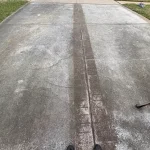
Driveways, sidewalks, and pool decks hold up to high pressure. The goal is even, stripe-free results, with extra treatment for stubborn stains. See driveway cleaning and patio cleaning.
Siding, brick, stone, and roofs: soft washing
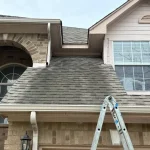
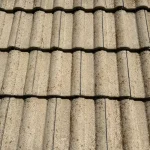
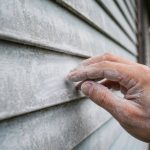
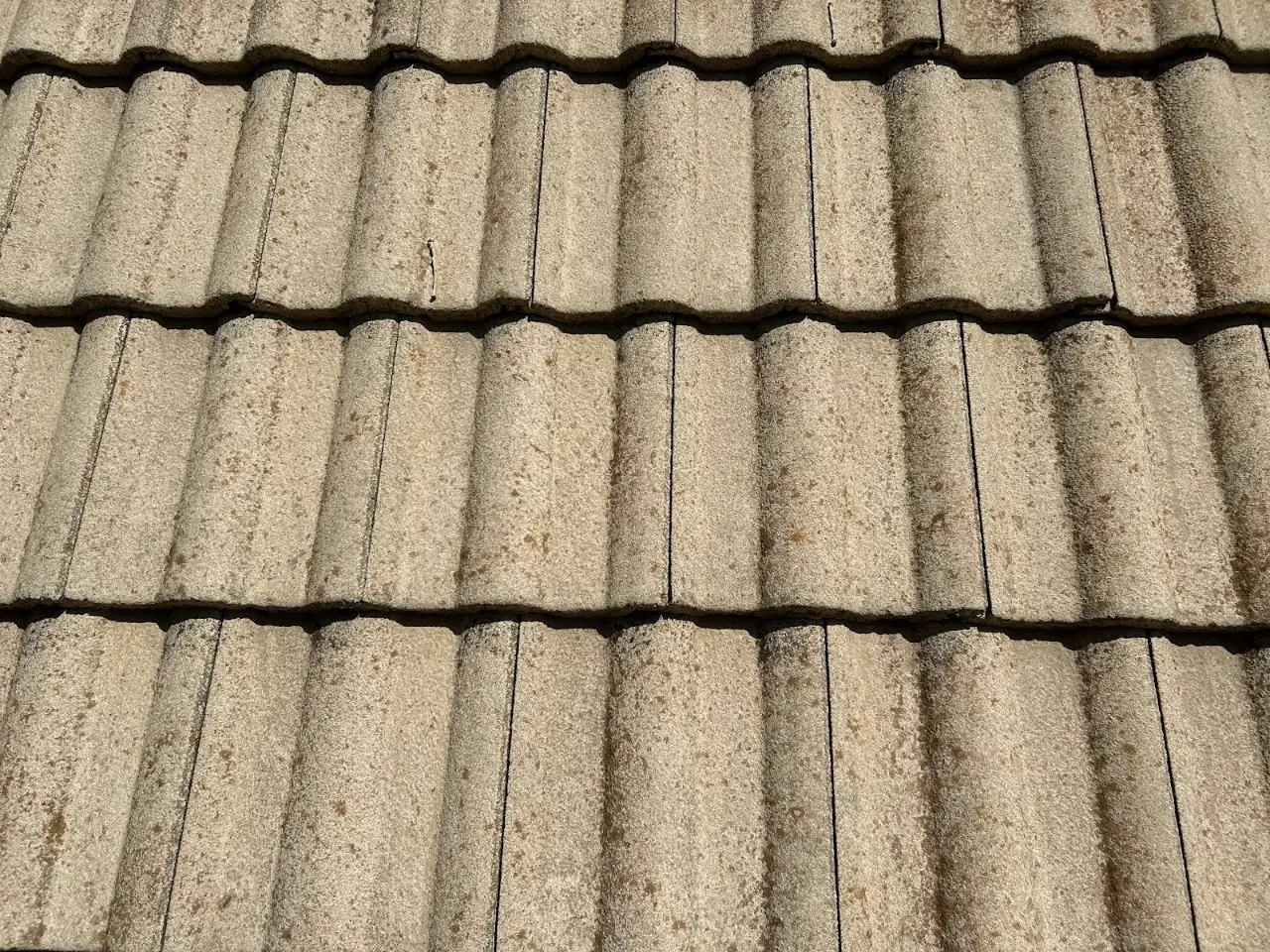
This is where the “power washing vs. pressure washing” debate misses the point. High pressure, heated or not, can strip paint, etch stone, force water behind siding, and knock granules off shingles. The black streaks and green film on North Texas homes are living mold, mildew, and algae, so the fix is killing them, not blasting them. That is what soft washing does. We use it for house washing, roof washing, and stone and brick cleaning.
Commercial grease: power washing territory
Dumpster pads and drive-throughs with baked-in grease are where heat earns its keep. For storefronts, HOA amenities, and apartment buildings, see commercial and HOA pressure washing.
Which One Should You Ask For?
Do not worry about the term. Tell us what you want cleaned and we will match the method to the surface. A crew that pressure washes everything, including your siding and roof, is the one to avoid.
What It Costs in Arlington
Typical ranges for our area: house washing $250 to $550, roof washing $300 to $600, driveway cleaning $150 to $300, and gutter cleaning $125 to $275. Our full breakdown is in the pressure washing cost guide, and you can save with our package deals.
Related Reading
- Soft wash vs. pressure wash: which does your home need?
- How often should you pressure wash your house in Texas?
- Pressure washing FAQ
Ready for a quote? Call 817-580-9881 or request a free estimate online. We serve Arlington, Fort Worth, Dallas, Grand Prairie, Mansfield, and the rest of our DFW service areas.
FAQs
Is power washing the same as pressure washing?
Not exactly. Both use high-pressure water, but power washing uses heated water and pressure washing does not. Heat helps with grease and oil.
Is power washing better than pressure washing?
Only for heavy grease and oil, usually on commercial concrete. For most home driveways and sidewalks, unheated pressure washing works well.
Should I power wash my house siding?
No. Siding, stucco, brick, and roofs should be soft washed with low pressure and a cleaning solution so they are cleaned without damage.